Mesh Vs Leather Office Chair: Which Is Better?
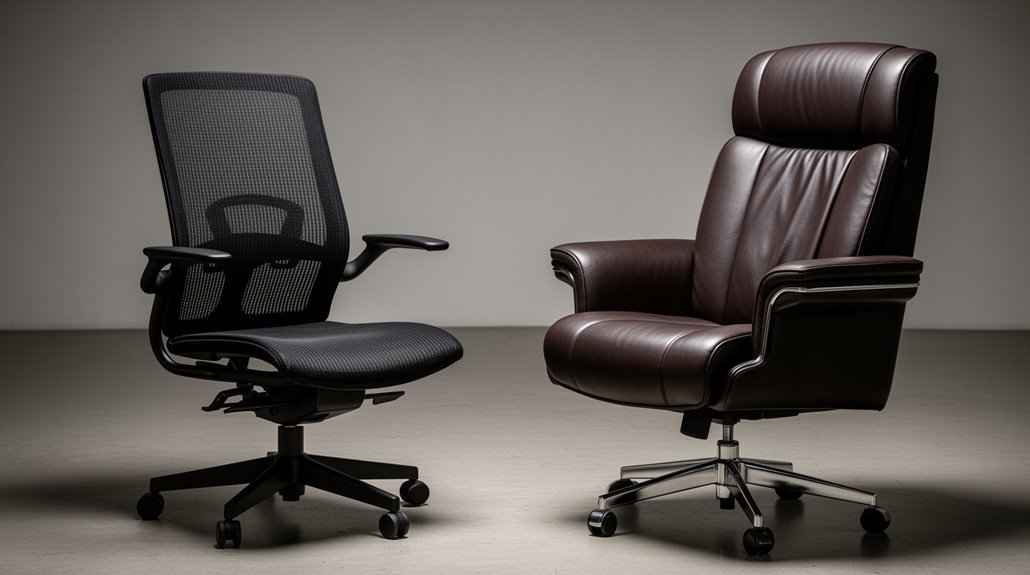
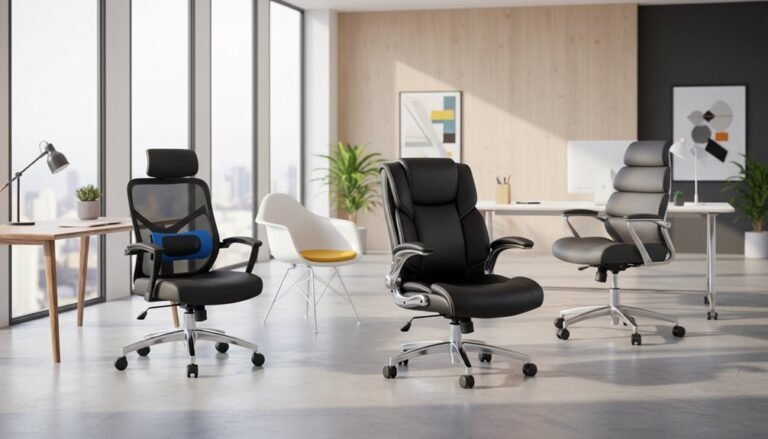
Mesh vs leather office chair choices hinge on breathability and comfort. Mesh chairs excel at airflow, reducing heat buildup during long periods of sitting, while leather chairs provide a more cushioned, plush feel but tend to retain heat.
In terms of durability, leather generally outlasts mesh, with leather chairs often lasting 8–10 years versus about 5–8 years for mesh. Maintenance differs as well: mesh needs regular dusting to stay clean, whereas leather requires periodic conditioning to prevent cracking.
Consider whether you prioritize airflow and cooling or plush comfort and longevity; weighing those preferences will help you decide which option fits your needs.
Breathability and Thermal Comfort
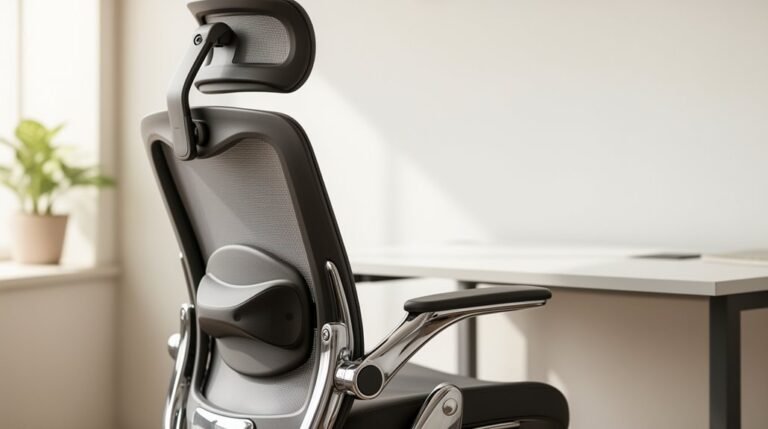
When considering breathability, mesh chairs outperform leather due to their open-weave design. The larger surface area of mesh allows for superior airflow compared to solid materials. This design promotes unrestricted air circulation, helping your skin breathe during long sitting sessions.
Textilene mesh fabric enhances airflow while providing firm support and flexibility. Unlike leather, which retains heat, mesh prevents heat accumulation, leading to a cooler seating experience. This airflow capability is especially beneficial in warmer climates or poorly ventilated environments. Additionally, properly designed chairs promote better posture, which is crucial for maintaining comfort during long hours of use.
With enhanced ventilation, mesh chairs regulate body temperature effectively, reducing sweat absorption. In contrast, leather chairs struggle with heat retention, resulting in discomfort during extended use. Consequently, mesh chairs provide a significant advantage regarding breathability and thermal comfort.
Durability and Longevity
Although both mesh and leather chairs offer distinct advantages, their durability and longevity differ considerably.
Mesh chairs typically last 5-8 years under normal use. They may sag or wear out faster, especially low-quality options. Proper material choice is essential to ensure that users do not experience discomfort or strain over time.
In contrast, leather chairs often endure 8-10 years, with some lasting decades when properly maintained. Genuine leather resists punctures and spills better than mesh, showcasing superior sturdiness. High-density leather can withstand heavy use without visible wear.
Although mesh requires less maintenance, leather needs regular conditioning to prevent cracking.
Comfort and Support Characteristics
The comfort and support characteristics of mesh and leather office chairs markedly influence user experience during prolonged sitting.
Mesh chairs excel in breathability due to their open-weave structure, promoting airflow that keeps you cool and dry. The material adapts to your body’s movements, offering adjustable lumbar support for proper posture, which reduces lower back strain. Additionally, excellent airflow from mesh helps prevent heat buildup, making them ideal for long hours of use.
In contrast, leather chairs provide a plush, cushioned feel with thick foam padding, delivering a luxurious seating experience. However, they may retain heat, leading to discomfort over time.
While leather chairs rely on foam quality for support, mesh chairs offer consistent firmness and flexibility. Your choice will depend on whether you prioritize airflow and posture or prefer a traditional, cushioned seat.
Maintenance Requirements
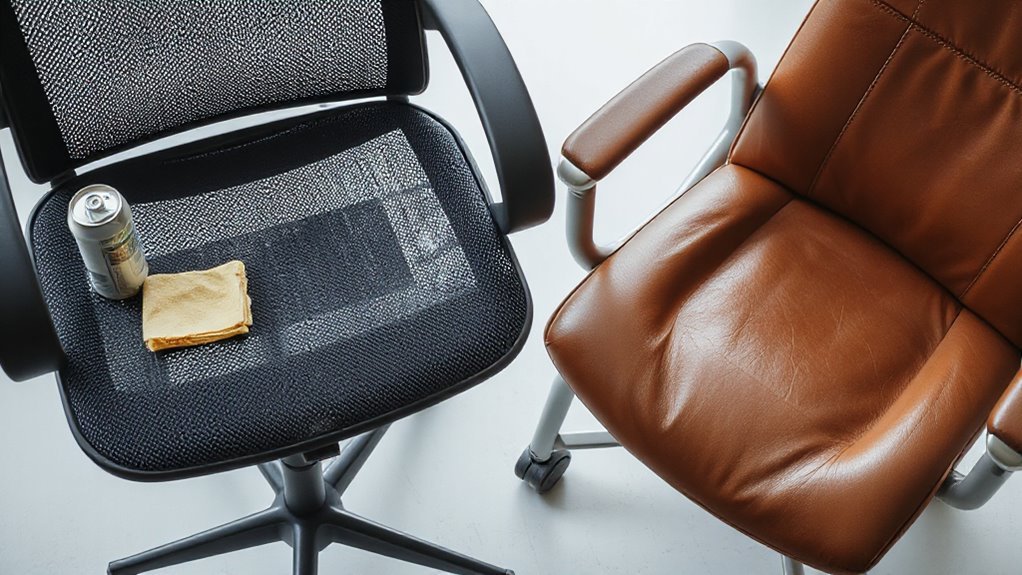
To guarantee peak performance and longevity, regular maintenance for both mesh and leather office chairs is essential.
Mesh chairs require weekly dusting or wiping to prevent dust buildup, while deep cleaning is recommended every six months for average use. Clean mesh with a damp cloth and mild soap, and consider vacuuming with a soft brush attachment.
Leather chairs need similar attention; wipe them with a damp microfiber cloth weekly and deep clean every three to six months. Spot clean spills on both materials.
Use microfiber cloths and soft-bristle brushes for effective cleaning. Avoid abrasive materials or harsh chemicals on either type.
Regularly check for worn parts and keep chairs away from direct sunlight to enhance durability.
Cost and Affordability
When considering office chairs, you’ll find that mesh options generally offer a more budget-friendly choice compared to leather alternatives. Entry-level mesh chairs start at $50–$100, while mid-range models cost between $200 and $500. High-end mesh chairs can reach $600–$800, but they still remain below most leather prices.
In contrast, entry-level leather chairs begin around $300–$400, and premium options can exceed $1,000. Factors driving mesh affordability include lower production costs and widespread availability. Leather chairs, made from scarce materials, involve higher craftsmanship and assembly costs.
While mesh chairs are economical for short-term needs, leather chairs may provide a longer lifespan, making them a better investment for those prioritizing durability over initial cost.
Environmental and Aesthetic Considerations
While both mesh and leather office chairs serve distinct purposes in workplace settings, their environmental impacts and aesthetic qualities differ markedly.
Mesh chairs typically use less material and involve fewer production processes, making them more sustainable. They often feature recyclable components, reducing landfill waste. In contrast, leather chairs require significant resources and can produce harmful pollutants during tanning.
Environmental and Aesthetic Considerations:
- Mesh chairs offer a modern, minimalist look, fitting contemporary offices.
- Leather chairs provide a classic, sophisticated appearance, ideal for formal settings.
- Mesh materials are often recyclable, while leather disposal poses challenges.
- The lightweight design of mesh chairs promotes easy reconfiguration in workspaces.
Choosing the right chair involves weighing these environmental and aesthetic factors.
Final Thoughts on Choosing the Right Chair
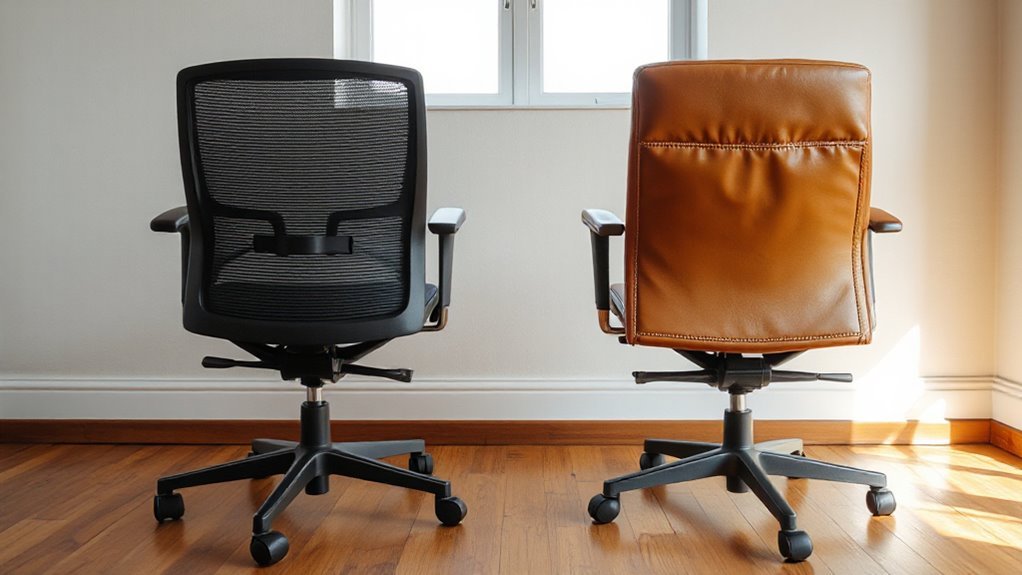
Choosing the right office chair involves careful consideration of various factors, including budget, lifespan, maintenance, material quality, and performance in different environments.
Mesh chairs usually offer a lower initial investment, ranging from $150 to mid-range prices, ideal for start-ups. However, they may require replacement every 2-3 years if low-quality.
Leather chairs, while pricier, provide a longer lifespan of 8-10 years or more with proper care. They also offer superior durability and require diligent maintenance.
In warm climates, mesh chairs excel in breathability, while leather chairs maintain a professional appearance in executive settings.
Ultimately, assess your specific needs, budget, and office environment to make an informed decision that balances cost and longevity.
Frequently Asked Questions
Can Mesh Chairs Support Heavier Body Weights Effectively?
Yes, mesh chairs can effectively support heavier body weights.
Standard models typically hold up to 250 lbs, while heavy-duty options range from 300 to 500 lbs. These chairs feature reinforced components like casters and bases for durability.
Thick cushioning (4-6 inches) prevents bottoming out, ensuring comfort. Additionally, mesh construction promotes airflow, reducing heat buildup during extended use.
Are Leather Office Chairs Suitable for People With Allergies?
Leather office chairs can be suitable for individuals with allergies, as they generally don’t attract dust mites.
However, some people may experience allergic reactions due to chemicals in tanned leather, particularly chromium or dimethyl fumarate. Symptoms can include redness and itching.
If you’re sensitive, consider patch testing with an allergist for accurate diagnosis.
For most, leather chairs provide a hypoallergenic option, minimizing allergen retention compared to fabric alternatives.
How Do Mesh and Leather Chairs Affect Posture Differently?
Posture Support Differences
Mesh chairs adapt to your movements, offering flexible support that maintains proper spinal alignment. Their breathable design enhances air circulation, preventing heat discomfort.
Conversely, leather chairs provide firmer, cushioned support, promoting a consistent seating position. High-density foam in leather chairs retains shape longer, while low-density foam can lead to slouching.
Both require adjustable features for ideal posture, but mesh materials generally offer better long-term support and adaptability for individual spinal curves.
Do Mesh Chairs Create Noise When Adjusting Positions?
Yes, mesh chairs can create noise when you adjust positions. Loose bolts or screws at connection points often cause creaks.
The gas lift cylinder might squeak during height adjustments, especially if worn.
Casters may generate noise when rolling over uneven surfaces or dirt.
Regular maintenance, like tightening screws and lubricating joints, can minimize these sounds, enhancing your experience while ensuring the chair functions smoothly and quietly.
Can Leather Chairs Be Customized in Terms of Color and Design?
Yes, leather chairs can be customized in color and design.
You can choose from over 150 color options, including neutrals and custom shades. Manufacturers offer various leather finishes, such as matte and glossy.
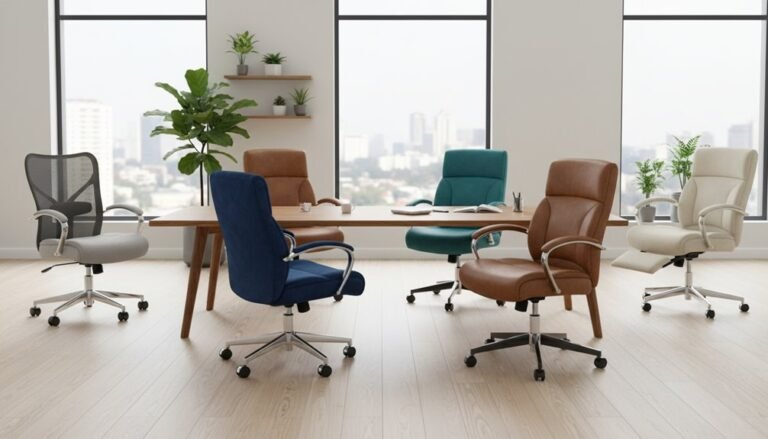
Design features can include high-back styles, integrated footrests, and adjustable lumbar support. Additionally, options like custom embroidery and nail trims allow you to tailor the chair to your office decor, ensuring both aesthetics and functionality meet your needs.
Conclusion
In conclusion, choosing between a mesh or leather office chair hinges on your specific needs.
Mesh offers superior breathability, making it ideal for warmer environments. It’s often lighter and easier to clean.
Leather provides a classic, professional aesthetic that can enhance office decor. It also tends to resist wear longer.
Evaluate your budget and maintenance preferences. Ultimately, the right chair aligns with your comfort, style, and functional requirements, helping ensure maximum productivity in your workspace.