Ergonomic Accessories: Worth Having or Gimmicks?
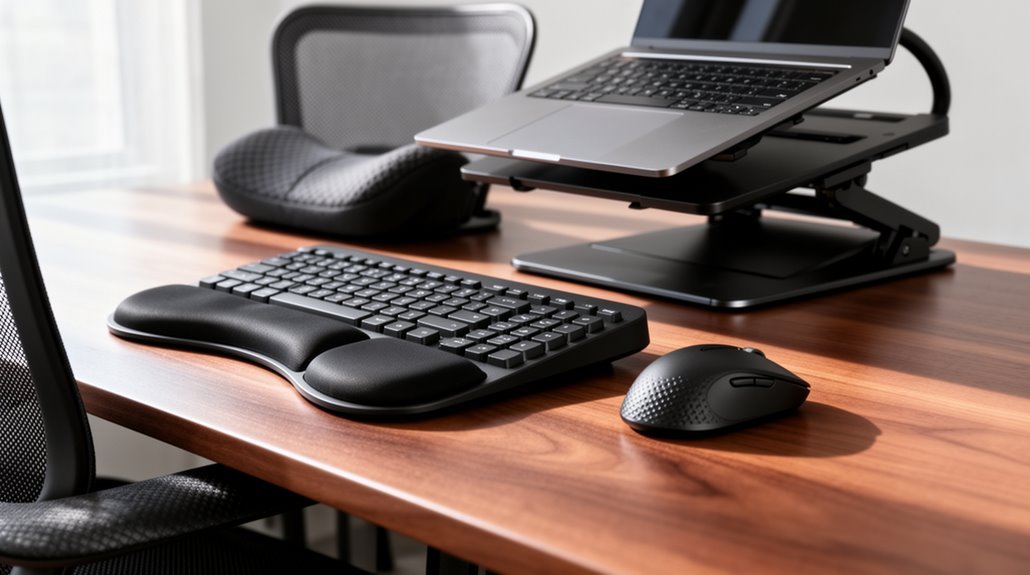
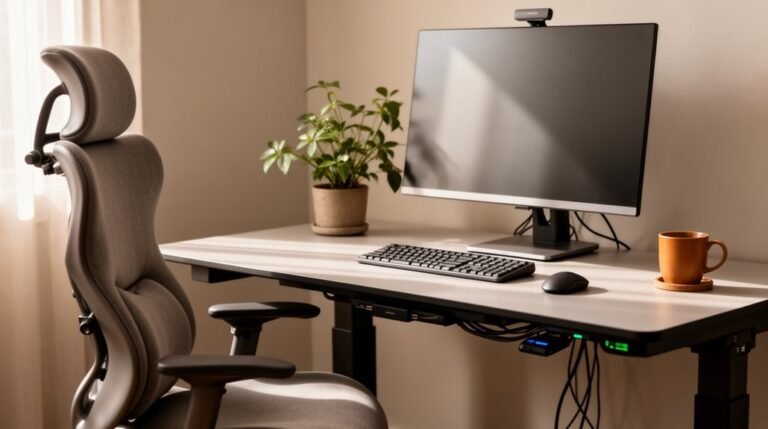
Ergonomic accessories aren’t gimmicks; they’re purposeful tools designed to improve comfort and productivity. Adjustable chairs support your back, while standing desk converters let you shift positions easily to reduce back strain.
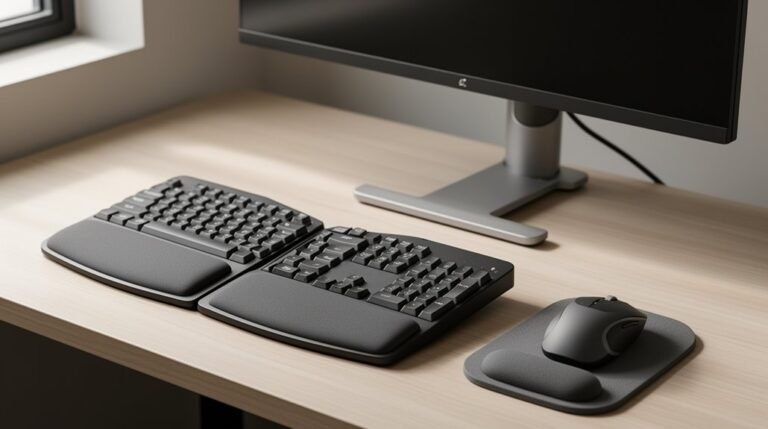
Ergonomic keyboards help maintain a neutral wrist position, decreasing the risk of repetitive strain injuries. These accessories can provide cost-effective benefits: reduced musculoskeletal disorders by around 50% and productivity gains of up to 40%.
Investing in ergonomic accessories can pay off long-term. Keep exploring options to find the right solutions to improve your workspace even further.
Understanding Ergonomics: The Science Behind Comfort
Ergonomics, the science of designing workspaces for ideal human use, focuses on enhancing comfort and productivity. This discipline optimizes interactions between people and their work systems, integrating knowledge from anatomy, physiology, and cognitive psychology. Ergonomics studies people in their workplace, focusing on designing or rearranging environments for optimal fit.
You’ll find ergonomic principles applied in various domains, including physical, cognitive, and organizational aspects. For instance, biomechanics studies body movements, helping you maintain natural posture and reduce stress on joints.
Anthropometry provides essential data on human body sizes, ensuring tools and workstations accommodate diverse users. By identifying risk factors—such as awkward postures and repetitive motions—ergonomics aims to minimize musculoskeletal disorders.
Ultimately, ergonomics balances efficiency and quality while enhancing safety and overall well-being in work environments.
Popular Ergonomic Accessories and Their Benefits
When you’re looking to enhance your workspace, popular ergonomic accessories offer practical solutions that cater to your needs.
Ergonomic Chairs provide lumbar support and adjustable features, promoting better posture and reducing back pain. They can be tailored for personal comfort, ensuring proper spinal alignment and supporting the spine.
Standing Desk Converters allow for easy shifts between sitting and standing, burning more calories and reducing lower back pain by up to 54%.
Ergonomic Keyboards help reduce wrist strain, promoting natural arm positions. They often come with customizable layouts for enhanced productivity.
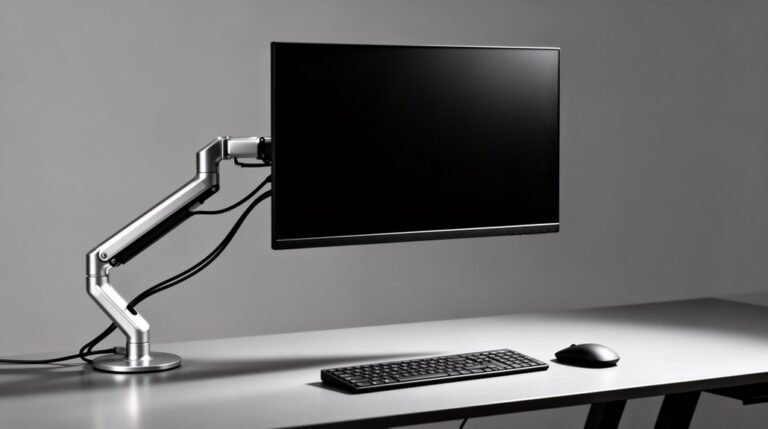
Monitor Arms position screens at eye level, decreasing neck strain and improving posture.
Footrests enhance circulation and support proper posture, while Wrist Rests offer cushioning during typing.
Each accessory focuses on long-term well-being in the workspace.
Evaluating the Effectiveness of Ergonomic Products
Evaluating the effectiveness of ergonomic products requires a systematic approach that includes evaluating their impact on musculoskeletal disorders (MSDs), productivity, and overall well-being.
Ergonomic accessories promote neutral wrist positions, decreasing strain on wrists and hands, and reducing the risks of carpal tunnel syndrome and tendinitis. Adjustable tools optimize alignment, preventing repetitive strain injuries (RSIs). Furthermore, ergonomic accessories minimize strain on wrists and hands by promoting a neutral wrist position, which is essential for long-term health.
Studies show ergonomic interventions, like loupes and adjustable lighting, improve posture and reduce symptoms in professions such as dentistry. In addition, workplaces implementing ergonomic solutions report 17.5% to 40% increases in productivity.
Employees experience enhanced mental clarity and reduced stress, leading to improved job satisfaction. However, effectiveness depends on proper assessment, customization, and consistent use of ergonomic accessories tailored to individual needs.
Cost vs. Benefits: Is It Worth the Investment?
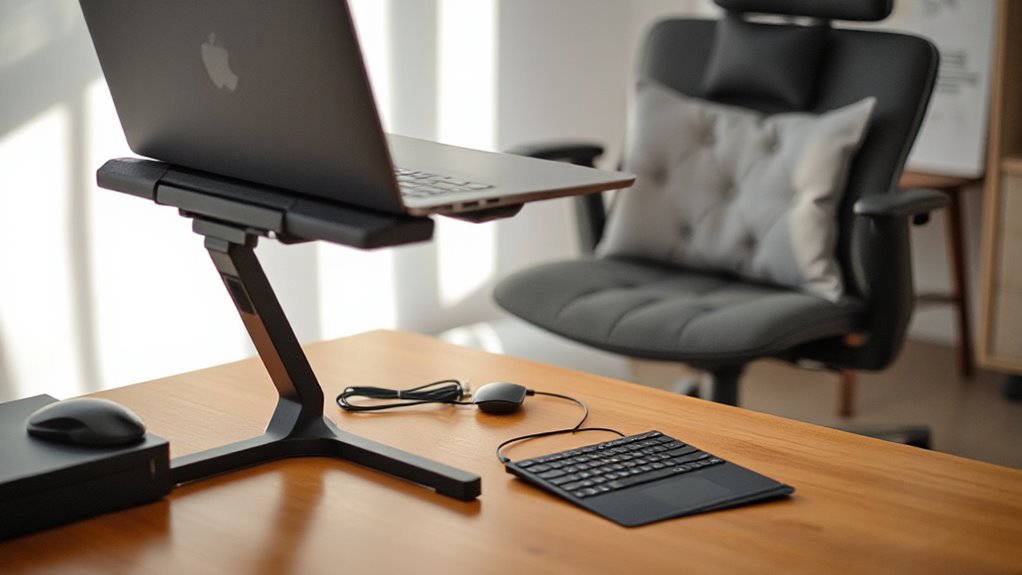
Determining whether ergonomic accessories are worth the investment involves analyzing both costs and benefits.
Investing in ergonomic programs can yield significant returns. For example, a $50,000 investment might return between $300,000 and $935,000. Office ergonomic interventions show a cost-benefit ratio of 1:1.8, meaning a $500 chair can return about $890. Highly adjustable chairs with training achieve an impressive ratio of 1:22.
Implementing ergonomic solutions reduces musculoskeletal disorders by 50%, cuts lost time days by 65%, and lowers workers’ compensation claims by 44%. Productivity often increases by 25%, generating considerable labor cost savings.
With proper planning, you can forecast anticipated benefits using free online calculators, ensuring that ergonomic investments are financially sound and beneficial for your workplace.
Real-Life Success Stories: Companies That Benefited
Numerous companies have successfully integrated ergonomic solutions, showcasing tangible benefits across various industries.
For instance, Fujikura Ltd. implemented WorkFit™ Sit-Stand Solutions, increasing employee productivity by 18% while reducing mental fatigue and physical discomfort.
Catholic Children’s Hospital upgraded to StyleView® 42 Medical Carts, enhancing patient documentation efficiency and minimizing worker injuries.
ErgoQuest’s Zero Gravity Chair enabled users with spinal conditions to work longer hours without pain.
Uncaged Ergonomics provided adjustable stands for wheelchair users, considerably reducing physical pain.
In the automotive industry, electric height-adjustable workstations improved efficiency and employee well-being, accommodating diverse body types.
These examples highlight how ergonomic accessories not only boost productivity but also enhance overall health outcomes in the workplace.
Tips for Choosing the Right Ergonomic Accessories
Choosing the right ergonomic accessories is a strategic process that can greatly enhance workplace comfort and productivity. Start by evaluating individual user characteristics, such as body size and handedness, to determine ideal accessory types.
Analyze specific work tasks; for example, document holders assist data entry by reducing neck flexion. Consider physical workspace constraints, including available space and furniture arrangement, to guarantee compatibility.
Prioritize foundational accessories like ergonomic chairs, monitor arms, and keyboards, as these address key posture issues. Finally, research product features thoroughly; not all “ergonomically” labeled items provide benefits.
Consulting an ergonomics specialist can further refine your choices, ensuring accessories meet both personal and occupational needs effectively.
Frequently Asked Questions
How Do I Know Which Ergonomic Accessories Suit My Needs?
To determine which ergonomic accessories suit your needs, assess your job’s physical demands.
For office work, consider adjustable desks, ergonomic chairs, and specialized keyboards. If you stand for long periods, anti-fatigue mats are essential.
Identify any physical symptoms, like back or wrist pain, and choose accessories targeting those areas.
Evaluate evidence-based effectiveness by reviewing studies on pain reduction and comfort improvement linked to specific ergonomic products.
Tailor selections to your environment and tasks.
Can I Use Ergonomic Accessories With Existing Furniture?
Yes, you can use ergonomic accessories with existing furniture.
Monitor arms fit most desks due to universal VESA mounts, elevating screens to eye level.
Keyboard trays adjust height and angle, improving wrist posture.
Cable management tools clamp onto desks, reducing clutter.
Footrests enhance leg positioning, especially for non-adjustable desks.
Always check compatibility specifications before purchase, ensuring safe installation.
This integration allows you to enhance comfort without replacing your current furniture setup.
Are There Specific Ergonomic Accessories for Different Professions?
You’ll find various ergonomic accessories tailored to specific professions.
Healthcare professionals benefit from dynamic seating stools and adjustable examination tables.
Manufacturing workers use ergonomic hand tools with cushioned grips to minimize strain.
Remote workers often prefer height-adjustable desks and monitor arms to optimize posture.
Each accessory targets common issues in that field, enhancing comfort and reducing injury risk, ensuring you work efficiently and safely in your environment.
How Often Should I Replace My Ergonomic Accessories?
Replacement Frequency
You should replace your ergonomic accessories based on wear, functionality, and comfort. High-quality chairs last 7 to 10 years, while heavy use may shorten that to 5 to 7 years.
Replace accessories showing signs of deterioration, like frayed fabric or mechanical issues. If you experience persistent discomfort or instability, reassess their effectiveness.
Regular maintenance prolongs usability, but don’t hesitate to update them as your needs evolve or your workspace changes.
Do Ergonomic Accessories Have Any Warranties or Guarantees?
Yes, ergonomic accessories often come with warranties or guarantees.
Warranty durations vary, typically ranging from 90 days to 12 years, depending on the manufacturer and product type.
Most warranties cover defects in materials and workmanship but exclude wear and tear.
Some accessories, like cushions or decorative items, may not be included.
Always check the specific warranty details and keep your proof of purchase to guarantee eligibility for claims or replacements.
Conclusion
In evaluating ergonomic accessories, consider their role in enhancing comfort and productivity. These tools, designed with features like adjustable heights and support structures, can reduce strain and improve posture.
Not every product suits everyone, so weigh the costs against the potential benefits. Think about which specific aches or workflow issues you need to address.
Ultimately, investing in ergonomic solutions can lead to significant long-term advantages, transforming your workspace into a more efficient, comfortable environment.
So, are they worth it? The answer depends on your personal needs.