Benefits of an Ergonomic Chair
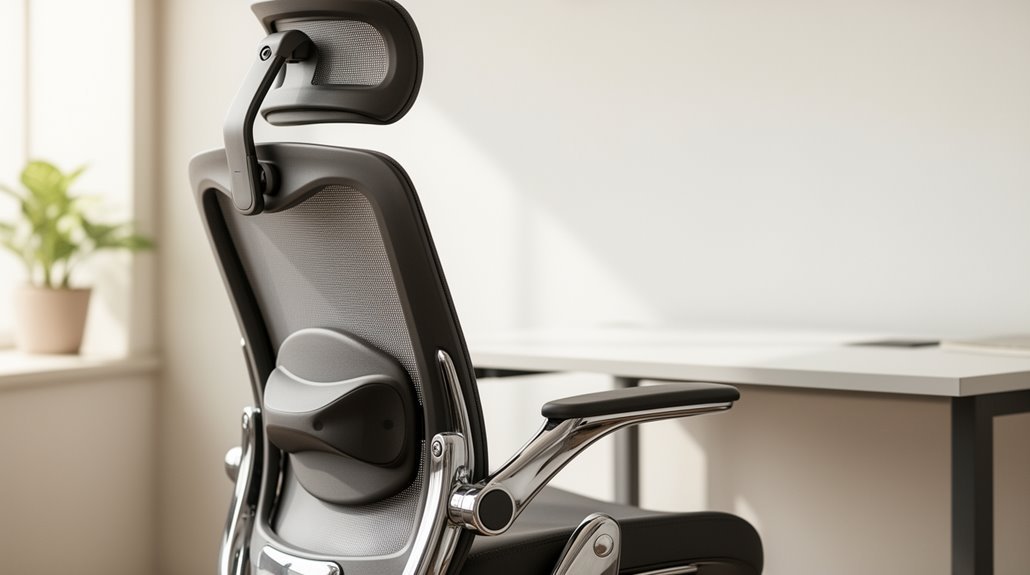
Ergonomic chairs provide essential support for your musculoskeletal health. They reduce the risk of disorders by up to 75%, promote proper posture, and enhance circulation. the impact of ergonomic chairs on health has been extensively researched, revealing their significant role in alleviating back pain and improving overall productivity. Additionally, users often report a marked decrease in fatigue during long hours of sitting, highlighting the benefits these chairs offer in professional environments. Investing in an ergonomic chair can thus be seen as a proactive measure for maintaining long-term well-being and comfort.
Adjustable features like lumbar support and seat height minimize strain on your neck, back, and limbs. These adjustments help maintain comfort during long periods of sitting.
This improved comfort leads to increased productivity; companies often note about a 15% boost in output. Investing in ergonomic chairs also enhances overall employee well-being and job satisfaction.
Discover further benefits that can enhance your workspace environment and support a healthier, more productive team.
Musculoskeletal Health Benefits
When you use an ergonomic chair, you greatly reduce the risk of musculoskeletal disorders (MSDs) by up to 75%. These chairs feature adjustable components, which help decrease muscle strain in your neck, shoulders, and back. Proper posture is supported, distributing your body weight evenly. Training coupled with ergonomic chair use leads to a 42% reduction in neck-related MSDs among office workers. Additionally, users often report fewer instances of upper and lower limb discomfort due to prolonged sitting. Consistent use can yield immediate relief from musculoskeletal pain for nearly 40% of individuals. Moreover, ergonomic chairs help prevent disc compression, reducing the likelihood of herniated discs and pinched nerves.
Enhanced Workplace Productivity
Ergonomic chairs not only improve musculoskeletal health but also greatly boost workplace productivity. Studies show that ergonomic office environments can increase productivity by up to 15%. The Human Factors and Ergonomics Society supports this claim, reporting similar findings. Proper lumbar support and adjustability in ergonomic chairs enhance alertness, concentration, and focus. Comfortable seating reduces physical discomfort, leading to fewer distractions and improved work output. Additionally, companies that invest in ergonomic furniture report a 67% decrease in absenteeism due to musculoskeletal disorders. This reduction guarantees consistent workforce availability, directly supporting sustained productivity levels. Furthermore, investments in ergonomic furniture reflect a commitment to health-conscious workspaces, promoting overall employee satisfaction and performance. Ultimately, ergonomic chairs create a more efficient work environment, allowing you to perform at your best and achieve greater results.
Improved Employee Wellbeing and Job Satisfaction
Investing in ergonomic chairs leads to significant improvements in employee wellbeing and job satisfaction. Ergonomic chairs reduce musculoskeletal discomfort, particularly in the back and neck.
Studies indicate a 30% decrease in reported back pain after implementing ergonomic seating. Adjustable features help lower rates of musculoskeletal disorders (MSDs) over time, resulting in fewer medical claims related to workplace injuries. Additionally, ergonomic chairs promote dynamic movement, reducing fatigue and discomfort during the workday. Employees experience enhanced mental wellbeing, with improved focus and mood. Notably, participants using the Leap chair reported lower pain levels and increased productivity, further highlighting the effectiveness of ergonomic solutions.
This investment fosters a supportive workplace culture, leading to higher job satisfaction and morale. Ultimately, when employers prioritize comfort and health, employees feel valued, which boosts overall engagement and satisfaction in their roles.
Financial and Business Advantages

Prioritizing employee comfort through ergonomic chairs not only enhances wellbeing and job satisfaction but also brings significant financial and business advantages.
Ergonomic chairs help prevent workplace injuries, leading to a 32% reduction in healthcare costs related to work injuries and illnesses. Fewer health-related absences lower sick pay and medical interventions, enhancing overall operational reliability.
Ergonomic setups can boost productivity by 40%, resulting in higher output and profitability. Additionally, durable ergonomic chairs require less maintenance, with a 17% reduction in replacement costs over five years.
Investing in ergonomic furniture also signals a commitment to employee well-being, lowering turnover rates and recruitment expenses, ultimately contributing to long-term financial stability for your business.
Physical Support and Posture Maintenance
Physical support and posture maintenance are critical for long-term health in any work environment. Ergonomic chairs provide scientifically designed lumbar support, maintaining the spine’s natural S-curve. This support prevents forward slouching, reducing spinal disc compression and muscle strain.
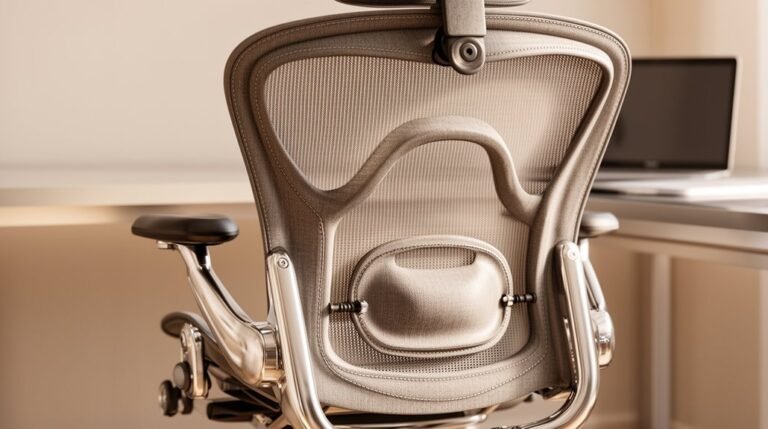
You can adjust lumbar support vertically and horizontally, tailoring it to your body specifications. Studies indicate that chairs with adjustable backrests lower intervertebral disc pressure. Proper lumbar positioning alleviates lower back pressure while promoting an upright spine.
Research shows that ergonomic seating can reduce musculoskeletal disorders by up to 75%. This chair design decreases chronic back and neck pain, improving overall comfort during extended sitting periods, ensuring your body remains aligned and supported throughout the workday.
Encouragement of Healthy Movement and Circulation
When you sit in an ergonomic chair, you engage in active sitting, which promotes continuous, small movements that mimic gentle exercise.
These dynamic chairs facilitate micro-movements, activating your core muscles and stimulating your joints. This engagement maintains muscle activity throughout the day, improving spinal alignment and reducing disc pressure.
Additionally, ergonomic chairs allow multi-directional movement, preventing blood pooling in your legs. Continuous micro-movements enhance blood flow, reducing numbness, swelling, and heavy sensations in your legs.
Adjustable features, like elevated seating and footrests, further support circulation. By encouraging natural posture shifts and frequent adjustments, these chairs reduce the risks associated with static sitting, promoting overall healthy movement and circulation.
Reduction of Workplace Injuries
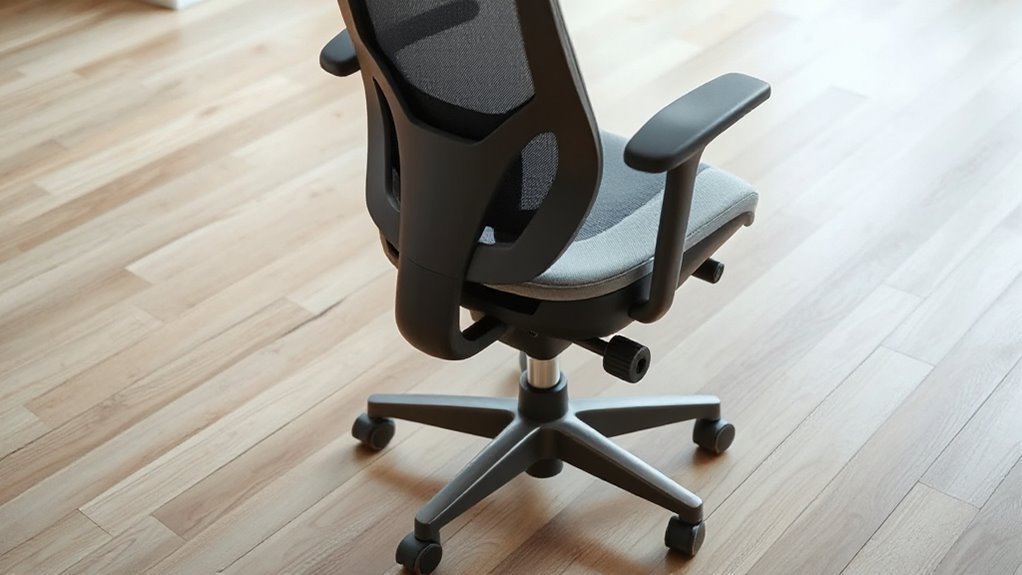
Ergonomic chairs play an essential role in decreasing workplace injuries, particularly musculoskeletal disorders (MSDs). These disorders account for 33% of all worker injury cases in the U.S.
Adjustable lumbar support maintains your spine’s natural curve, reducing back pain and injury. Height-adjustable seats and backrests guarantee proper alignment, minimizing strain on your neck and shoulders.
Research shows that ergonomic interventions can lead to a 59% reduction in MSDs. Companies implementing these solutions often report considerable decreases in absenteeism—up to 67%.
Furthermore, one large-scale intervention resulted in a 47% reduction in MSD cases. By investing in ergonomic chairs, you not only enhance comfort but also greatly lower the risk of workplace injuries, protecting both your health and productivity.
Long-term Health Benefits
Investing in an ergonomic chair can greatly enhance your long-term health. These chairs support natural spinal alignment, reducing the risk of chronic pain, especially in your lower back. Proper weight distribution minimizes strain, preventing chronic back issues.
By encouraging correct sitting posture, ergonomic chairs help reduce muscle fatigue and discomfort. Studies indicate that they can lower musculoskeletal symptoms by up to 75%. They also help prevent slouching, which often leads to pain in the shoulders and neck.
Additionally, ergonomic chairs promote better blood circulation, reducing the risk of cardiovascular problems linked to prolonged sitting. Overall, using an ergonomic chair can lead to improved physical well-being and lower long-term healthcare costs associated with chronic pain and musculoskeletal disorders. The benefits of using ergonomic chairs extend beyond immediate comfort; they also contribute to enhanced productivity and focus throughout the workday. By providing proper lumbar support and promoting a healthier posture, individuals can experience reduced fatigue and increased energy levels. In turn, this can lead to a more positive work environment and greater overall job satisfaction.
Customization and Adjustability
Customization and adjustability are key features that enhance the effectiveness of an ergonomic chair. An adjustable seat height allows you to keep your feet flat on the floor, reducing leg and back strain.
Reclining backrests enable you to change angles for ideal spine alignment, improving overall comfort. Customizable lumbar support targets your lower back, minimizing the risk of chronic pain.
Adjustable armrests maintain shoulder and wrist alignment, reducing upper body fatigue. Seat depth adjustments accommodate varying leg lengths, enhancing circulation and comfort.
These features contribute to a tailored experience, allowing you to find the perfect fit for your body type. As demand for adjustable chairs rises, you’ll find more options that cater to both home and corporate environments.
Positive Impact on Team Dynamics
Creating a supportive workspace goes beyond individual comfort; it influences team dynamics greatly. Ergonomic assessments using collaborative technology enhance team communication. Teams can discuss ergonomic risks, fostering open dialogue and shared solutions.
Regular discussions create a culture of transparency, increasing trust and information sharing. Addressing ergonomic concerns collectively boosts morale and engagement, making employees feel valued. This shared responsibility cultivates a supportive atmosphere, enhancing job satisfaction and reducing burnout.
Moreover, ergonomic interventions can lower absenteeism by up to 32%, promoting stability and reliable team performance. Teams experience less stress with minimized risks, leading to higher productivity.
A culture of collective responsibility strengthens team unity and cohesion, ultimately improving overall collaboration and innovation.
Frequently Asked Questions
How Long Should I Sit in an Ergonomic Chair Each Day?
You should aim to sit in an ergonomic chair for no longer than 6 hours daily. Prolonged sitting increases the risk of musculoskeletal disorders and cardiovascular issues.
To mitigate these risks, take movement breaks every hour, standing or walking for about 10 minutes. Adjust your chair’s backrest and armrests appropriately to maintain a neutral posture.
These adjustments help reduce discomfort and improve overall productivity during your sitting periods.
Can Ergonomic Chairs Accommodate Different Body Sizes and Shapes?
Yes, ergonomic chairs accommodate different body sizes and shapes. They come in various sizing categories, like petite, medium, and big and tall, ensuring a proper fit.
For instance, small users typically need seat heights of 15-17 inches, while big and tall individuals require 17-21 inches.
Adjustable features, such as seat depth and backrest height, allow customization for individual needs, promoting comfort and support for diverse body types during prolonged sitting periods.
What Materials Are Best for Ergonomic Chair Comfort?
Mesh materials offer breathability and flexibility, allowing air circulation and adapting to your body shape.
Fabric upholstery provides a soft surface, enhancing comfort with various textures and colors.
Memory foam contours to your body, delivering pressure relief and weight distribution.
Hybrid materials combine mesh and cushioning for balanced support, ensuring breathability and plush comfort.
Each material serves specific needs, so consider your preferences for ideal ergonomic support and comfort during prolonged sitting.
Do Ergonomic Chairs Require Assembly or Professional Setup?
Yes, ergonomic chairs do require assembly.
You’ll typically need basic tools, like an Allen wrench and screwdriver. Most models come with an instruction manual.
The assembly process involves attaching the five-star base, casters, gas lift cylinder, seat plate, backrest, and armrests.
Expect to spend 30 to 60 minutes on assembly. While professional setup isn’t necessary, you can seek assistance for complex models if needed.
How Do I Clean and Maintain My Ergonomic Chair?
To clean and maintain your ergonomic chair, vacuum it weekly using a soft brush attachment.
For stains, blot spills immediately with a clean cloth, then use a mild soap solution for general cleaning.
Monthly, wipe high-contact areas and quarterly, deep clean with fabric-safe methods.
Lubricate moving parts and remove debris from caster wheels.
Annually, disassemble for thorough cleaning, ensuring you maintain hygiene and prevent deterioration of materials.
Conclusion
Investing in an ergonomic chair is like laying a solid foundation for a strong house. It supports your musculoskeletal health and reduces workplace injuries.
These chairs enhance productivity and offer customization options that adapt to your needs, promoting better posture.
The long-term health benefits contribute to overall employee well-being and satisfaction.
By prioritizing ergonomic seating, you’re not just improving comfort; you’re fostering a healthier, more efficient work environment that can positively impact team dynamics.