Ergonomic Chair Benefits for Productivity
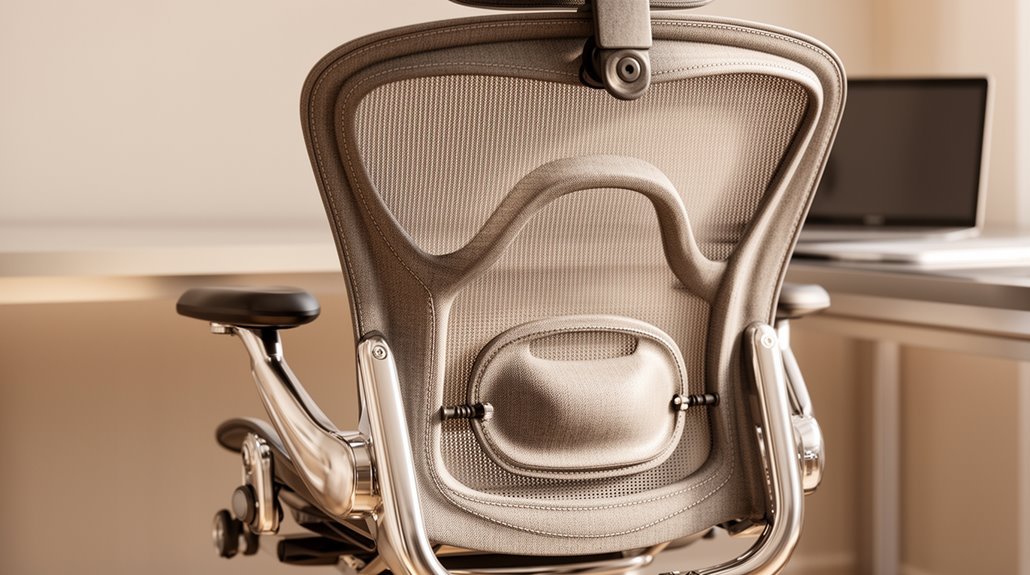
Ergonomic chairs enhance productivity by providing lumbar support and adjustable features. They improve comfort and reduce discomfort, which promotes proper posture and lowers the risk of musculoskeletal disorders. ergonomic chair advantages for office workers extend beyond just physical benefits; they can also significantly boost mental well-being by reducing stress levels related to discomfort. As a result, employees are more likely to remain focused and engaged throughout their tasks, leading to higher overall job satisfaction. Moreover, investing in ergonomic seating options can lead to fewer sick days and decreased healthcare costs for businesses.
High-quality cushioning and dynamic features decrease muscle stiffness, enabling longer work periods without fatigue. Better spinal alignment can increase oxygen flow to the brain, which enhances focus and cognitive function.
Ultimately, investing in ergonomic chairs leads to higher job satisfaction and reduced absenteeism. This creates a more productive work environment—discover more benefits ahead.
Enhanced Comfort and Reduced Discomfort
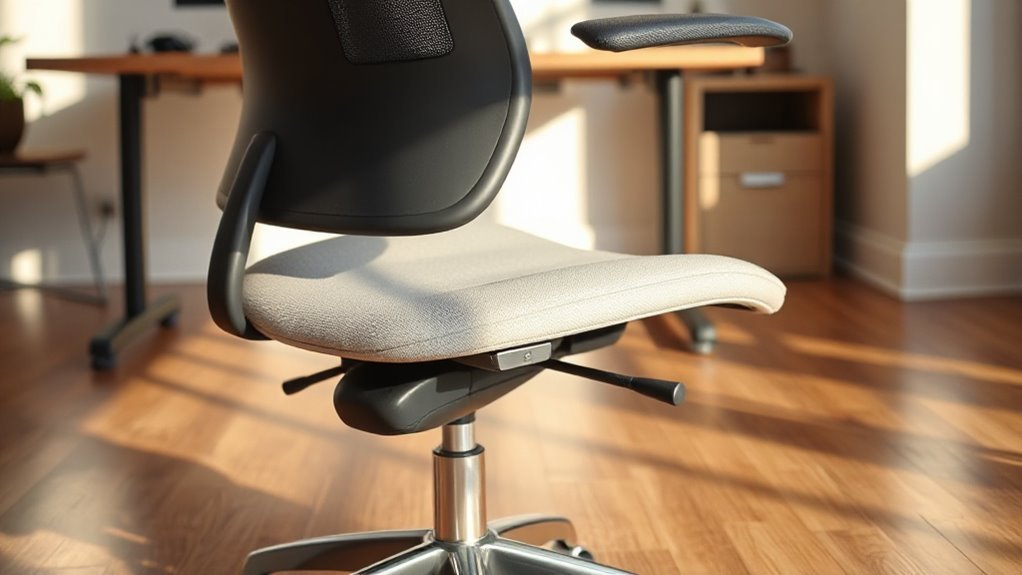
When you sit for extended periods, comfort becomes essential for maintaining productivity and well-being. Ergonomic chairs, designed with lumbar support, considerably reduce lower back strain and neck discomfort.
Features like adjustable armrests, seat height, and recline allow you to customize support, minimizing the risk of musculoskeletal disorders (MSDs). Studies show users of ergonomic chairs experience less pain and fatigue during work hours.
Additionally, these chairs promote proper posture, reducing pressure on your spine and hips. Dynamic features such as tilt and micro-movements decrease muscle stiffness, enabling you to work longer without discomfort. Investing in ergonomic chairs results in increased productivity as better-designed environments can boost productivity by 20%.
Enhanced neck support cushions and adjustable headrests further improve multi-area comfort. Overall, ergonomic seating contributes to better physical comfort, leading to a healthier work environment.
Increased Focus and Concentration
Ergonomic chairs support proper spinal alignment, which reduces strain on your neck and back. This upright posture boosts cognitive function, improving problem-solving performance. When you maintain good posture, oxygen flow to your brain increases, enhancing mental clarity. Additionally, the quality of school furniture significantly impacts student focus, making ergonomic chairs a vital investment for any learning environment.
Adjustable height mechanisms allow you to align your chair perfectly with your desk, ensuring ideal positioning. This helps prevent discomfort that can lead to distractions.
Furthermore, ergonomic chairs minimize the need for constant adjustments, allowing for full immersion in your tasks. With better lumbar support and cushioning, you can sustain attention longer, reducing mental fatigue during extended study sessions or work hours.
Prevention of Musculoskeletal Disorders
Ergonomic chairs play an essential role in preventing musculoskeletal disorders (MSDs) by incorporating features that support proper body alignment and reduce strain. These chairs greatly lower the risk of discomfort and injury in office settings.
Key benefits include:
- Reduction in MSDs: Chairs can decrease MSDs by up to 75% when used correctly.
- Adjustability: Features like adjustable seat height and lumbar support help maintain spinal curvature.
- Dynamic Sitting: Backrest tilt and recline mechanisms promote movement, reducing muscle fatigue.
- Proper Cushioning: High-quality seat cushioning minimizes discomfort during prolonged use.
Implementing ergonomic chairs leads to improved worker health, reducing the need for medical intervention and promoting overall productivity. Additionally, ergonomic design prevents disc compression, which is crucial for maintaining spinal health.
Improved Employee Satisfaction
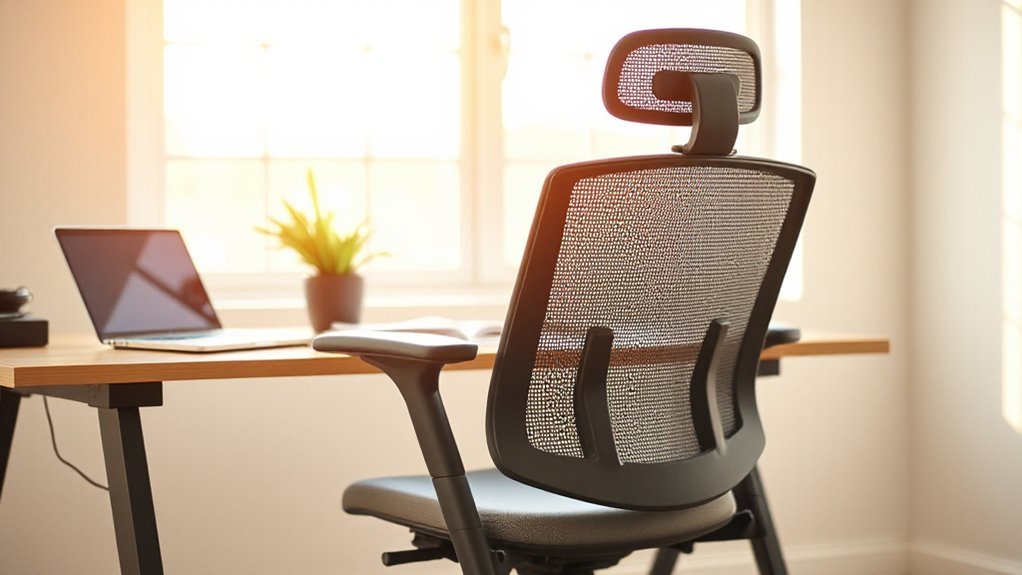
A well-designed ergonomic workspace greatly enhances employee satisfaction. Ergonomic workstations lead to a 32% increase in satisfaction, as reported in the International Journal of Industrial Ergonomics.
Additionally, 87% of employees in ergonomic environments feel more motivated, according to The Ergonomics Society. When employees experience physical support, they report higher morale and engagement, as noted in the International Journal of Workplace Health Management.
An ergonomic environment fosters a positive company culture, which further boosts morale. Employees in comfortable workspaces exhibit greater loyalty to their employers, as highlighted by Simplova in 2023.
Investing in ergonomic solutions signals to employees that their well-being is prioritized, contributing to overall job satisfaction and retention.
Financial Returns on Ergonomic Investments
Investing in ergonomic solutions yields substantial financial returns for businesses.
These investments can greatly reduce costs associated with workplace injuries and absenteeism.
Consider these key returns:
- Reduced absenteeism: Ergonomic chairs lower rates of musculoskeletal disorders, decreasing sick leave expenses.
- Increased productivity: Ergonomic setups improve comfort, boosting employee productivity by up to 40%.
- Lower turnover costs: Higher job satisfaction from ergonomic investments decreases employee turnover, saving recruitment expenses.
- Durable furniture: Quality ergonomic chairs last longer, reducing replacement and maintenance costs by around 17% over five years.
Boosted Motivation and Job Engagement
When employees work in environments tailored to their individual needs, motivation and engagement naturally increase.
Adjustable ergonomic chairs enhance comfort through features like lumbar support and customizable seat height. This personalization contributes to an 18% increase in motivation among employees, as they feel more in control of their workspaces.
Comfortable seating reduces physical discomfort, allowing for sustained attention and higher engagement. Employees report being more alert and mentally present, leading to improved job satisfaction.
Additionally, organizations that invest in ergonomic furniture demonstrate care for employee well-being, fostering trust and loyalty.
Ultimately, such investments not only enhance motivation but also promote a positive workplace culture that encourages proactive participation and collaboration.
Positive Impact on Health and Well-being

Ergonomic chairs considerably enhance health and well-being by addressing common physical ailments associated with prolonged sitting.
These chairs feature critical designs that considerably reduce discomfort and promote better health outcomes.
- Proper lumbar support reduces back and neck pain by up to 50%.
- Adjustable components minimize muscle activity, decreasing intervertebral disc pressure.
- Improved blood circulation prevents numbness and supports cardiovascular health.
- Enhanced job satisfaction correlates with reduced absenteeism and better mental clarity.
Flexibility and Adjustability for Diverse Needs
Flexibility and adjustability in ergonomic chairs cater to various body types and work tasks, ensuring a comfortable seating experience for everyone.
These chairs accommodate diverse sizes through adjustable seat height, depth, and width. You can position adjustable lumbar support to fit your spinal curves, enhancing comfort.
The armrests offer 5D adjustments—height, width, depth, angle, and tilt—allowing for ideal arm positioning. Seat pans can be customized to reduce pressure on the back of your knees, while backrests flex to support your movements.
Ergonomic chairs facilitate shifts between upright sitting and reclining, making them suitable for different tasks. With features like swivel bases and mobility casters, you can easily navigate your workspace, promoting efficiency and comfort.
Reduction in Absenteeism
As companies prioritize employee health, the adoption of ergonomic chairs greatly impacts absenteeism rates.
Ergonomic chairs help prevent musculoskeletal disorders (MSDs), which often lead to significant time away from work.
Consider these statistics:
- Ergonomic interventions can reduce absenteeism due to MSDs by up to 75%.
- Companies with ergonomic furniture report a 67% decrease in absenteeism.
- Extensive ergonomics programs lead to a 58% reduction in missed workdays.
- Ergonomic workstation solutions have been shown to lower lost workdays by 88%.
Support for Cognitive Function and Performance
The design of modern office chairs plays a significant role in enhancing cognitive function and performance during work tasks. Ergonomic chairs, particularly high-back adjustable models, enable faster decision-making without sacrificing accuracy. By lowering heart rate variability, these chairs reduce stress, promoting cognitive flexibility and focus.
When seated in ergonomic chairs, participants exhibit increased neural efficiency during concentration tasks, enhancing mental agility. Additionally, comfortable seating eliminates discomfort-related distractions, maintaining prolonged concentration essential for quality work.
Proper posture supported by ergonomic design increases alertness and reduces mental fatigue. This optimized alignment minimizes visual strain, further supporting sustained mental performance. Ultimately, ergonomic chairs foster an environment that encourages better cognitive function, allowing you to navigate complex tasks more effectively.
Frequently Asked Questions
How Do Ergonomic Chairs Vary in Design and Features?
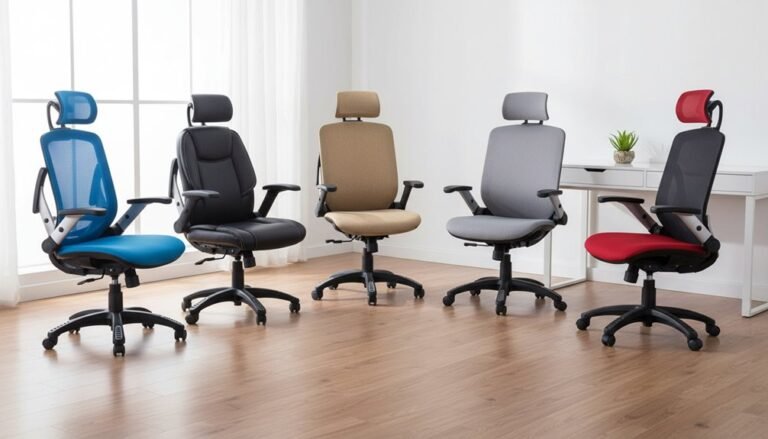
Ergonomic chairs vary in design and features primarily through lumbar support systems, adjustability, and material composition.
Adjustable lumbar support allows for vertical positioning and firmness control, accommodating different body shapes. Height-adjustable seats and armrests enable personalized seating.
Some chairs offer 4-dimensional armrests and synchro-tilt mechanisms for dynamic movement.
Additionally, high-density foam and mesh materials cater to comfort preferences, ensuring ideal pressure distribution and airflow for various climates and working environments.
What Materials Are Commonly Used in Ergonomic Chair Construction?
Ergonomic chairs use various materials for ideal design. Mesh provides breathability and contours to your back.
Fabric upholstery offers comfort and diverse styles. Genuine leather, while luxurious, is pricier and less breathable. Faux leather mimics this look at a lower cost.
Steel frames guarantee durability, while aluminum offers a lightweight alternative. For bases, plastic is cost-effective, and steel provides enhanced stability.
Memory foam cushions deliver pressure relief, enhancing comfort.
Are There Specific Ergonomic Chairs for Different Body Types?
Yes, there are specific ergonomic chairs tailored for different body types.
Taller individuals need chairs with higher backrests and extended seat depths for full spine support. Conversely, shorter users benefit from lower seat heights and reduced depths, ensuring proper knee-to-hip angles.
Broader users require wider backrests and seats to prevent pinching, while narrower frames suit contoured seat pans.
Adjustable features like lumbar support and armrests further customize fit and comfort for various builds.
How Can I Maintain and Clean an Ergonomic Chair?
To maintain and clean your ergonomic chair, start with weekly dusting using a microfiber cloth.
Vacuum the fabric regularly to remove debris. For mesh upholstery, use a mild soap solution to wipe surfaces gently. Spot clean stains immediately.
Schedule quarterly deep cleanings, lubricate adjustable mechanisms annually, and tighten screws every six months.
Avoid sharp objects and direct sunlight to protect materials.
Consider professional servicing every 1-2 years for peak performance.
What Is the Average Lifespan of an Ergonomic Chair?
The average lifespan of an ergonomic chair ranges from 7 to 10 years with proper care.
Premium models can last 12 to 15 years, depending on materials and maintenance.
In contrast, budget chairs typically last 1 to 5 years.
Factors influencing lifespan include build quality, materials used, and intensity of use.
Regular maintenance, such as tightening screws and cleaning, can extend durability.
Signs of wear indicate when replacement is necessary to maintain comfort and support.
Conclusion
Incorporating an ergonomic chair into your workspace isn’t just a luxury; it’s a game-changer for productivity. These chairs enhance comfort and reduce discomfort, which helps you maintain focus for longer periods. the benefits of ergonomic chairs for workers extend beyond just physical comfort; they also contribute to improved mental well-being. When employees feel supported and comfortable, their creativity and efficiency noticeably increase. Investing in these chairs can lead to a healthier workplace culture and ultimately better overall performance.
They support proper posture, lowering the risk of musculoskeletal disorders and helping you stay healthy and engaged throughout the workday.
Investing in ergonomic solutions also yields financial returns through improved employee satisfaction and reduced absenteeism.
Ultimately, ergonomic chairs are essential for anyone looking to optimize performance and well-being in a demanding work environment.