How to Avoid Neck Pain at Your Desk
How to Avoid Neck Pain at Your Desk
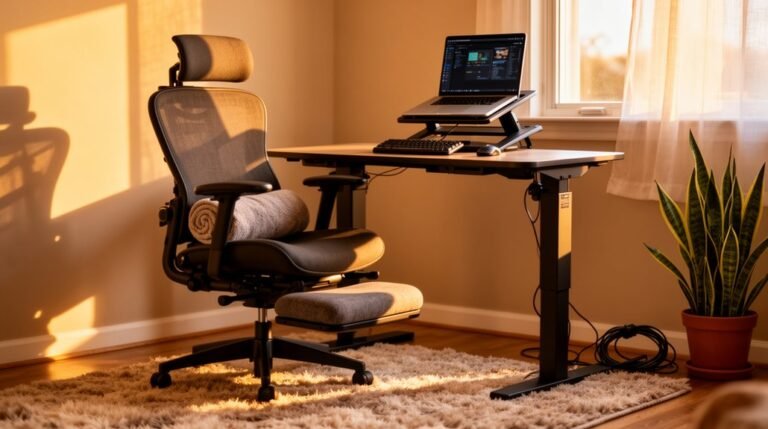
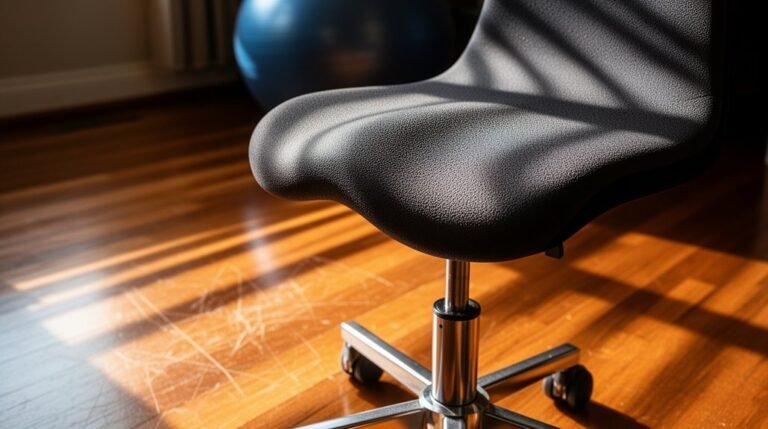
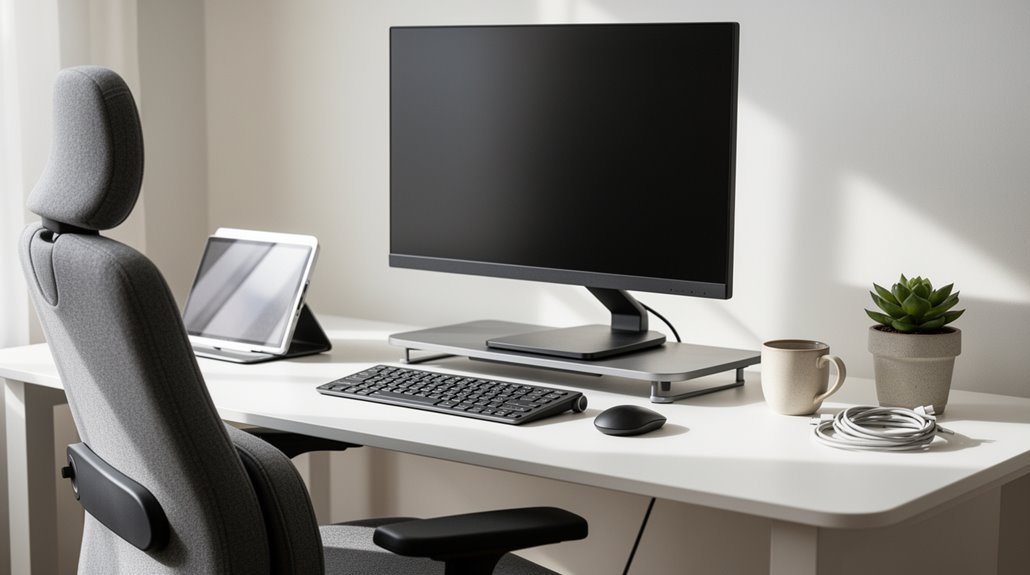
To avoid neck pain at your desk, set up an ergonomic workstation. Adjust your chair so your feet are flat on the floor and your knees form a 90° angle. Proper chair height helps reduce strain on your lower back and neck.
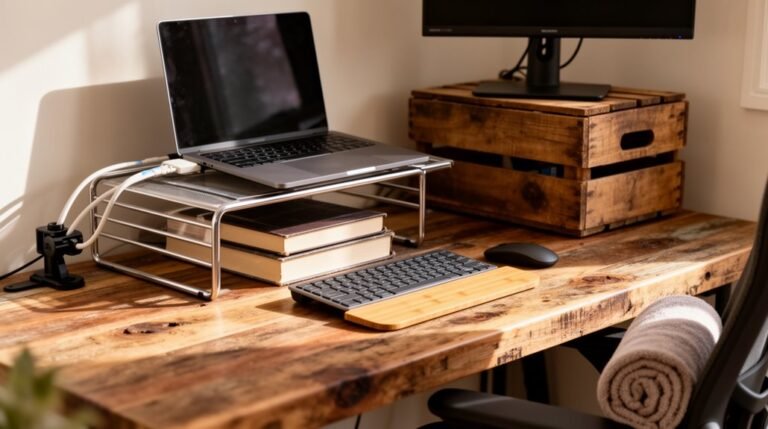
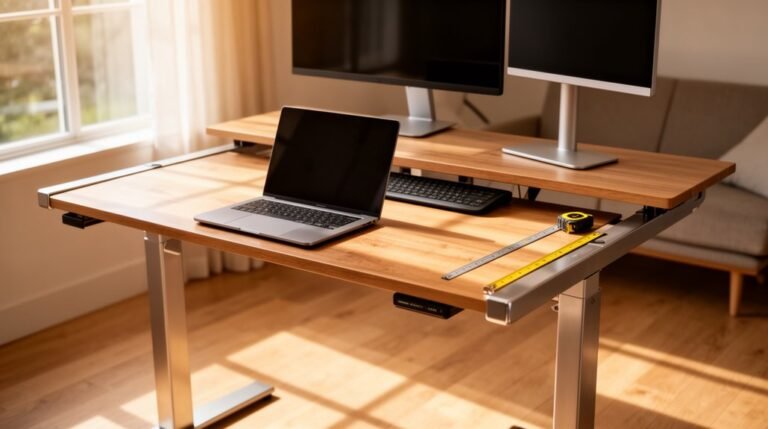
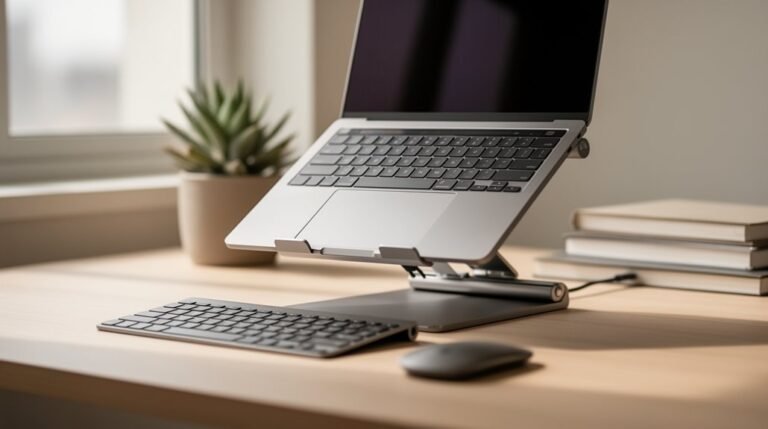
Position your monitor an arm’s length away with the top of the screen at eye level. This keeps your head in a neutral position and prevents forward head posture.
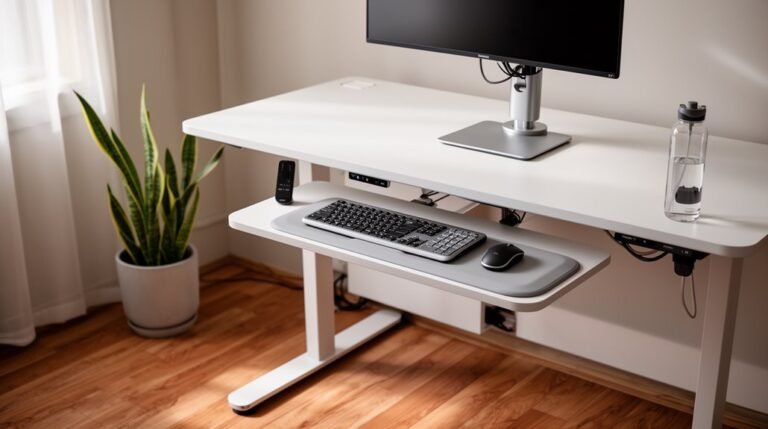
Keep your elbows at about 90° while typing to minimize shoulder and neck tension. Use a supportive chair and consider a keyboard tray or wrist rest if needed.
Take frequent breaks every 30–60 minutes to stretch your neck and shoulders. Regular movement and specific exercises can relieve built-up tension and reduce the risk of chronic pain.
Continue exploring additional methods for effective neck pain management, such as posture checks, strengthening exercises, and professional advice when necessary.
Ergonomic Workstation Setup
To prevent neck pain while working at your desk, you need an ergonomic workstation setup.
First, adjust your chair so your feet rest flat on the floor, with knees at a 90° angle. Confirm armrests are adjustable, allowing elbows to sit comfortably at 90° while typing. Your seat depth should support your thighs fully without cutting circulation.
The backrest needs to provide lumbar support and recline between 100°-110° to reduce lower back strain. Position your desk height so elbows rest at 90° when typing.
Place your monitor directly in front of you, about arm’s length away, with the top screen edge at or slightly below eye level. Recognizing the warning signs of discomfort early can help prevent larger issues down the line.
These adjustments promote better posture and reduce neck tension during long work hours.
Importance of Posture Awareness
Understanding posture awareness is vital for maintaining ideal body alignment, especially during prolonged desk work. Posture awareness means consciously recognizing your body alignment while seated. It involves monitoring and correcting any positions deviating from neutral spinal alignment. This awareness helps you identify early signs of strain or discomfort, preventing them from escalating into serious injuries.
With over 80% of U.S. jobs being sedentary, poor posture risks are prevalent. More than half of workers report neck issues linked to prolonged poor posture. Cultivating posture awareness can reduce neck and back pain, support early reporting of musculoskeletal disorders (MSDs), and foster a culture of health and safety at work. Taking proactive steps is imperative for long-term well-being. Regularly incorporating movement breaks into your routine enhances posture awareness and mitigates the negative effects of prolonged sitting.
Neck-Specific Exercise Programs
Neck-specific exercise programs play an essential role in mitigating neck pain associated with prolonged desk work.
Chin tucks strengthen deep cervical flexors, improving posture and reducing forward head strain. Perform these seated, tucking your chin gently toward your chest for 5–15 seconds, repeating 5–20 times.
Side-to-side neck stretches enhance flexibility; tilt your head toward one shoulder, holding for 15–30 seconds, repeating 2–5 times per side. Incorporating side-to-side neck stretches into your routine can significantly alleviate muscle tension on both sides of the neck.
Neck rotations involve slowly turning your head to each side for 10–15 seconds, maintaining a healthy range of motion.
Finally, forward and backward neck tilts promote mobility. Incorporate these exercises every half hour to alleviate tension and prevent strain, ensuring ideal neck health at your desk.
Incorporating Physical Activity and Movement
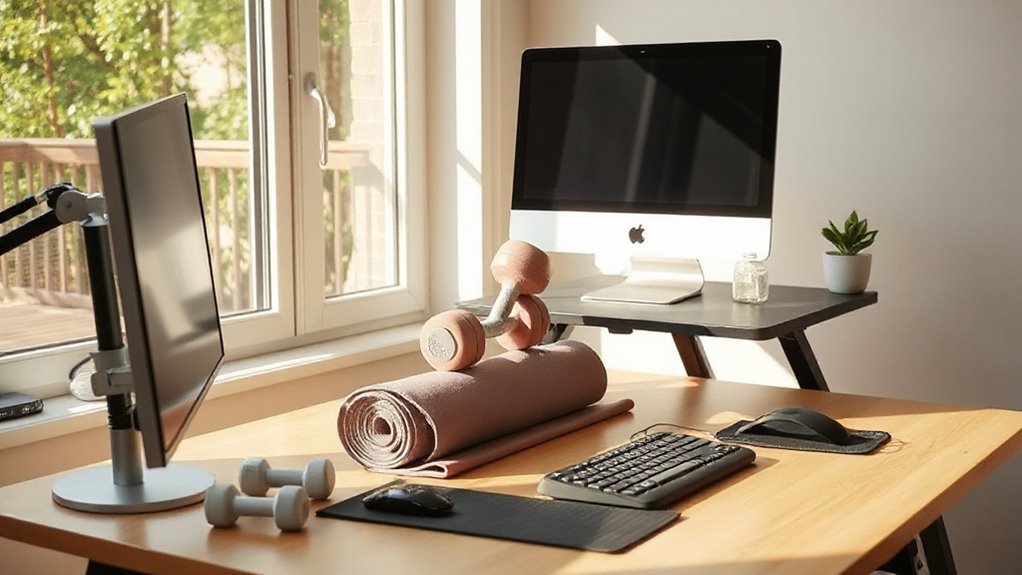
Incorporating physical activity and movement into your workday is essential for preventing neck pain and enhancing overall well-being. Frequent movement breaks every 30 to 60 minutes reduce muscle tightness and neck strain associated with prolonged sitting.
Stand up, stretch your neck and shoulders, or take short walks to reset your posture and relieve tension. Use phone alerts or consider a standing desk to encourage consistent movement.
Perform neck stretches like side bends and chin tucks to improve flexibility. Engage in shoulder rolls and thoracic extensions to promote better posture.
These simple exercises enhance circulation, reduce muscle fatigue, and combat the negative effects of sedentary behavior, ultimately supporting pain prevention and improving your work performance.
Understanding Stress Management and Its Impact
While you may not realize it, stress management plays an essential role in maintaining your overall health and productivity at work.
Workplace stress greatly impacts productivity, costing U.S. companies over $300 billion annually. Stress leads to absenteeism, reduced engagement, and turnover, with 94% of organizations reporting unproductivity linked to stress.
Additionally, 77% of Americans reported feeling stressed at work last month. This stress contributes to serious health issues, causing approximately 120,000 deaths yearly.
Moreover, 40% of job turnover relates to stress, with many employees considering career changes due to burnout.
Effective stress management not only enhances workplace efficiency but also promotes better mental health, reducing the likelihood of negative outcomes associated with prolonged stress exposure.
Effective Prevention Strategies
To maintain a healthy neck while working at your desk, it’s essential to implement effective prevention strategies that promote proper posture and reduce strain.
Position your monitor so its top aligns with eye level, preventing head tilting. Adjust your chair height to keep your feet flat and knees at about 90 degrees. Center your monitor directly in front to minimize neck twisting.
Place your keyboard and mouse close to your body, allowing elbows to remain at roughly 90 degrees. Take short breaks every 30 to 60 minutes to stretch and stand, alleviating stiffness.
Incorporate neck extensions and shoulder blade squeezes during these breaks to strengthen muscles and relieve tension. Prioritize ergonomic equipment to support neck alignment and comfort.
Long-Term Management of Neck Pain
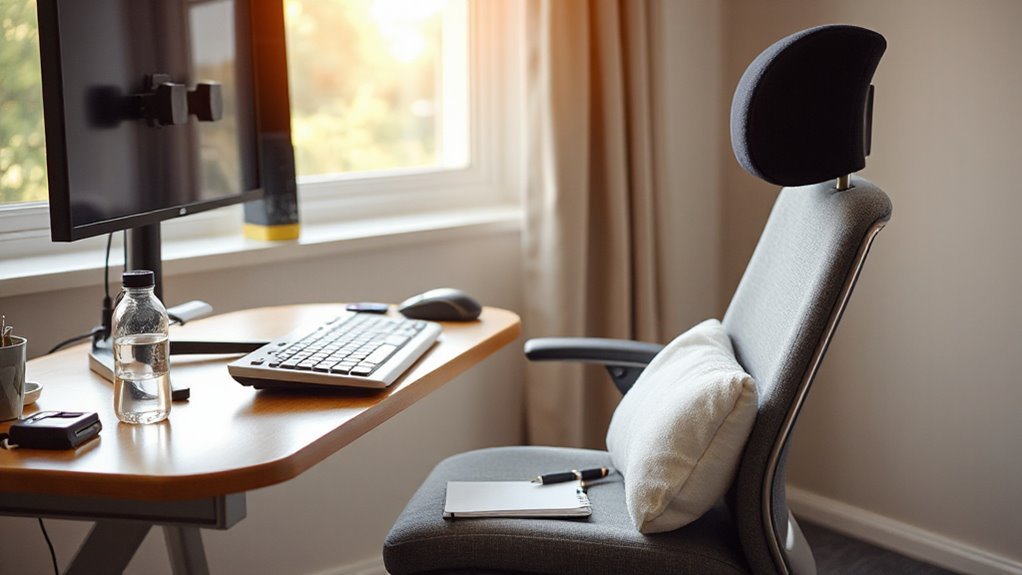
Long-term management of neck pain requires a thorough approach that combines medical, therapeutic, and lifestyle strategies.
First, consider medical management options like NSAIDs and muscle relaxants, which help reduce inflammation and muscle spasms. Local anesthetic injections with corticosteroids can provide significant pain relief.
Next, engage in physical therapy focusing on strengthening neck muscles and improving flexibility. Incorporate regular neck stretches and posture exercises to maintain muscle balance.
Adjust your ergonomic setup by positioning screens at eye level and taking breaks from static postures. Explore alternative therapies like acupuncture or TENS for additional relief.
Finally, maintain a healthy weight and stay active, as these lifestyle changes support overall neck health and pain reduction over time.
Frequently Asked Questions
How Often Should I Take Breaks From My Desk?
To maximize productivity and health, you should take breaks every hour. Health experts recommend a 5-10 minute pause for every hour of desk work.
Some studies advocate for shorter breaks every 20-30 minutes. Alternatively, productivity experts suggest a 15-minute break after 75-90 minutes of work.
Consistently following these guidelines can help reduce stress and improve overall well-being, as many desk workers experience discomfort after extended periods of uninterrupted work.
What Are Common Signs of Neck Strain to Watch For?
Watch for dull, sharp, or throbbing pain in your neck, which often worsens with movement.
Stiffness may limit your head’s range of motion, making it hard to turn or tilt. You might feel muscle spasms or tenderness in the cervical area.
Additionally, numbness or tingling radiating into your arms could indicate nerve involvement.
If you experience persistent headaches, it’s essential to seek evaluation for these symptoms.
Can My Phone Usage Contribute to Neck Pain?
Yes, your phone usage can contribute to neck pain. Research shows longer daily mobile phone use increases neck pain severity.
Adopting a forward head posture while texting or browsing puts extra strain on your cervical spine, leading to conditions like Text Neck Syndrome.
If you use your phone for over four hours daily, you’re at a higher risk. It’s essential to be mindful of your posture and usage duration to mitigate these effects.
Are There Specific Stretches I Can Do at My Desk?
You can integrate specific stretches into your desk routine.
Perform shoulder rolls to release tension; roll shoulders forward and backward.
Try the ear-to-shoulder stretch, tilting your head to feel a gentle pull along the neck.
For deeper relief, execute the chin-to-chest stretch, holding for 15–30 seconds.
Finally, incorporate neck rotations to enhance mobility.
Regularly practicing these stretches can improve posture and reduce discomfort considerably.
How Does Hydration Affect Neck Pain?
Hydration greatly affects neck pain. When you’re dehydrated, your muscles lose flexibility and strength, increasing the risk of strain.
Dehydration can amplify pain sensitivity, making discomfort feel more intense. It also leads to inflammation, a common cause of persistent neck pain.
Proper hydration supports blood flow, nutrient delivery, and waste removal, essential for muscle function.
As a result, maintaining adequate hydration is vital for managing neck pain and promoting overall well-being.
Conclusion
Incorporating these strategies can greatly reduce neck pain while working at your desk.
Set up an ergonomic workstation, maintain good posture, and engage in neck-specific exercises to create a healthier work environment.
Remember, even small adjustments can feel like magic for your neck health. Regular movement and stress management are essential for long-term relief.
Prioritize these practices to guarantee comfort and productivity in your daily routine. Your neck will thank you for it.