Do Ergonomic Chairs Really Make a Difference?
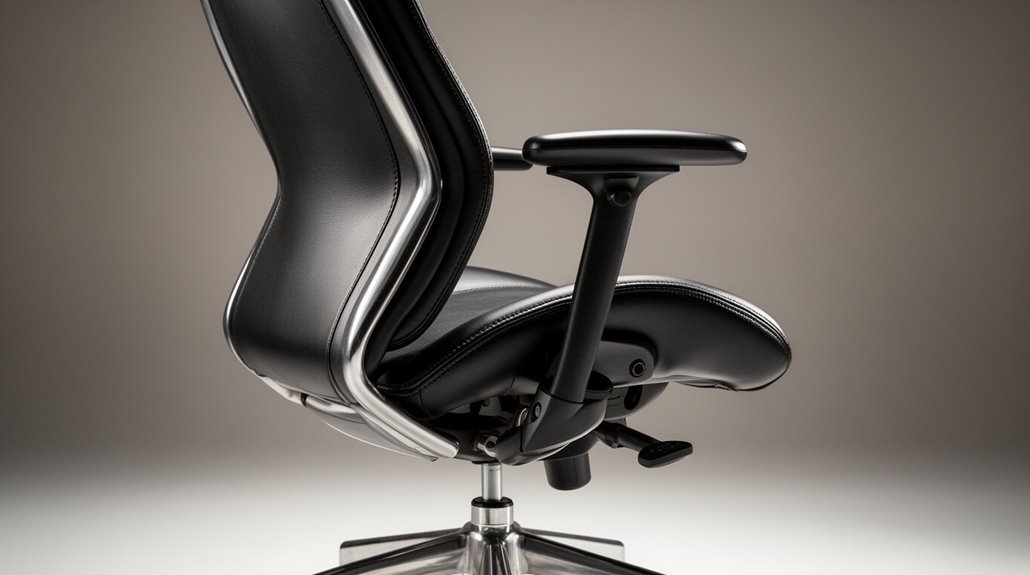
Do ergonomic chairs really make a difference? Yes — ergonomic chairs noticeably improve comfort and productivity. Studies show about a 15% increase in output when people use properly designed seating.
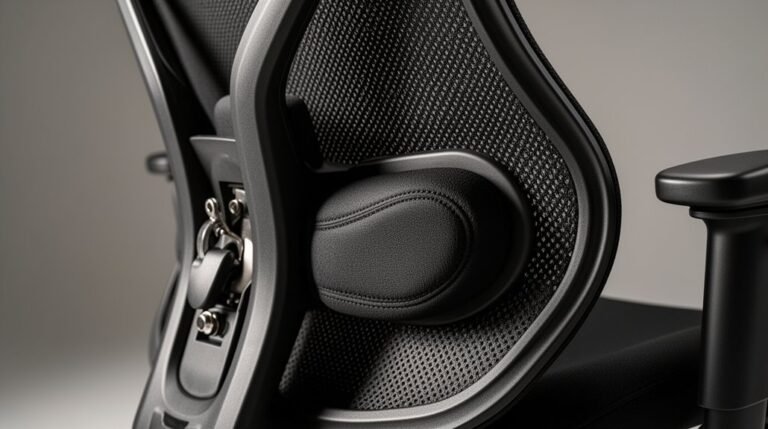
Ergonomic designs offer adjustable lumbar support, which reduces pain and lowers the risk of musculoskeletal disorders by roughly 59%. Better posture also promotes improved blood circulation, which can boost cognitive function and help maintain focus.
Many companies report strong financial returns from investing in ergonomic chairs, often recovering their costs within 8–16 months. For more insights into their benefits, it’s worthwhile to explore further.
The Impact of Ergonomic Chairs on Productivity
When you invest in ergonomic chairs, you’re not just enhancing comfort; you’re greatly boosting productivity.
Ergonomic chairs promote better posture, reducing distractions that arise from discomfort. This leads to improved focus and efficiency. the benefits of an ergonomic chair extend beyond just comfort, as these designs can also alleviate common issues such as back pain and fatigue. In addition, they often feature adjustable components that cater to individual needs, enhancing overall user experience and productivity in the workplace. Investing in an ergonomic chair can lead to long-term benefits for both physical health and work performance.
Studies show that well-designed office environments can increase productivity by 15-20%. Companies that implement height-adjustable desks and lumbar-support chairs see project delivery speeds rise by 25% over six months. Ergonomics optimizes human well-being and system performance, which further underscores the importance of investing in such furniture.
The direct correlation between comfort and work efficiency is evident. Employees report fewer interruptions, allowing them to concentrate on tasks more effectively.
Organizations adopting ergonomic practices demonstrate measurable performance improvements across multiple metrics.
In short, investing in ergonomic chairs translates to significant gains in productivity, enhancing overall workplace performance and output quality.
Reducing Pain and Injury With Ergonomic Design
Ergonomic chairs play an essential role in minimizing pain and injury in the workplace. They maintain the natural curvature of your spine, reducing strain on your lower back and preventing slouching. Features like adjustable lumbar support alleviate pressure, decreasing pain and stiffness during prolonged sitting. With a 59% reduction in musculoskeletal disorders linked to ergonomic chair use, these designs greatly improve workplace safety. Additionally, 2.8 million nonfatal occupational injuries reported by private industry in 2019 highlight the need for effective ergonomic solutions to combat workplace injuries.
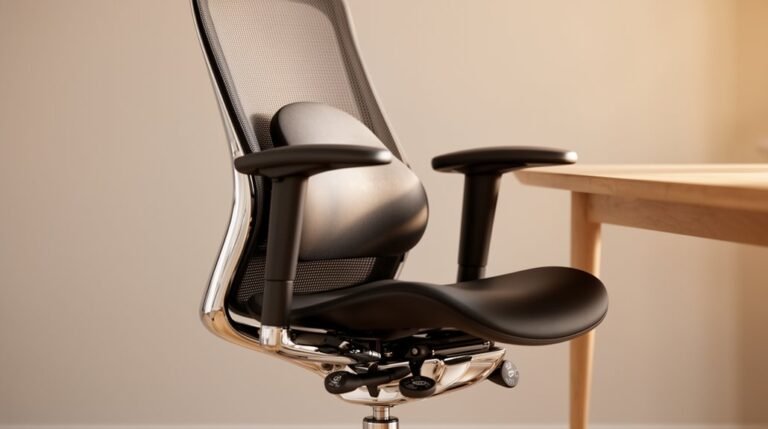
Adjustable seat height, backrest angle, and armrests accommodate various body sizes, preventing strain and ensuring proper posture. Additionally, stable wheels enhance safety by preventing falls. Organizations that implement ergonomic interventions report a 75% reduction in lost workdays and a 68% decrease in workers’ compensation costs, showcasing the effectiveness of ergonomic seating in injury prevention.
Health Benefits Linked to Ergonomic Seating
Investing in ergonomic seating markedly enhances various health benefits for users. Ergonomic chairs improve blood circulation by preventing pressure points, reducing numbness and swelling in your legs. Features like waterfall seat edges and adjustable seat depth facilitate healthy blood flow during prolonged sitting. This increased circulation boosts oxygen supply to the brain, enhancing cognitive function and reducing fatigue. Additionally, improved circulation from ergonomic chairs supports overall cardiovascular health, reducing the risk of varicose veins and related conditions.
Additionally, ergonomic seating supports musculoskeletal health by promoting proper posture and reducing static loading on the spine. Studies show a 62% reduction in musculoskeletal symptoms among users. By supporting natural spine curvature and minimizing discomfort, these chairs improve overall well-being.
Ultimately, ergonomic seating encourages engagement at work, leading to better mental health and fewer distractions throughout your day.
Financial Return on Investment for Businesses

The financial return on investment (ROI) for businesses implementing ergonomic seating solutions is significant and compelling. Ergonomic programs typically deliver returns of 3-6 times the initial investment over three years. For every dollar spent, you’ll gain $3 to $6 in cost savings and productivity increases.
Most companies see positive financial returns within 8-16 months. Organizations report a 15% productivity boost, translating to an average increase of $25,398 per employee annually.
Investments in ergonomic chairs also reduce turnover costs, enhancing employee retention and engagement. Additionally, companies experience a 32% decrease in healthcare costs related to work injuries, resulting in lower insurance premiums.
The Role of Ergonomics in Reducing Absenteeism
Workplace ergonomics plays an essential role in minimizing absenteeism caused by musculoskeletal disorders. Companies investing in ergonomic office furniture often see a 67% decrease in absenteeism due to these issues.
Ergonomic interventions, including thorough workspace redesigns, achieve up to a 40% pain reduction. Over a 36-week study, ergonomic chair interventions resulted in significant pain reductions in the neck, shoulders, and back. Long-term use of ergonomic furniture leads to lower rates of back pain and neck strain.
Additionally, research shows a 58% reduction in absenteeism at companies with extensive ergonomics programs. By addressing discomfort and preventing injuries, ergonomic solutions directly impact overall employee health and productivity in the workplace.
Enhancing Employee Satisfaction and Retention
When employees experience comfort and support from their seating arrangements, their satisfaction levels increase considerably. Ergonomic chairs contribute notably to retention and satisfaction, as evidenced by a 32% rise in employee satisfaction.
Here are three key benefits:
- Reduced Discomfort: Proper ergonomic support diminishes physical discomfort, enhancing overall work experience and satisfaction.
- Feeling Valued: Employees perceive ergonomic investments as an indicator of employer care, boosting morale and loyalty.
- Increased Engagement: Comfortable seating fosters alertness and reduces distractions, promoting higher engagement levels.
Ergonomic Interventions and Their Long-term Effects
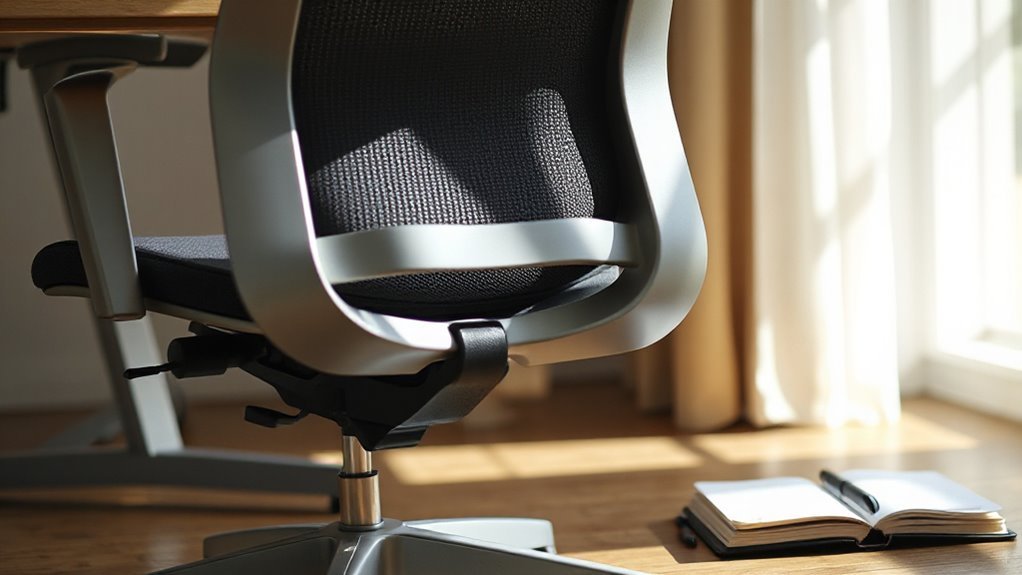
Implementing ergonomic interventions, particularly through the use of specialized chairs, can greatly impact employee health over time.
Research indicates that ergonomic task chairs, when properly selected and adjusted, considerably reduce back, neck, and shoulder pain. This reduction stems from improved postural support, countering the effects of poor seating design.
While chair interventions show promise in alleviating musculoskeletal disorders, long-term effects remain underexplored, with most studies limited to follow-ups of one year or less.
Additionally, prolonged sitting increases risks for cardiovascular disease and cognitive decline. As a result, addressing ergonomic needs isn’t just about comfort; it’s vital for maintaining overall health and productivity in the workplace.
Understanding these implications is essential for making informed decisions on ergonomic solutions.
Implementing Ergonomic Solutions in the Workplace
As organizations recognize the link between ergonomics and employee well-being, they’re increasingly seeking effective solutions. Implementing ergonomic interventions involves several key approaches:
- Participatory Ergonomics: Action groups identify workplace issues and propose solutions, addressing 147 problems with 145 solutions in some studies.
- Technical Sessions: These guide teams through ergonomic checkpoints across six domains, facilitating targeted solution development.
- Evaluation and Implementation: Solutions undergo feasibility assessments, with approximately 57.5% implemented, despite barriers like funding and planning.
The cost-to-benefit ratio for ergonomic interventions is 1:1.78, often yielding significant savings in injury-related costs.
Frequently Asked Questions
How Do Ergonomic Chairs Differ From Regular Office Chairs?
Ergonomic chairs differ from regular office chairs primarily in their design and adjustability. They feature customizable elements like adjustable seat height, lumbar support, and flexible backrests, which promote proper spinal alignment. Choosing the right ergonomic chair can significantly enhance productivity and comfort during long work hours. Understanding the office chair benefits for daily use is essential, as these chairs can help reduce the risk of back pain and fatigue. By investing in a quality ergonomic chair, you create a supportive environment that encourages better posture and overall well-being.
In contrast, regular chairs often have fixed components, lacking the necessary support for prolonged sitting. Ergonomic models use high-quality materials, like breathable mesh, ensuring comfort and durability, while standard chairs typically employ cheaper fabrics that may not provide adequate ventilation or support.
Are Ergonomic Chairs Suitable for All Body Types?
Yes, ergonomic chairs are suitable for various body types but not all fit everyone perfectly.
Studies show that mismatched chair dimensions can increase discomfort by up to 30%. Features like adjustable seat height, depth, armrests, and lumbar support help accommodate different users.
However, ideal fit depends on individual body shape and posture preferences. Therefore, selecting a chair that allows for personalized adjustments is essential for comfort and spinal alignment while sitting.
Can Ergonomic Chairs Be Adjusted for Individual Needs?
Yes, ergonomic chairs can be adjusted for individual needs.
Most feature adjustable seat height, allowing customization for different leg lengths.
Backrest angle adjustments provide personalized lumbar support, while seat depth adjustments cater to various torso lengths.
Mechanisms like three-lever and four-lever allow multiple adjustments for prolonged comfort.
Additionally, lumbar height adjustment targets lower back support, accommodating diverse body types and promoting better posture throughout extended sitting periods.
What Are the Environmental Impacts of Producing Ergonomic Chairs?
Producing ergonomic chairs considerably impacts the environment.
Deforestation for timber and mining for metals deplete natural resources. Manufacturing processes consume high energy, generating greenhouse gases.
Chemical pollution arises from material treatments, affecting air quality. Waste generation increases due to non-biodegradable packaging and premature disposal.
Low-quality chairs lead to higher carbon footprints from frequent replacements.
Choosing recycled materials can mitigate some of these impacts, promoting more sustainable practices in chair production.
How Long Does It Take to See Benefits From Ergonomic Chairs?
Duration for Benefits
You’ll typically notice benefits from ergonomic chairs within a few days to weeks. Proper lumbar support, adjustable height, and armrests reduce strain on your back and neck.
Studies show consistent pain reduction in as little as two weeks. Improved focus and cognitive performance may follow shortly after.
Ultimately, the timeframe can vary based on individual ergonomics and existing discomfort, but many users report enhanced comfort and productivity in a matter of days.
Conclusion
Ergonomic chairs greatly enhance workplace conditions. They reduce pain and injury, which helps foster productivity and supports overall health.
Research shows that businesses investing in ergonomic solutions often see a favorable return on investment, with reduced absenteeism and improved employee satisfaction.
As you implement these interventions, consider the long-term benefits. The coincidence of comfort and efficiency can create a more engaged workforce and ultimately impact organizational success.
Prioritizing ergonomics isn’t just a trend; it’s a strategic advantage.