Headrest Vs No Headrest on Office Chairs
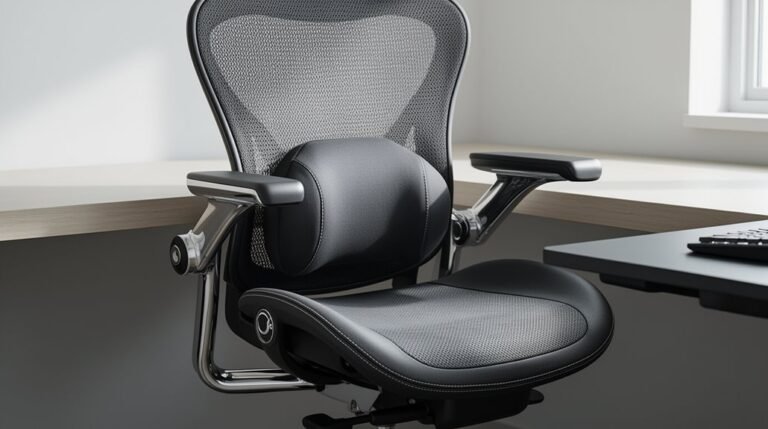
Headrest vs no headrest on office chairs matters for comfort and health. Using office chairs with a headrest provides several benefits over those without, including better support for the neck and shoulders and reduced muscle strain by as much as 54%.
A headrest helps promote proper posture and spinal alignment, lowering the risk of musculoskeletal disorders. This support can make long periods of sitting less taxing on the body.
Improved comfort from a headrest also reduces fatigue, which can boost focus and productivity during the workday. Without a headrest, chairs may contribute to poor posture, increased discomfort, and reduced efficiency.
Consider how a headrest impacts your workspace choices to find the best balance of comfort and ergonomics for your needs.
Benefits of Headrests for Neck and Shoulder Health
When you sit for long periods, having a headrest on your office chair can considerably enhance your neck and shoulder health. High-back chairs with ergonomic headrests reduce weight on your upper back and shoulders. This tension relief prevents fatigue and promotes proper weight distribution throughout your workday.
An effective headrest cradles your neck, alleviating strain and minimizing muscle tension buildup. Proper neck support maintains your spine’s natural curve, reducing slouching tendencies. Height-adjustable headrests accommodate various body types, ensuring correct alignment. This support also encourages better posture, enhancing overall spinal health.
Impact of Headrests on Musculoskeletal Disorders
Headrests play an important role in reducing the risk of neck and upper back musculoskeletal disorders by providing essential support during seated work.
Properly adjusted headrests support the head and neck, particularly in a reclined position, which alleviates strain on cervical and upper back muscles. They help distribute weight evenly across the upper, mid, and lower back, lowering muscle tension in the neck and shoulders. Moreover, studies indicate that poor posture is a significant catalyst for pain in various body areas, emphasizing the need for proper headrest use.
However, incorrect headrest design or positioning can lead to poor posture, exacerbating forward head posture, and increasing strain. Frequent forward reaching while reclined may also elevate the risk of upper extremity and neck strain.
Therefore, effective headrest use is vital for preventing musculoskeletal pain, particularly in users with spinal conditions needing reduced gravity postures.
Enhancing Productivity and Focus With Headrests
Utilizing a headrest in an ergonomic office chair considerably improves productivity by providing essential support for the head and neck. Headrests reduce muscle strain, helping maintain natural cervical spine alignment. This alignment minimizes fatigue, allowing you to concentrate longer on tasks without frequent breaks. Enhanced comfort promotes better blood circulation, which supports cognitive function and alertness.
Additionally, headrests encourage correct posture, preventing head tilt and reducing strain on the neck and shoulders. Proper posture decreases musculoskeletal fatigue, which can impair cognitive focus. Consequently, using a headrest can lead to significant productivity increases. Moreover, participants using ergonomic chairs reported lower pain and discomfort levels, further emphasizing the benefits of ergonomic design.
Economic Advantages of Ergonomic Chairs With Headrests
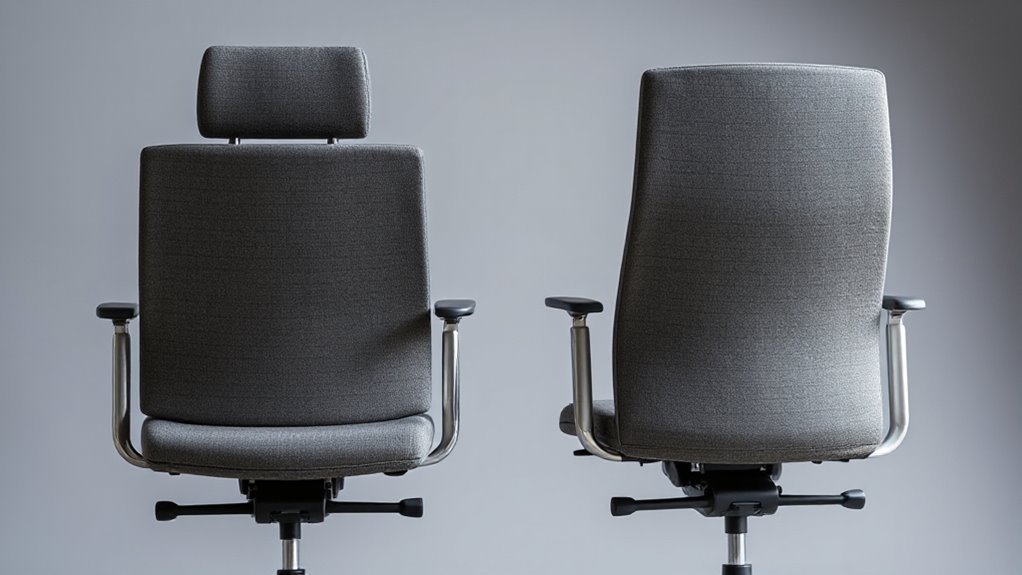
Investing in ergonomic chairs with headrests yields several economic advantages for both individuals and businesses. While these chairs typically range from $100 to $300, orthopedic models can reach $400, reflecting a higher initial investment. The adjustable headrest feature often increases prices by 15% to 25%.
However, they can reduce back pain by up to 54%, which may lower healthcare costs for users. Employees report a 65% drop in discomfort, decreasing absenteeism and boosting productivity. This improvement can lead to a 17% increase in overall work output.
Additionally, ergonomic chairs with headrests maintain higher resale values, allowing businesses to recoup costs effectively. Ultimately, these factors contribute to a favorable return on investment over time.
Importance of Posture Support in Office Chairs
When you choose an office chair, proper posture support greatly impacts your overall well-being and productivity.
Chairs with lumbar support maintain the natural curve of your spine, reducing strain on the lower back. This alignment helps prevent chronic conditions like back and neck pain, as well as musculoskeletal disorders.
Adjustable lumbar features accommodate individual spinal variations, enhancing comfort. Additionally, chairs that enable easy posture changes minimize static load on your spine, promoting better health.
The backrest shapes that mimic spinal curves guarantee consistent support during movement.
Ultimately, investing in ergonomic chairs correlates with reduced reports of back pain and lower risks of workplace injuries, making them essential for maintaining a healthy work environment.
Comfort and Fatigue Reduction With Headrests
Headrests on office chairs provide significant advantages in comfort and fatigue reduction during prolonged periods of sitting. They support your neck and head, alleviating stress on your neck and shoulder muscles.
This support reduces the likelihood of discomfort and prevents neck hyperextension during breaks. Properly adjusted headrests enhance blood circulation, improving oxygen levels to your brain, which increases alertness.
They also reduce muscle fatigue from extended sitting, creating a more comfortable work environment. By maintaining proper neck alignment, headrests decrease shoulder tension and wrist discomfort, allowing you to concentrate better.
Comparing Headrest and No Headrest: User Experience
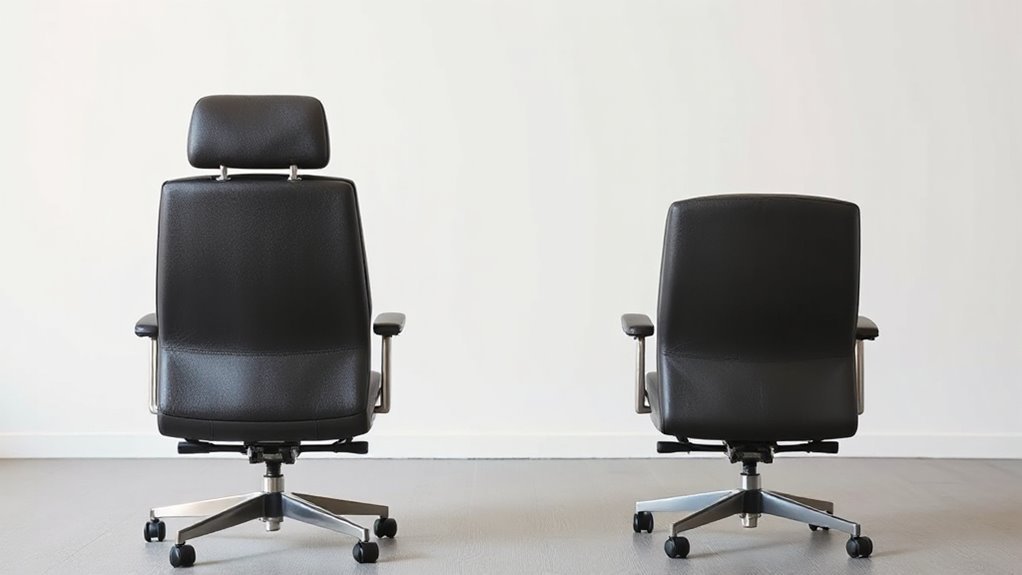
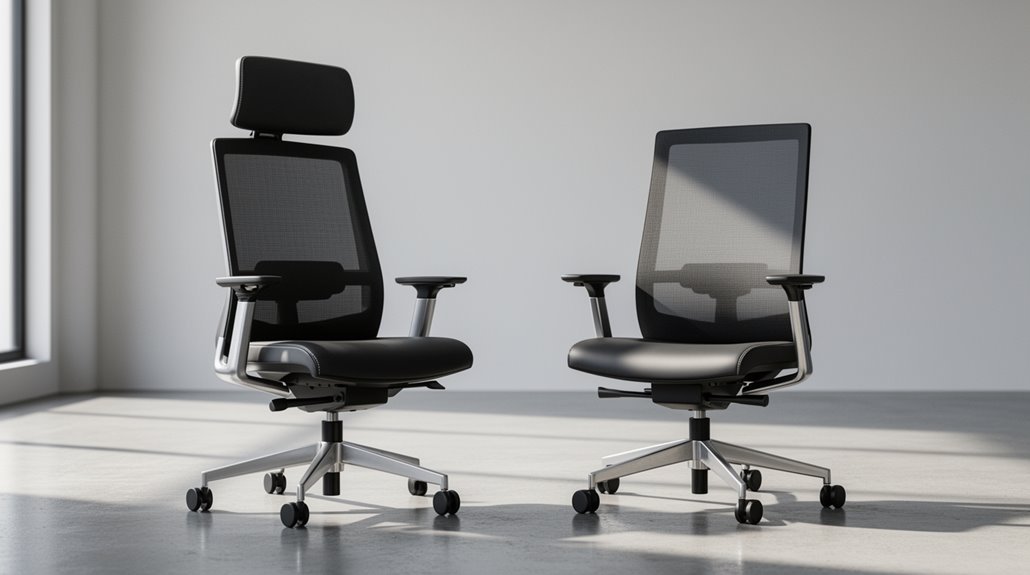
While both headrest and no-headrest office chairs serve distinct purposes, user experience varies considerably based on individual needs and tasks.
Headrests provide essential neck and shoulder support, reducing strain during extended use. Ergonomic designs maintain proper neck alignment with the spine, promoting healthy posture.
In contrast, chairs without headrests allow greater freedom of movement, encouraging dynamic sitting, which can enhance task adaptability. Users often find they maintain an active posture without a headrest, avoiding the slouching associated with leaning back.
However, headrests can minimize fatigue during long shifts, offering relief from muscle strain.
Ultimately, your choice will depend on whether you value stability and support or prefer flexibility and movement.
Making the Right Choice for Your Workspace
How do you determine the best office chair for your specific needs? Consider these factors:
- Usage Patterns: If you frequently recline or take breaks, a headrest can provide essential support for your neck and shoulders.
- Health Conditions: Pre-existing neck or shoulder issues often require additional support, making a headrest beneficial.
- Height Considerations: Taller users may need a headrest to maintain proper cervical spine alignment.
Evaluate your workspace environment. In flexible settings, headrests enhance comfort. However, in tight spaces, they might interfere with movement.
Additionally, adjustable headrests allow you to customize support, ensuring ideal alignment for various tasks. By reviewing these factors, you can select a chair that improves both comfort and productivity.
Frequently Asked Questions
Can Headrests Be Adjusted for Different User Heights?
Yes, headrests can be adjusted for different user heights.
Most office chairs feature a height adjustment mechanism, typically allowing a range of about 3 to 3.5 inches. You can control this via knobs or levers located on the headrest.
Proper positioning aligns the headrest with the base of your skull, ensuring ideal cervical support. This customization reduces discomfort and enhances ergonomics, especially in shared workspaces with varying user heights.
Are There Specific Headrest Designs for Different Chair Types?
Specific headrest designs cater to various chair types.
Executive chairs often feature larger, padded headrests for reclining comfort.
Task chairs sport slimmer designs, focusing on height adjustments for upright posture.
Mesh headrests enhance breathability in ergonomic chairs, while gaming chairs utilize memory foam for plush support.
Additionally, petite chairs incorporate smaller, adjustable headrests to fit snugly.
Each design addresses unique user needs, ensuring ideal support and comfort during use.
How Do Headrests Impact People With Existing Neck Injuries?
Headrests greatly impact individuals with existing neck injuries. They provide cervical support, aligning your head and neck with your spine, reducing muscle strain.
This alignment helps prevent forward head posture, which can worsen pain. Properly adjusted headrests minimize pressure on spinal discs, facilitating blood circulation and enhancing recovery.
However, if misaligned, headrests may increase discomfort. Consequently, verify adjustments cater to your specific injury needs for ideal relief and support during prolonged sitting.
Can Headrests Be Added to Existing Office Chairs?
Yes, you can add headrests to existing office chairs, but compatibility is essential.
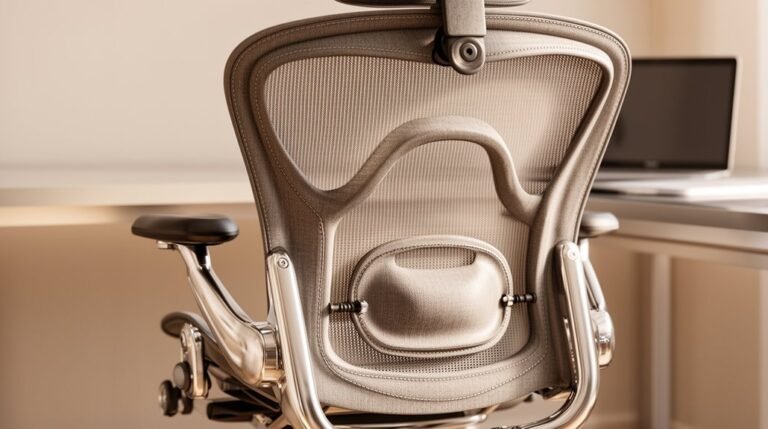
Most high-back or mesh chairs support universal headrests. You’ll find options with adjustable mounting brackets or clamps for easy installation.
Confirm your chair’s backrest structure accommodates these add-ons. Some aftermarket models offer height and tilt adjustments, enhancing comfort.
However, heads up—installation might void your warranty if modifications are needed, and not all chairs can securely fit a headrest.
What Materials Are Commonly Used in Headrest Construction?
Headrests typically use aluminum for lightweight frames, while steel provides robust support in high-end models.
Budget chairs often feature nylon or reinforced plastic.
Cushioning materials include high-density foam for firmness, with memory foam offering contouring benefits.
Upholstery options range from breathable mesh to easy-to-clean leather.
Each material enhances comfort, durability, and support, ensuring your headrest serves its purpose effectively during prolonged use.
Conclusion
When choosing between an office chair with a headrest and one without, consider the subtle but important effects on your well-being.
A headrest can improve neck support, reduce fatigue, and encourage better posture.
Though it may seem like a minor feature, these benefits can boost productivity and support long-term health.
Carefully weigh your options — the right choice can make your workspace more comfortable and efficient, helping you stay productive day to day.