Footrest Vs No Footrest: Does It Matter?
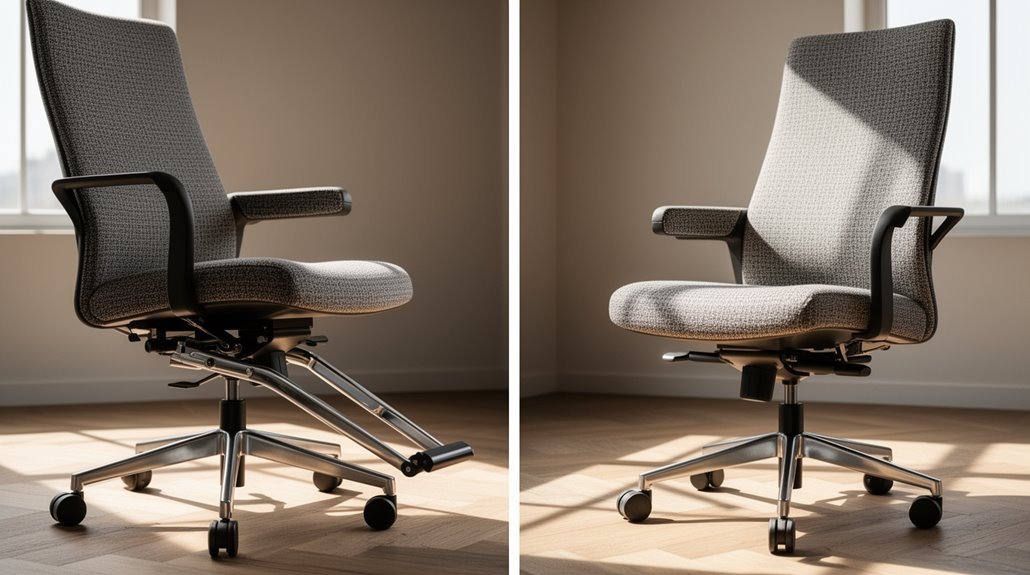
Footrest use greatly improves comfort and posture during prolonged sitting. A footrest promotes better circulation and reduces pressure on your feet and lower limbs, helping prevent numbness or swelling. footrest advantages for better posture extend beyond immediate comfort. By keeping your feet supported, a footrest encourages a more natural alignment of the spine, which can lead to fewer backaches over time. Additionally, using a footrest can enhance your overall productivity, as it allows you to focus better without the distraction of discomfort.
Proper foot support also maintains body alignment and minimizes stress on muscles. This can lower the risk of developing lower back pain by reducing strain on your spine and hips.
Without a footrest, you may adopt poorer posture and experience increased discomfort over time. Consider these benefits if you want to improve your overall well‑being while sitting for long periods. incorporating the ergonomic benefits of using a footrest can significantly enhance your workstation setup. By supporting proper alignment of your legs and feet, a footrest helps reduce strain on your lower back. This small adjustment can lead to improved focus and productivity throughout your workday.
The Importance of Proper Foot Support
When you prioritize proper foot support, you greatly enhance your overall physical well-being.
Proper foot support maintains the natural alignment of your feet, ankles, and lower limbs, reducing abnormal stress on muscles and tendons. Arch support distributes body weight evenly, preventing excessive pressure on the heels and balls, which can lead to pain and injury. Good arch support helps prevent overuse injuries like plantar fasciitis.
Correct alignment improves posture, decreasing strain on your knees and lower back. Additionally, maintaining foot structure prevents the collapse of arches, minimizing the risk of flat feet and related discomfort.
By providing adequate support, you enhance balance and stability, critical for both standing and dynamic movements.
Ultimately, investing in proper foot support leads to fewer injuries and improved functional performance in daily activities.
Benefits of Using a Footrest
Using a footrest can greatly enhance your comfort and productivity during extended periods of sitting. Here are some key benefits:
- Circulation improvement: A footrest helps reduce leg and ankle swelling by promoting better blood flow, especially when used at angles between 15-30 degrees. Additionally, good posture is supported by the use of footrests, which aligns the body for optimal functioning and health benefits.
- Musculoskeletal pain reduction: Proper foot support alleviates pressure on your sit bones and hamstrings, leading to decreased discomfort and quicker recovery from existing injuries.
- Enhanced weight distribution: By evenly distributing body weight across your feet, a footrest minimizes pressure concentration, preventing discomfort in seated positions.
Incorporating a footrest into your workspace can lead to a significant decrease in discomfort, allowing for improved focus and sustained productivity throughout your day.
Impact on Posture and Lower Back Health
Footrests can greatly influence your posture and lower back health during prolonged periods of standing.
Using a footrest at 10% of your body height helps maintain upper lumbar lordosis, reducing excessive lumbar flexion or extension. This positioning minimizes external moments on your lumbar region, potentially alleviating discomfort. Additionally, studies have shown that resistance footrest exercise can improve lumbar stability and posture among individuals with sedentary lifestyles.
However, while footrests may lower muscle fatigue in the lumbar erector spinae, they don’t completely prevent lower back discomfort. Studies show that discomfort tends to increase over time, regardless of footrest use.
Even with footrests, pain intensity is lower, especially for individuals with a history of back pain.
Ultimately, while footrests offer some benefits, they don’t eliminate discomfort entirely; the mechanisms behind lower back pain are complex and multifactorial.
Enhancing Circulation and Comfort
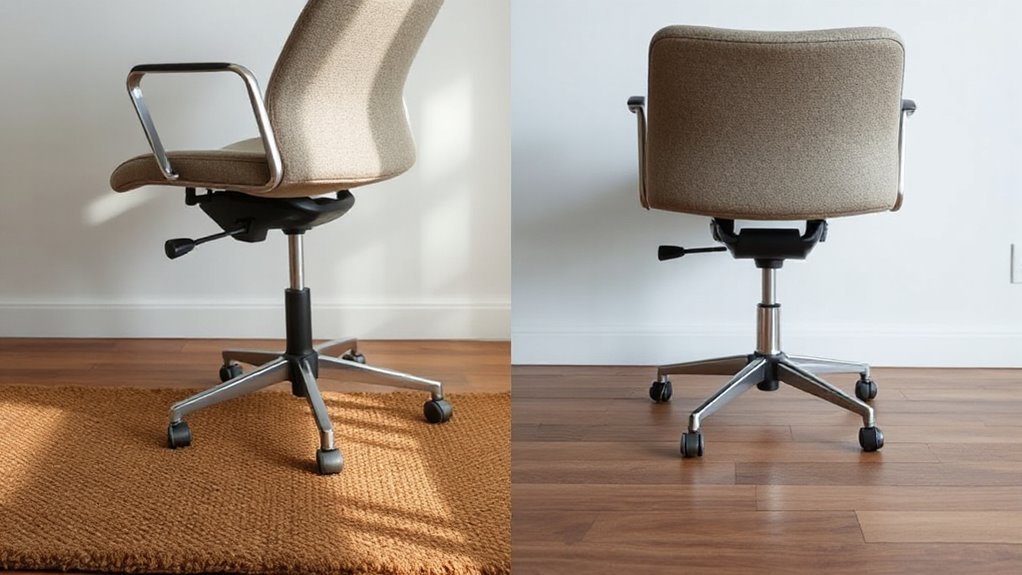
Enhancing circulation and comfort can greatly improve your overall experience during prolonged periods of sitting or standing.
Using a footrest encourages proper foot positioning, which increases blood flow. Here are some benefits:
- Improved Blood Flow: Angled footrests (15–30 degrees) promote oxygen-rich blood delivery to your lower extremities.
- Reduced Swelling: Proper elevation minimizes fluid accumulation, alleviating discomfort in your feet and legs.
- Enhanced Movement: Footrests allow micromotions, reducing blood pooling and fatigue during long periods of inactivity.
Boosting Productivity and Well-being
As you navigate the demands of your workday, the environment you create can greatly influence your productivity and overall well-being.
Using an ergonomic footrest helps you maintain proper seated posture, reducing the risk of low back pain. Poor posture leads to discomfort, which distracts you and decreases focus on tasks. Studies show that comfortable employees are more productive, achieving higher output.
Additionally, footrests enhance standing workstation usage by allowing weight shifting, which alleviates discomfort. A Texas A&M study found that only 50 percent of stand-biased desk users experienced lower back pain with footstools.
Investing in ergonomic furniture not only improves health but also benefits overall business success, minimizing absenteeism and maximizing operational outcomes.
Frequently Asked Questions
Can Footrests Be Beneficial for Short Individuals?
Yes, footrests can be highly beneficial for short individuals. They maintain an upright posture, reducing back strain and promoting spinal alignment by preventing dangling feet.
Footrests elevate your legs, enhancing blood circulation and reducing risks of discomfort, fatigue, and joint strain. They also help achieve the correct knee angle, easing pressure on knees and thighs.
How Do Footrests Affect Different Chair Types?
Footrests enhance various chair types by improving comfort and posture.
In ergonomic chairs, they support proper leg alignment, reducing strain on hips and knees.
Gaming and executive chairs benefit from built-in footrests that allow for customizable height and angle adjustments.
Lounge chairs use ottoman-style footrests for full lower body support, promoting relaxation.
Standalone footrests elevate feet, ensuring correct alignment for standard desk chairs, thereby enhancing overall sitting experience.
Are There Specific Footrest Designs for Standing Desks?
Yes, there are specific footrest designs for standing desks.
These footrests often feature adjustable heights, allowing you to customize the setup based on your stature. Many incorporate angled surfaces to promote stability and reduce leg fatigue.
Some designs include rocking mechanisms, which encourage micro-movements for improved circulation. Additionally, dual platforms let you rest each foot independently, enhancing comfort and maintaining ergonomic alignment during prolonged standing periods.
Do Footrests Help With Leg Cramps During Long Sitting Periods?
Footrests can help reduce leg cramps during long sitting periods.
Studies show that altering posture with a footrest promotes intermittent muscle relaxation and better weight distribution. This may decrease muscle fatigue, a common trigger for cramps.
While there’s no direct evidence linking footrests to reduced cramp frequency, their use can improve overall comfort.
Therefore, incorporating a footrest might be beneficial, especially for individuals prone to leg cramps during extended sitting times.
Can Footrests Be Used Effectively With Ergonomic Chairs?
Yes, footrests can be effectively used with ergonomic chairs. They enhance posture by promoting proper alignment, reducing slouching, and stabilizing the legs.
This support helps maintain a neutral pelvic position, preserving the lumbar curve and reducing back strain. Additionally, footrests improve circulation by alleviating pressure on the thighs, helping to prevent numbness and discomfort during prolonged sitting.
Using an adjustable footrest tailored to your height guarantees maximum ergonomic benefits.
Conclusion
Using a footrest can markedly improve your comfort and productivity.
Studies show that 70% of office workers experience lower back pain, which often stems from poor posture. A footrest promotes proper alignment, reducing strain on your spine.
It also enhances circulation, preventing discomfort during long hours of sitting.
By investing in a footrest, you’re not just improving your workspace; you’re actively supporting your health and well-being. Small adjustments can lead to substantial benefits over time.