Active Sitting: What Is It and Should You Try It?
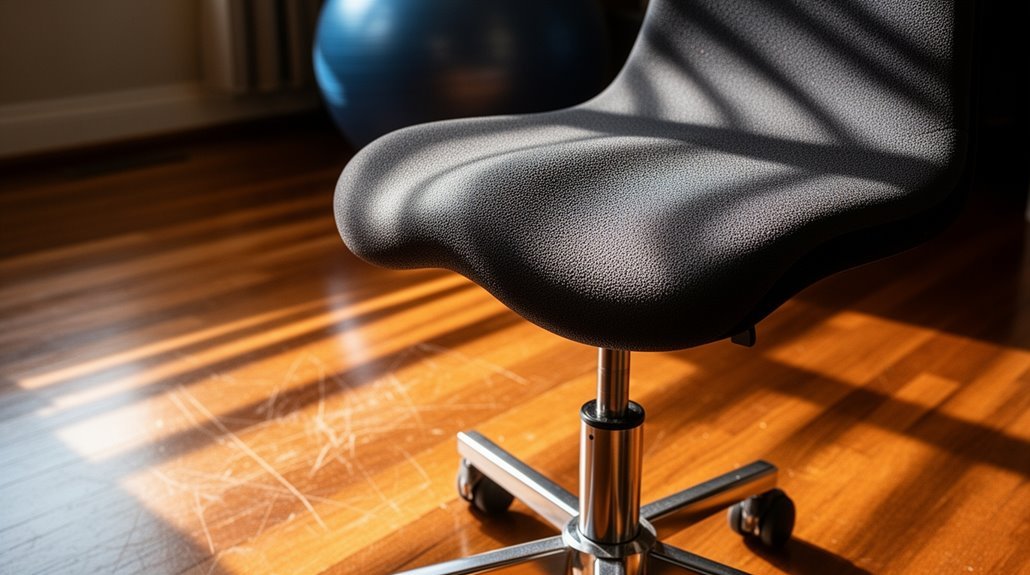
Active sitting is a dynamic seating approach that promotes movement while you’re seated. It uses specialized furniture to engage your core and enhance health.
Active sitting can improve cardiovascular function, increase calorie burn, and support spinal health. These benefits help reduce the risk of discomfort linked to prolonged sitting.
By incorporating micro-movements, like swaying, you can counteract the effects of static sitting. Active sitting may also help lower the chance of cognitive decline associated with long periods of inactivity.
Discover additional insights on how to implement active sitting effectively. Small changes in your seating setup can make a noticeable difference over time.
Definition and Concept of Active Sitting
Active sitting is a practice that encourages movement while you’re seated, often referred to as dynamic sitting. This concept promotes flexibility and movement in your seated posture, countering the negative effects of prolonged static sitting. Active sitting utilizes specialized furniture or seating modifications designed to allow your body to remain dynamic. Unlike static sitting, where rigid seating restricts movement, active sitting focuses on subtle, controlled shifts in posture. These adjustments mimic the natural postural changes that occur while standing or walking.
With active sitting, you engage core muscles and enhance circulation, aiming to reduce the adverse effects associated with immobility. By incorporating movement into your seating, you maintain muscle engagement and overall well-being. Additionally, active sitting products are designed to activate and strengthen back and core muscles, promoting proper alignment and posture through forward-tilted pelvic positions.
Physiological and Health Benefits
Active sitting improves cardiovascular function by increasing blood flow and oxygenation, supporting vascular health. Interruptions in prolonged sitting, such as light walking every 30 minutes, help maintain endothelial function. Additionally, you’ll burn about 1.5 more calories per session compared to traditional sitting, with a slight increase in heart rate and ventilation. This activity boosts mitochondrial function in muscle cells, enhances muscle quality, and supports endurance. Moreover, active sitting reduces risks associated with sedentary behavior, such as type 2 diabetes and cardiovascular diseases. By integrating movement into your sitting routine, you promote better health outcomes while minimizing risks linked to prolonged inactivity. Furthermore, engaging in moderate-to-vigorous physical activity for at least 150 minutes per week is essential to further mitigate the negative effects of prolonged sitting.
Impact on Posture and Musculoskeletal Health
The influence of active sitting on posture and musculoskeletal health is profound, as it promotes dynamic movement that counters the negative effects of prolonged static sitting. Active sitting enhances muscle activation, reducing stiffness in the lumbar and thoracic regions. This can lower susceptibility to low back pain and associated disorders. By encouraging dynamic spinal posture, active sitting minimizes sustained flexion, alleviating pressure on discs and ligaments. Furthermore, it promotes joint health through micro-movements that stimulate synovial fluid circulation. Regular muscle contractions maintain blood flow and oxygenation, which static sitting disrupts. Overall, adopting active sitting can considerably reduce the risks of chronic musculoskeletal issues and improve overall spinal alignment, benefiting those who spend long hours seated. Additionally, prolonged sitting is linked to increased muscle stiffness, which active sitting can help mitigate.
Effects on Mental Focus and Cognition
While sitting for extended periods, cognitive performance often declines due to reduced brain activity and blood flow. Active sitting counteracts this by incorporating movement, which improves executive functions, working memory, and attention.
Studies show that breaking up prolonged sitting with physical activity enhances reasoning and short-term memory. With active workstations, you maintain or even improve brain function compared to uninterrupted sitting.
Engaging in short bouts of activity during sedentary time increases cerebral blood flow, supporting memory and attention. Regular movement not only sustains activation in brain areas linked to cognition but also enhances neurotransmitter release, promoting better cognitive outcomes.
Consequently, adopting active sitting can greatly benefit your mental focus and overall cognitive performance.
Effects on Calorie Burn and Metabolism
Active sitting greatly enhances calorie burn and metabolism, making it a practical choice for individuals seeking to offset sedentary behavior.
By incorporating movement while seated, you can elevate your metabolic rate by 17% compared to traditional sitting. Additionally, using unstable surfaces, like stability balls, can increase caloric expenditure by 4.1 to 16.5 kilocalories per hour over standard chairs.
Here are three key points to evaluate:
- Active sitting can burn approximately 500 additional kilocalories over an eight-hour workday.
- Standing only increases caloric burn by 7% over sitting.
- Non-exercise active thermogenesis (NEAT) promotes spontaneous movement, enhancing overall energy expenditure.
Embracing active sitting can greatly impact your daily calorie burn and metabolic health.
Practical Recommendations for Incorporating Active Sitting
Incorporating active sitting into your routine requires careful selection and proper use of appropriate devices. Choose stability balls, wobble stools, or kneeling chairs that encourage micro-movements.
Select chairs that promote an open hip angle for pelvic tilt and spine alignment. Look for ergonomic designs to minimize discomfort during prolonged use. Position your pelvis with a slight forward tilt to enhance posture and engage core muscles.
Keep your feet flat on the ground for balance and circulation. Encourage subtle movements, like swaying or twisting, to prevent static loading. Gradually shift between traditional and active sitting, starting with shorter durations to adapt.
Finally, educate yourself on the benefits to maximize your experience with active sitting devices.
Limitations and Considerations for Active Sitting
Although active sitting can offer numerous benefits, it also presents several limitations and considerations that users must address.
Here are three key factors to keep in mind:
- Support and Comfort: Many active sitting chairs lack backrests, which may lead to discomfort and muscle strain during extended use.
- Muscle Fatigue: Constant engagement of muscles can quickly lead to fatigue, especially for those with lower core strength, limiting the effectiveness of active sitting.
- Existing Conditions: Individuals with knee or back pain may find certain active sitting options exacerbate their discomfort, as added pressure can worsen symptoms.
Understanding these limitations is essential for making informed choices about active sitting in your workspace.
Frequently Asked Questions
Can Active Sitting Prevent Long-Term Health Issues From Sedentary Lifestyles?
Yes, active sitting can help prevent long-term health issues from sedentary lifestyles.
By engaging core and leg muscles, you promote better blood circulation, reducing risks like deep vein thrombosis. Regular shifts in posture stimulate muscle engagement, enhancing metabolic rates and burning more calories.
Additionally, active sitting encourages proper spinal alignment, improving posture over time. Incorporating movement every 45-60 minutes counters the adverse effects of prolonged sitting, supporting overall health and well-being.
How Does Active Sitting Compare to Traditional Exercise?
Active sitting isn’t a substitute for traditional exercise. It increases your heart rate by 6–13% and burns 19–40% more calories per minute than static sitting.
While it promotes better posture and engages core muscles, it lacks the intensity of traditional workouts. Active sitting can enhance focus and alertness, but it won’t replace the cardiovascular and strength benefits you gain from dedicated exercise.
Use it as a supplement, not a replacement.
Are There Specific Chairs Recommended for Active Sitting?
You’ll find several chairs ideal for active sitting.
Active stools promote core engagement with micro-movements.
Kneeling chairs encourage an upright posture by balancing weight on shins and buttocks.
Balance ball chairs enhance core activation through dynamic adjustments.
Perch stools support interchange between sitting and standing.
Sway chairs allow side-to-side motion, improving posture.
Each chair features ergonomic designs, adjustability, and dynamic movement capabilities, making them suitable for various users and work environments.
Can Active Sitting Benefit Children and Students?
Active sitting markedly benefits children and students. It reduces sedentary time, promoting movement, and enhancing cognitive function. Research shows a 7-14% improvement in executive function and task productivity.
Additionally, alternative seating options like stability balls improve focus, especially for those with ADHD. Active sitting fosters a supportive classroom environment, encouraging social interaction and reducing stress.
Is Active Sitting Safe for Individuals With Back Problems?
Active sitting isn’t universally safe for individuals with back problems.
While it can enhance core engagement and posture, certain chairs, like balance discs, may exacerbate pain for those with pre-existing conditions.
Shifting to unstable surfaces can lead to muscle fatigue.
Core and kneeling chairs provide limited support, potentially causing discomfort.
It’s essential to consult a medical professional before trying active sitting, ensuring it aligns with your specific health needs and limitations.
Conclusion
Incorporating active sitting into your routine can transform your workspace into a dynamic environment.
This approach encourages movement and engagement, enhancing your posture and overall health.
By fostering better circulation and mental focus, you may find yourself more productive throughout the day.
However, consider your individual needs and any potential limitations.
As you weigh the benefits and challenges, remember that small changes can lead to significant improvements in your well-being.