Blue Light Glasses Vs Screen Filters
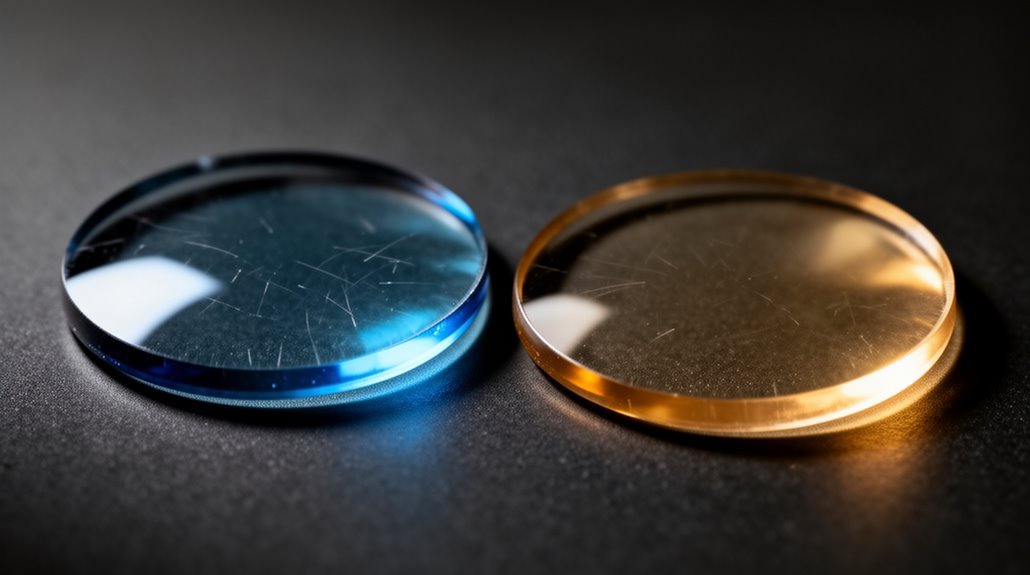
Blue light glasses vs screen filters serve different functions and use different technologies. Blue light glasses filter high-energy visible light, primarily between 400–450 nm, using absorption or reflection methods to reduce the amount of blue light reaching the eyes.
Screen filters, by contrast, often use micro-louver technology to minimize glare and protect privacy by limiting viewing angles. They change how a display appears from off-center angles and can reduce visible reflections.
Clinical studies show limited objective benefits from either option for relieving eye strain, so reported improvements may be subjective. Price ranges also differ: glasses typically cost $10 to $180, while filters are usually $20 to $50.
Consider these key differences, advantages, and potential visual impacts when choosing between blue light glasses and screen filters.
Understanding Blue Light Glasses
Blue light glasses are specialized eyewear designed to filter high-energy visible (HEV) light wavelengths between 380-500 nanometers.
Also known as screen glasses or computer glasses, they specifically target blue light emitted by digital devices, particularly wavelengths between 400-450 nm. These glasses utilize either absorption-based filtering materials within the lens matrix or surface reflection coatings.
You can find blue light glasses in various styles, from completely clear lenses to noticeably tinted amber or yellow options. Blue light is a significant contributor to visual discomfort, making these glasses increasingly popular among users of digital devices.
Absorption-based lenses block around 40% of blue light, while reflection-based coatings block 10-20%. Clear lens technology filters 20-30% without significant color distortion, making it suitable for extended wear. Enhanced tinted systems achieve higher filtration levels but may affect color perception.
How Screen Filters Function
Screen filters utilize micro-louver technology to enhance privacy and screen protection. This technology consists of microscopic vertical blinds embedded within the filter. These louvers restrict light direction, allowing clear visibility only from a narrow frontal angle. Typically, viewing angles are limited to +/- 30°, making the screen appear black or blurred from the sides. The effectiveness of these filters is significant, as they can reduce visual hacking risks by restricting screen visibility. The passive design requires no power and works with any device screen. Two-way privacy filters block left and right views, while four-way filters add louvers to block top and bottom views. Installation varies; adhesive filters use silicone for secure attachment, while non-adhesive models employ magnetic mechanisms for easy removal. Regular cleaning is essential to maintain clarity and functionality.
Effectiveness in Reducing Eye Strain
When evaluating effectiveness in reducing eye strain, both blue light glasses and screen filters present varying results. Research indicates both options may not greatly alleviate eye strain symptoms.
Here are key points to examine:
- Clinical trials show no notable difference in eye strain scores with blue light glasses versus clear lenses.
- Users subjectively report comfort improvements with both blue light glasses and screen filters.
- Screen filters may reduce glare, enhancing viewing comfort for extended screen time.
- Individual sensitivity to light and personal screen habits may affect perceived effectiveness. Additionally, blue light exposure can contribute to digital eye strain, making both solutions potentially relevant for users.
Ultimately, both solutions offer limited clinical support for objective eye strain reduction, yet users often find subjective relief through personal experience.
Therefore, your choice may depend on comfort preferences rather than definitive clinical evidence.
Cost and Investment Considerations
Cost and investment considerations play an essential role in choosing between blue light glasses and screen filters.
Blue light glasses typically require a one-time purchase, ranging from $10 to $180 based on brand and quality. High-end options offer better protection, blocking over 50% of harmful wavelengths.
In contrast, screen filters often have lower costs, including free software solutions and basic physical filters priced between $20 and $50. While blue light glasses can last for years, screen filters may need replacement due to damage. Additionally, software may require periodic updates.
Ultimately, consider the long-term value and protection levels, as cheaper options may not provide adequate blue light filtration, which could lead to additional costs in the future.
Visual Appearance and Color Accuracy
Understanding the visual appearance and color accuracy of blue light glasses and screen filters is essential for making an informed choice. The type of lens can greatly impact color perception and visual clarity.
Here are key points to reflect on:
- Clear lenses maintain natural color perception with minimal distortion.
- Tinted lenses, like yellow or amber, filter blue light but shift color accuracy, affecting professional tasks.
- Clear blue light glasses create a slight warm tint, while tinted options produce pronounced color changes.
- Screen filters integrated into devices preserve better color accuracy compared to lens solutions.
Key Differences Between Options
Both blue light glasses and screen filters serve a similar purpose of reducing blue light exposure, yet they differ markedly in several key aspects.
Scope of Protection: Glasses protect your eyes from blue light across all devices, while filters only work on the screen they’re attached to.
Effectiveness: Glasses filter a broader spectrum of blue light (400-570nm), blocking over 50% of it. In contrast, filters mainly target the 400-450nm range and may not block as much light overall.
Convenience: Glasses require no installation and are portable, while filters need to be applied and maintained.
Additional Protection: Filters can offer scratch resistance for devices, whereas glasses focus solely on eye protection.
Cost: Glasses involve a one-time investment, while filters may need replacement or updates.
Advantages of Blue Light Glasses
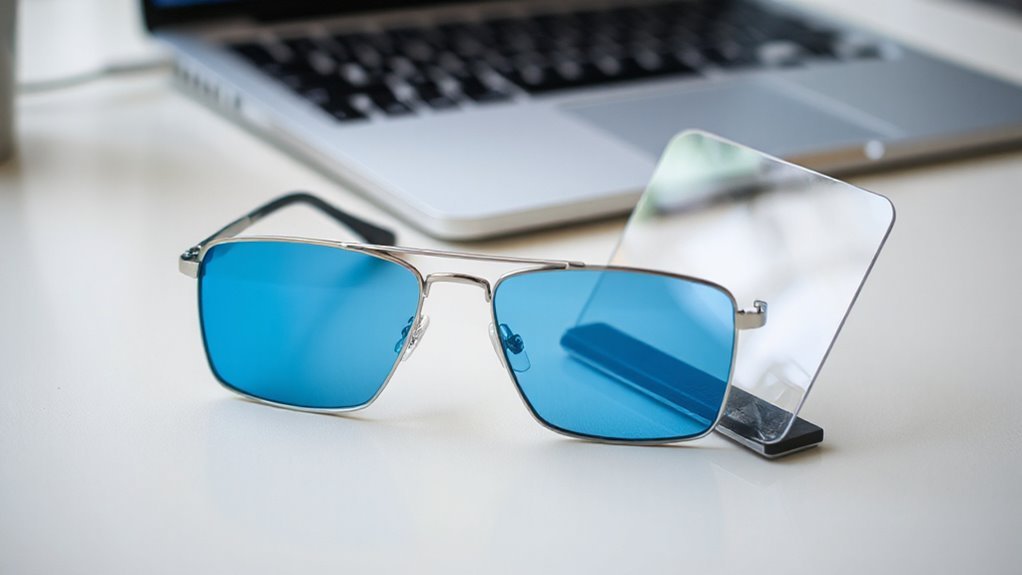
When you wear blue light glasses, you gain several advantages that enhance your digital experience. These glasses effectively filter harmful blue light, minimizing eye strain and discomfort.
They also assist in reducing glare and light sensitivity, which can lead to improved visual comfort during prolonged screen use. Here are some specific benefits:
- Decreased visual fatigue and discomfort during extended screen time.
- Reduced symptoms of dry eye by improving blink rate.
- Enhanced sleep quality by decreasing sleep latency, especially for those with irregular schedules.
- Portability, allowing consistent use across various devices without installation hassles.
Benefits of Screen Filters
Screen filters offer a range of benefits that enhance your viewing experience and protect your data. They block side viewing, safeguarding sensitive information from unauthorized eyes, which is vital in fields like healthcare and finance. These filters help comply with data privacy laws by preventing accidental exposure of confidential data.
Additionally, screen filters reduce glare and blue light exposure, decreasing digital eye strain symptoms for many users. They improve visibility in bright conditions, allowing for better color contrast and clarity, important for graphic designers and photographers.
Moreover, screen filters support ergonomic comfort by reducing neck strain and maintaining consistent screen clarity.
Finally, they protect your device from scratches and smudges, enhancing overall usability.
Frequently Asked Questions
Can Children Use Blue Light Glasses Safely?
Children can use blue light glasses, but safety remains uncertain.
Current research shows no conclusive evidence that these glasses prevent eye diseases or myopia progression. Prolonged use might affect eye development and color sensitivity.
It’s important to limit screen time, encourage outdoor activities, and maintain proper lighting during usage.
Annual eye exams are vital for detecting vision problems, as they provide more reliable assessments than relying solely on specialized lenses.
Do Blue Light Glasses Prevent Sleep Disturbances?
Blue light glasses don’t reliably prevent sleep disturbances. Some studies show minor improvements in sleep phase and daytime behavior, but results vary widely.
While wearing them may increase melatonin levels, other research finds no significant benefits for sleep quality. You might experience reduced irritability, but evidence is inconsistent.
Ultimately, their effectiveness depends on individual circumstances, and alternative strategies, like adjusting screen brightness, might be equally or more beneficial.
Are There Any Side Effects of Wearing Blue Light Glasses?
Wearing blue light glasses can lead to mild side effects in some users. Reports indicate that around 10% of wearers experience temporary headaches or discomfort.
These effects typically arise from wearing glasses rather than the blue light filtering itself. Studies show no significant deterioration in visual acuity or retinal health.
How Do I Clean Blue Light Glasses Properly?
Initial Rinse
Start by rinsing your glasses under lukewarm water to remove dust. Avoid hot water, as it can warp lenses.
Soap Application
Apply a tiny drop of mild dish soap. Gently rub both sides with your fingers.
Rinse Again
Rinse thoroughly to eliminate soap residue.
Drying
Use a clean microfiber cloth, wiping in a circular motion from the center out. Confirm complete drying to avoid water spots.
Store your glasses in a protective case.
Can Screen Filters Be Used on All Devices?
Screen filters can’t be used on all devices. They require exact size matching for proper fit and functionality.
Most filters come in various sizes, tailored for specific models like laptops and tablets. Touchscreen compatibility varies; some filters may hinder touch functionality.
Additionally, certain specialty devices, like large monitors or those with unique shapes, mightn’t have suitable options available. Always verify compatibility before purchasing to guarantee peak performance.
Conclusion
Both blue light glasses and screen filters offer unique benefits for reducing eye strain.
Blue light glasses block harmful wavelengths directly on your eyes, while screen filters adjust your screen’s output.
Consider your specific needs. If you prioritize convenience and portability, glasses might be the best option.
If you’re concerned about color accuracy for design work, filters could be essential.
Ultimately, the choice hinges on what you value most—comfort or precision. What will you choose?