Ergonomic Chair Vs Gaming Chair
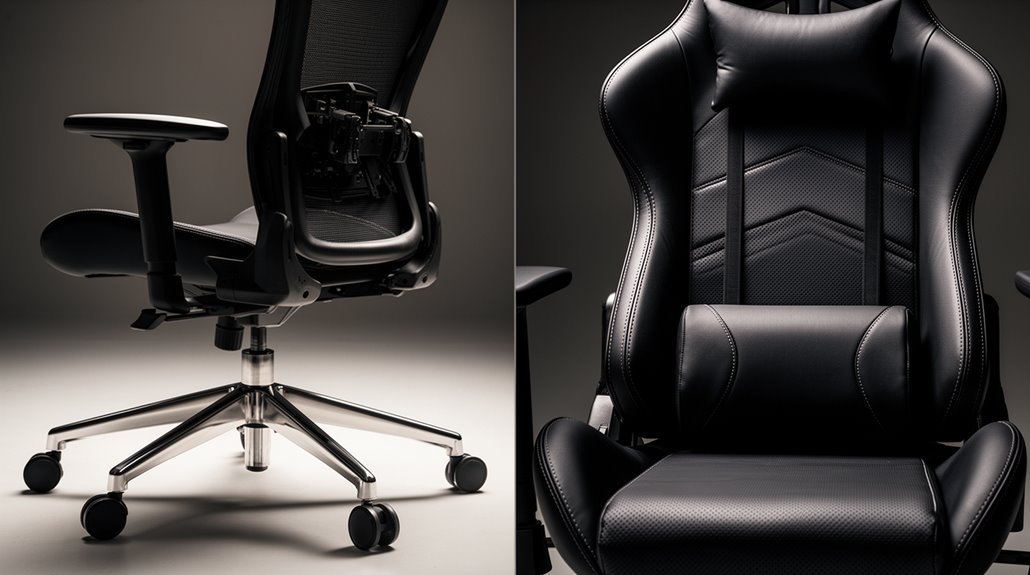
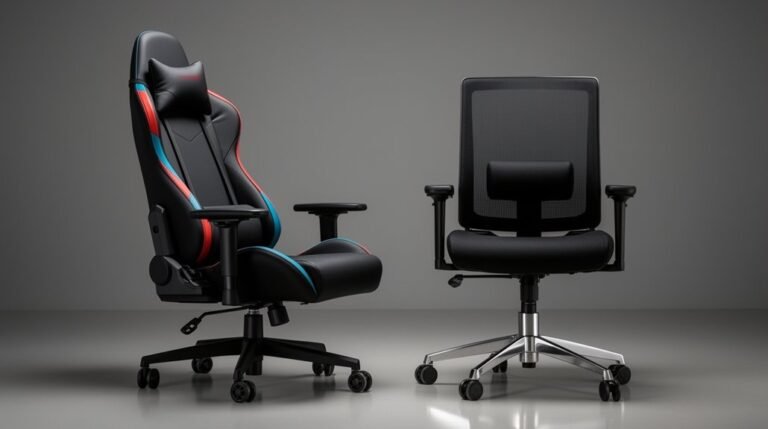
When comparing an ergonomic chair and a gaming chair, consider design aesthetics, comfort, and support. Ergonomic chairs feature minimalist designs and prioritize posture with adjustable lumbar support and high-density foam. In contrast, gaming chairs emphasize bold visuals and comfort but may lack superior support during long use.
Adjustability varies greatly between the two. Ergonomic models typically offer precise customization — height, tilt, armrests, and lumbar adjustments — so you can tailor the chair to your body and tasks. Gaming chairs often have fewer precise options, focusing more on style and padding.
Choose based on your primary use. If you sit for long work sessions and need posture-focused support, an ergonomic chair is usually the better choice. If you want a visually striking seat for shorter gaming sessions, a gaming chair may suit you. Many people overlook the ergonomic benefits of gaming chairs, which are designed to provide comfort during extended periods of use. With features like adjustable armrests and lumbar support, these chairs can help alleviate strain on your back and neck, making them a viable option for both gamers and professionals alike. Investing in a quality gaming chair could enhance your overall sitting experience, promoting better posture whether you’re gaming or working.
Design Aesthetics: A Visual Comparison
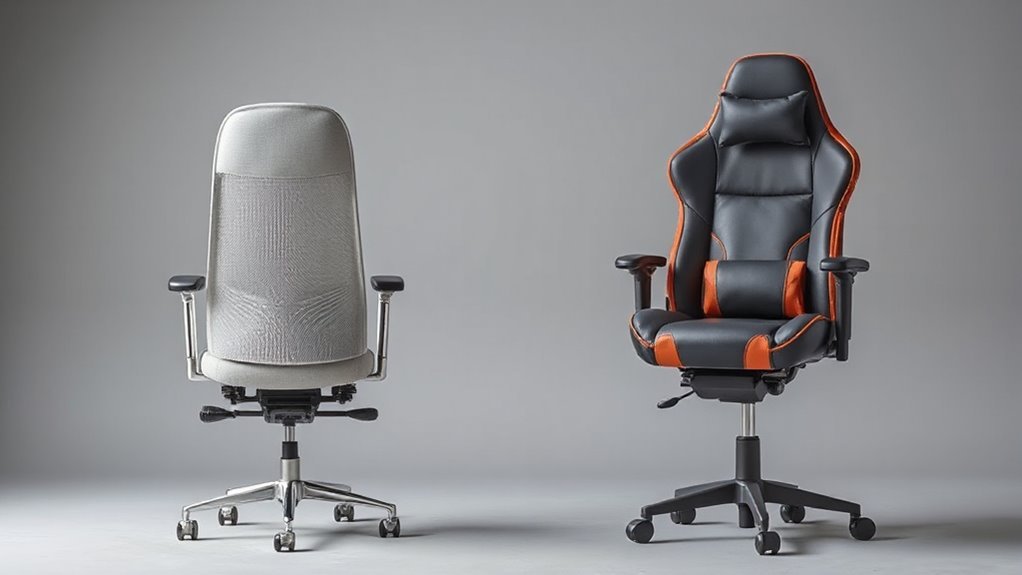
When comparing ergonomic chairs to gaming chairs, the visual style sets them apart considerably.
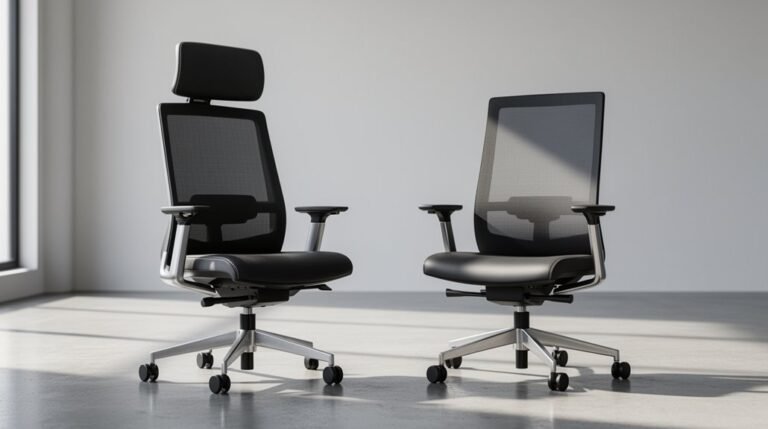
Ergonomic chairs typically feature minimalist designs that blend into professional office environments. Their neutral appearance prioritizes functionality and practicality, ensuring they fit seamlessly in corporate settings. This design approach is particularly important given that remote workers average 6.68 hours seated in an 8.07-hour workday.
In contrast, gaming chairs showcase bold aesthetics, resembling sports car seats with dynamic angular frames. They often incorporate vibrant color schemes and aggressive styling elements, creating an immersive atmosphere for gaming.
While ergonomic chairs maintain conservative color palettes, gaming chairs employ high-contrast color blocking and eye-catching designs.
Ultimately, ergonomic chairs focus on subtlety and integration, whereas gaming chairs emphasize visual impact and style, making them suitable for dedicated gaming spaces rather than professional settings.
Material and Build Quality: Comfort and Durability
The choice of materials and build quality greatly influences both comfort and durability in ergonomic and gaming chairs.
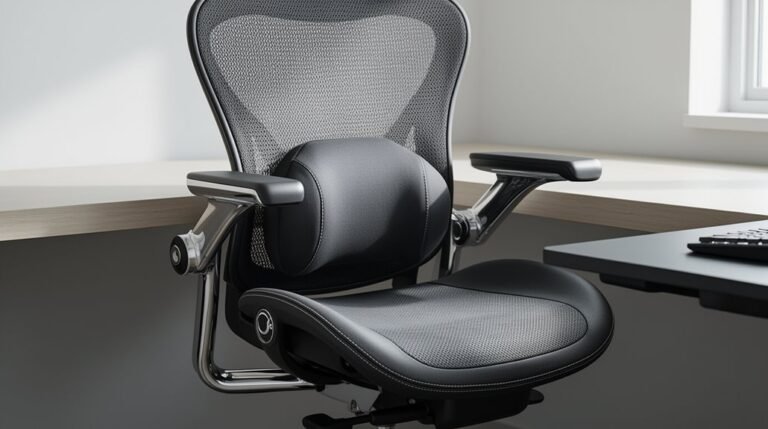
Ergonomic chairs typically use breathable mesh or high-quality fabric, enhancing airflow and reducing heat during long sitting sessions. In contrast, gaming chairs primarily feature PU leather or PVC, which are durable and easy to clean but can trap heat, leading to discomfort. Material and build quality significantly impact the overall user experience in both types of chairs. Padding in ergonomic chairs consists of firmer, high-density foam, promoting spinal health and even weight distribution. Gaming chairs often have thick, plush padding for immediate comfort, but this may create pressure points.
Regarding build quality, ergonomic chairs use durable frames for daily use, while gaming chairs focus on sturdy construction, which may not last as long in an office environment.
Adjustability and Features: Customization Options
Customization plays an essential role in ensuring comfort and support in both ergonomic and gaming chairs.
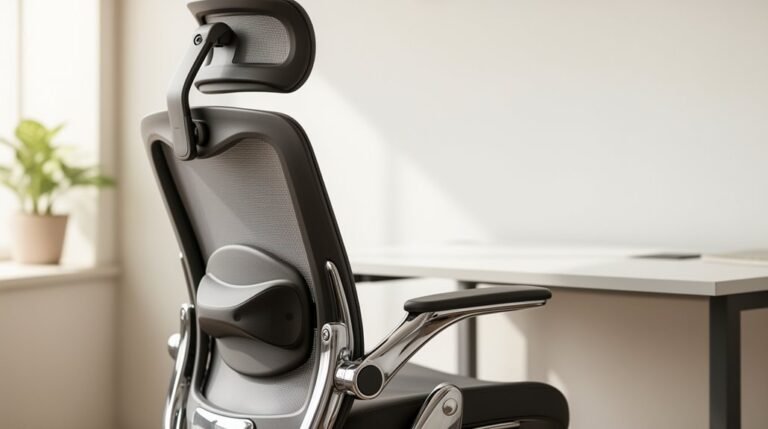
Ergonomic chairs often feature extensive adjustability, including 4D armrests and seat depth adjustments, catering to diverse body types. In contrast, gaming chairs typically offer 2D or 3D armrests, with limited seat depth options.
Recline mechanisms differ as well; ergonomic chairs utilize synchro-tilt for maintaining posture, while gaming chairs employ center-tilt, allowing extreme recline angles.
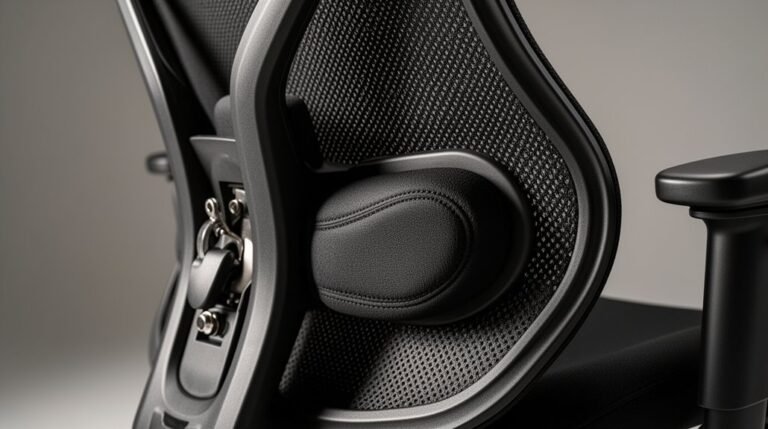
Lumbar support is another key difference; ergonomic chairs provide adjustable systems for spinal contouring, whereas gaming chairs often use removable lumbar pillows. Additionally, gaming chairs emphasize full-body support with removable neck and lumbar pillows, making them more suitable for short gaming sessions.
Both chair types allow for customization, but ergonomic chairs excel in precise adjustments for long-term use, making them suitable for various activities, from work to relaxation. the ergonomic benefits of office chairs go beyond comfort, as they significantly reduce the risk of strain and injury associated with prolonged sitting. Additionally, these chairs often feature lumbar support and adjustable heights, enhancing overall posture and productivity throughout the day. Investing in high-quality ergonomic options can lead to improved workplace satisfaction and better health outcomes for employees.
Support and Ergonomics: Focusing on Posture
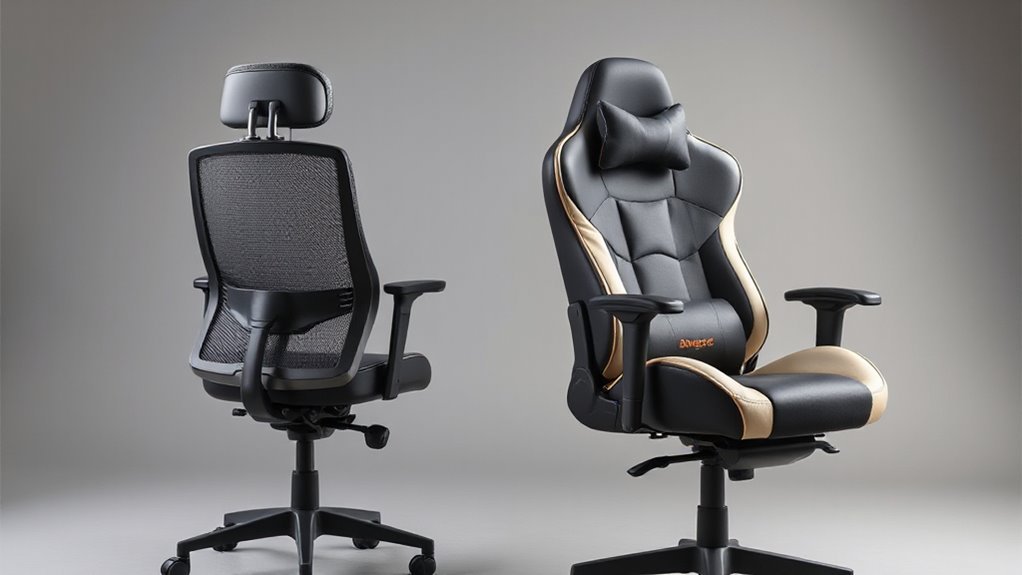
To maintain proper posture during long hours of sitting, the design of a chair greatly influences your spinal alignment and overall comfort.
Ergonomic chairs include integrated, adjustable lumbar support that conforms to your spine’s natural curve, promoting healthy posture. In contrast, gaming chairs often use detachable lumbar pillows, which may not offer consistent support due to shifting or flattening.
Moreover, ergonomic chairs utilize synchronized tilt mechanisms, allowing both the seat and backrest to recline together, maintaining an open hip angle. This design encourages movement and reduces spinal pressure.
Conversely, gaming chairs with center-tilt recline can disrupt posture, leading to potential discomfort. Overall, ergonomic chairs provide superior support, essential for long-term sitting comfort and health.
Target Audience and Use Cases: Who Benefits Most?
When considering who benefits most from ergonomic versus gaming chairs, various user groups emerge based on specific needs and environments.
Office Workers thrive in ergonomic chairs, which support long hours of desk work. Features like adjustable seat depth and tilt mechanisms enhance comfort and posture.
Gamers appreciate gaming chairs for extended sessions, benefiting from high backrests and adjustable armrests. Integrated lumbar support addresses neck and back discomfort common among 42% of collegiate esports athletes.
Remote Workers value ergonomic designs that reduce discomfort during long hours, while students find affordable options that serve both studying and gaming needs.
Lastly, healthcare professionals require task-specific ergonomic chairs that support repetitive movements and long shifts, promoting well-being and productivity.
Price and Value: Evaluating Your Investment
Evaluating the price and value of ergonomic and gaming chairs requires understanding how their features align with your specific needs.
Budget gaming chairs range from $100–$200, often using lower-quality materials, while mid-tier options cost $250–$500, offering improved adjustability and padding. Premium gaming chairs exceed $500, with enhanced ergonomics.
Conversely, budget ergonomic chairs start at $100 and feature basic adjustability. High-end ergonomic models can range from $500 to $2,000+, providing superior support and durability.
Generally, office chairs deliver better functionality for your investment, emphasizing health benefits and longevity.
Although gaming chairs may offer appealing aesthetics at lower costs, they often compromise on essential ergonomic features, potentially leading to more frequent replacements and lower long-term value.
Long-Term Comfort: Which Chair Prevails?
Long-term comfort in seating largely hinges on design features that promote proper posture and support during extended use.
Office chairs utilize high-density foam or breathable mesh, ensuring consistent support and reducing pressure points. Their dynamic lumbar support adjusts to your spine’s natural curve, minimizing lower back strain. With multiple adjustment points, you can customize the fit, enhancing your posture.
In contrast, gaming chairs often use thick padding that may lead to pressure points after several hours. Their bucket-style seats restrict movement, contributing to muscle stiffness.
Additionally, the lumbar support in gaming chairs is usually a removable pillow, which may shift over time, offering inconsistent support.
Style Versus Functionality: Finding the Right Balance
While both ergonomic and gaming chairs attract attention for their distinct designs, functionality plays a crucial role in their effectiveness.
Gaming chairs feature bold colors and racing-inspired designs, which appeal to younger users. However, they often lack advanced ergonomic features.
In contrast, ergonomic chairs prioritize adjustable lumbar support and synchro-tilt mechanisms, promoting proper posture and spinal alignment. They typically have a minimalist appearance, blending seamlessly into professional environments.
The materials differ too; ergonomic chairs use breathable mesh, while gaming chairs often employ less breathable vinyl or leather.
Ultimately, finding the right balance involves considering whether you value visual flair or long-term health benefits.
Prioritize functionality for improved comfort, especially during extended use.
Making the Right Choice: Factors to Consider
How do you decide between an ergonomic chair and a gaming chair? Start by evaluating your primary use case. If you need support for long hours of focused work, an ergonomic chair offers an S-shaped backrest that aligns with your spine.
Conversely, if you prioritize comfort during gaming, a gaming chair features plush padding and reclining capabilities.
Next, consider adjustability. Ergonomic chairs often provide customizable lumbar support and seat depth, accommodating various body sizes.
Gaming chairs, with removable lumbar pillows, may lack consistent support.
Finally, think about durability. Ergonomic chairs typically come with extended warranties and robust engineering, whereas gaming chairs might prioritize aesthetics over functional longevity.
Assess these factors carefully to make the right choice.
Frequently Asked Questions
Can I Use a Gaming Chair for Office Work?
Yes, you can use a gaming chair for office work, but it’s not ideal for long hours.
Gaming chairs prioritize style and short-term comfort, often lacking important ergonomic features like adjustable lumbar support and seat depth. They may restrict movement and promote poor posture.
If your work involves extended sitting, an ergonomic office chair provides superior support, breathability, and adjustability, helping you maintain productivity and comfort throughout the day.
Are Ergonomic Chairs Suitable for Gamers?
Yes, ergonomic chairs are highly suitable for gamers. They feature lumbar support, adjustable armrests, and high backrests, promoting proper posture during long sessions. This support reduces strain on your neck and back, minimizing discomfort.
Additionally, adjustable seat depth and reclining functions enhance circulation and muscle relaxation, essential for extended gaming. With these technical specifications, ergonomic chairs cater to gamers’ needs, ensuring comfort and improved performance while maintaining focus and reducing fatigue.
How Do I Maintain My Chair’s Materials?
Mesh Material Maintenance
Vacuum weekly with a soft brush attachment to keep it breathable.
Spot clean with a mild soap solution, testing first.
Avoid sharp objects to prevent snags.
Fabric Material Maintenance
Vacuum monthly and use a mild upholstery cleaner for stains.
Blot spills quickly to avoid deeper penetration.
Leather Material Maintenance
Dust daily with a soft cloth.
Clean with a damp cloth and condition every six months.
Frame and Caster Maintenance
Vacuum weekly, lubricate moving parts semi-annually, and check for loose components.
What Are the Best Brands for Ergonomic and Gaming Chairs?
Best Ergonomic Chair Brands
Herman Miller offers advanced lumbar support and breathable mesh.
Steelcase features dynamic seat adjustments and customizable armrests.
Haworth produces chairs with patented ergonomic technology.
Eurotech specializes in customizable ergonomic options.
BTOD provides both refurbished and new chairs with strong comfort ratings.
Best Gaming Chair Brands
Secretlab emphasizes ergonomic design and memory foam.
DXRacer features racing-style designs with adjustable pillows.
Noblechairs focuses on premium materials and aesthetics.
GTPlayer offers budget-friendly options with ergonomic support.
AndaSeat provides large chairs with advanced lumbar pillows.
How Do I Choose Between an Ergonomic and Gaming Chair?
To choose between an ergonomic and gaming chair, assess your primary use.
If you sit for long hours, prioritize ergonomic features like adjustable lumbar support, breathable mesh, and extensive adjustments for ideal posture.
For occasional gaming, consider comfort and aesthetics in a gaming chair.
Note that ergonomic chairs generally provide better support and durability.
Evaluate your budget, as mid-range ergonomic options often outperform similarly priced gaming models in functionality.
Conclusion
In conclusion, choosing between an ergonomic chair and a gaming chair requires careful consideration of several factors.
Ergonomic chairs prioritize support and posture, while gaming chairs often focus on style and aesthetics.
Assess your needs, such as adjustability and long-term comfort, before deciding.
Think of your chair as a foundation for productivity and leisure; both options have unique benefits.
Ultimately, the right choice enhances your experience, ensuring you work or play comfortably for extended periods.