When Do You Need a Footrest?

You need a footrest when sitting for long periods to improve circulation, reduce swelling, and maintain foot alignment. A footrest helps prevent pressure points that can cause discomfort or injury.
It supports your legs, promoting better posture and reducing strain on your back. This makes sitting for extended times more comfortable and can boost productivity.
A footrest is also beneficial for people with limited mobility, those managing contractures, or individuals with certain medical conditions. Below are more insights on useful footrest features.
Medical Necessity for Footrests
When you consider the medical necessity of footrests, you’ll find that they play an essential role in enhancing circulation and supporting postural health.
Footrests promote subtle foot movements, benefiting those with diagnosed circulation problems. By elevating feet, they help maintain even weight distribution, reducing pressure and improving blood flow. Proper foot positioning is crucial for overall ergonomics and posture, as it can significantly impact lower extremity health.
Dynamic footrests with textured surfaces stimulate blood flow, particularly for users with vascular insufficiency. Additionally, footrests can address contractures or spasticity by allowing proper foot positioning.
For wheelchair users, angle-adjustable footrests are important to accommodate limited range of motion. They can also include ankle straps to secure feet, providing necessary support and alignment.
Ultimately, proper footrest use is critical for overall lower extremity health and stability.
Edema Management and Swelling Reduction
To effectively manage edema, elevating affected limbs plays an essential role in fluid drainage and swelling reduction. By raising the swollen limb above heart level, gravity assists in fluid movement, enhancing drainage. You should aim for regular elevation sessions throughout the day, even during sleep, to maximize effectiveness. Positioning strategies like using a footrest or pillows help maintain elevation while seated or lying down. Additionally, manual edema mobilization can enhance lymphatic drainage and interstitial space, contributing to overall swelling reduction. Avoid prolonged sitting or standing without movement, as this can worsen edema by impairing venous and lymphatic return. Combining elevation with compression therapy further improves swelling reduction. Compression garments apply external pressure, aiding venous flow, while pneumatic devices offer significant support. Together, these methods form a thorough approach to effective edema management.
Contracture and Range of Motion Limitations
Contracture, a condition characterized by chronic joint immobility, arises from structural changes in non-bony tissues, including muscles and tendons. It typically results from prolonged immobility, upper motor neuron lesions, or trauma.
The affected joints, commonly hips, knees, and ankles, experience a measurable reduction in passive range of motion (PROM). This limitation can range from minor to severe, with increased mechanical resistance at the joint’s end range. Early intervention is crucial to prevent long-term disability.
Consequently, contractures impair daily activities such as dressing and walking, heightening the risk of falls. Evaluating PROM through slow, intermediate, and rapid speeds helps differentiate contracture from spasticity.
Understanding these factors is vital for developing effective prevention and management strategies to maintain joint mobility and functionality.
Foot Positioning and Alignment Issues
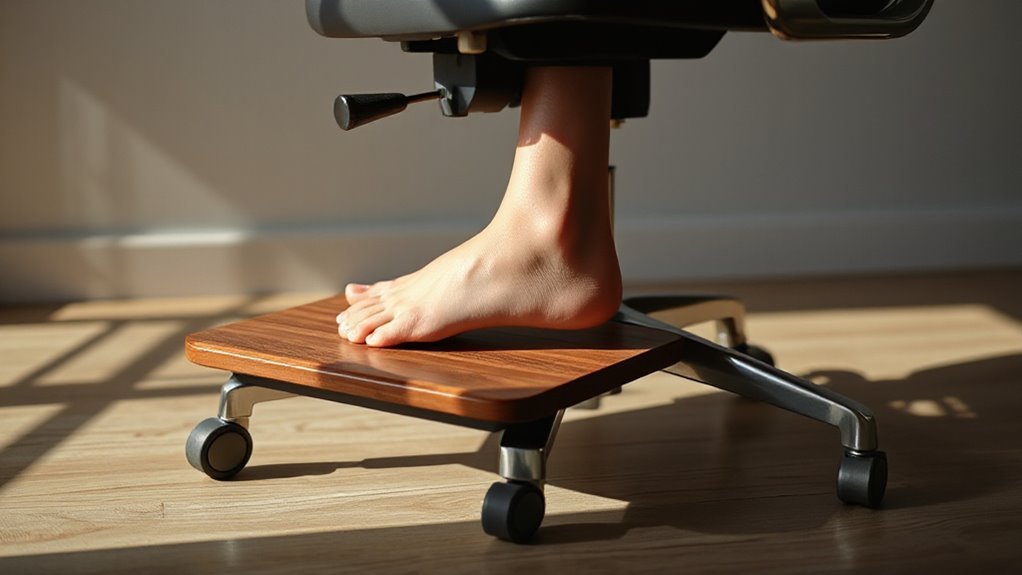
Proper foot positioning plays a critical role in maintaining alignment and stability throughout the lower extremities.
Modified tandem stance, where one foot is positioned forward, enhances center of pressure excursions, compared to side-by-side placements. The ideal hip-to-ankle excursion ratio, averaging around 3, effectively manages anterior/posterior perturbations.
Inversion and eversion of the foot greatly alter horizontal rotation angles in the shank and thigh. As the foot moves from neutral to inverted, tibiofibular angles increase, affecting overall alignment.
Furthermore, foot pronation is linked to medial tibia stress injuries and escalated hip joint loading. Understanding these dynamics helps you select appropriate foot positioning to enhance stability and reduce discomfort during standing or reaching tasks.
Protection From Injury and Pressure Relief
Understanding the link between foot positioning and injury prevention is essential, especially in environments where prolonged standing or sitting occurs.
Footrests offer critical support, reducing lower limb strain and preventing pressure points. This relief helps maintain proper posture, which can decrease back pain and improve overall comfort.
In workplaces, injuries from improper footwear can lead to significant costs, including lost workdays and high medical expenses.
OSHA emphasizes the need for protective footwear, which, when combined with footrests, enhances safety. Regularly using a footrest can lower the risk of musculoskeletal disorders, improve circulation, and boost productivity.
Investing in ergonomic solutions like footrests not only promotes comfort but also fosters a safer work environment.
Specialized Footrest Features for Complex Conditions
Specialized footrests cater to individuals with complex conditions, addressing specific needs that go beyond standard designs.
For circulatory issues, active footrests with rocking surfaces stimulate blood flow, while adjustable angles help reduce swelling. Elevated footrests prevent immobility, lowering the risk of DVT.
For orthopedic limitations, static footrests support users with tight hamstrings and offer customizable positioning for ideal alignment. Footrests designed for lower back pain support neutral pelvic positioning, reducing strain on the lumbar spine.
For plantar fasciitis, contoured surfaces provide targeted support, while adjustable features relieve symptoms.
Finally, wheelchair users benefit from elevating leg rests that accommodate various frame types, ensuring comfort and proper support.
Each feature enhances overall mobility and well-being.
Frequently Asked Questions
How Do I Choose the Right Footrest for My Wheelchair?
To choose the right footrest for your wheelchair, assess your leg mobility and positioning needs.
Consider adjustable angle footrests for limited movement or standard footrests for active legs. Guarantee the footrest length matches the distance from your knee to foot, preventing discomfort.
Evaluate features like swing-away designs for easier transfers, and check compatibility with your wheelchair model.
Prioritize stability and proper height to support your posture and reduce pressure risks.
Can Footrests Be Adjusted for Different Users?
Yes, footrests can be adjusted for different users. Height-adjustable models offer a range from 1.8 to 6 inches, catering to various heights.
Angle-adjustable options typically tilt between 0 to 12 degrees, ensuring ideal ankle alignment.
Split footrests allow independent positioning, accommodating individual leg lengths.
These features promote ergonomic alignment, reducing discomfort and enhancing circulation.
Ultimately, customizable settings make footrests suitable for a diverse range of users, improving overall sitting posture.
Are There Footrests Available for Pediatric Wheelchairs?
Yes, there are footrests available for pediatric wheelchairs.
You’ll find options like swing-away footrests for easy transfers and elevating legrests for comfort. These footrests often feature adjustable knee elevation and dynamic adjustments for growth.
Materials used include durable, non-toxic steel, ensuring safety and compliance. Many models include anti-tip designs and secure mounting systems.
You can access these specialized footrests through medical supply companies and online marketplaces tailored for pediatric needs.
What Materials Are Footrests Typically Made From?
Footrests typically consist of a variety of materials, each chosen for specific benefits.
Wood Types: Hardwoods like oak offer durability, while plywood and pine are budget-friendly.
Metal and Composite: Steel legs provide strength, and composite materials resist weather.
Upholstered Options: Foam padding enhances comfort, with fabric covers available for aesthetics.
Alternative Materials: Bamboo and recycled plastic offer eco-friendly options.
Each material serves a functional purpose, ensuring you find the right fit for your needs.
How Often Should Footrests Be Inspected for Wear?
Footrests should be inspected for wear at least bimonthly during regular use. This includes checking for signs of damage, loose components, or structural integrity issues.
Conduct these visual assessments during routine checks to catch potential hazards early.
Every quarter, perform a thorough review, examining all parts and replacing any worn-out components.
These regular inspections minimize risks and guarantee safety, maintaining the functionality and reliability of the footrests over time.
Conclusion
Using a footrest can greatly enhance comfort and health for individuals with specific needs.
Studies show that nearly 30% of wheelchair users experience foot-related complications due to improper positioning. Footrests aid in edema management, improve alignment, and prevent injuries.
For patients with complex conditions, specialized features can provide tailored support.
Evaluating your requirements is vital in determining the necessity of a footrest, ensuring both safety and comfort in daily activities.