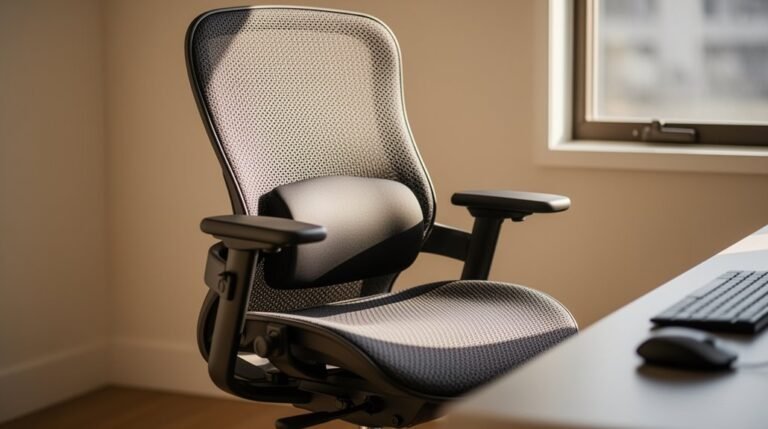
Ergonomic Chair Vs Regular Chair
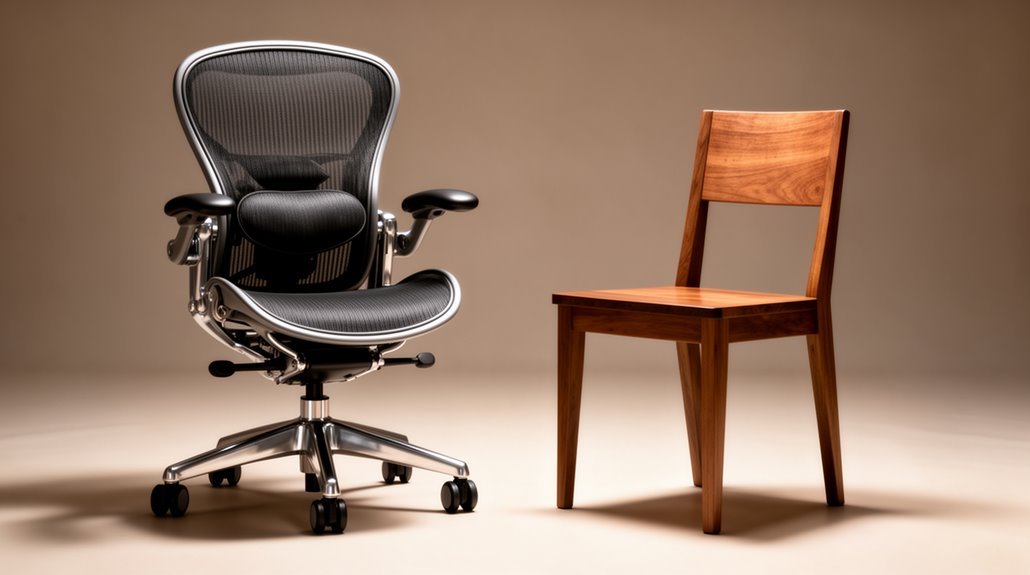
Ergonomic Chair vs. Regular Chair: Ergonomic chairs offer adjustable features for ideal comfort, including height, seat depth, and lumbar support, promoting better posture. These adjustable elements help tailor the chair to your body, reducing strain during long periods of sitting.
Regular chairs follow a one-size-fits-all design, focusing on basic functionality and aesthetics without a custom fit. They may be sufficient for short-term use but lack the support needed to prevent long-term discomfort.
Ergonomic options notably reduce musculoskeletal disorders and can enhance productivity by keeping you comfortable and focused. While regular chairs cost less upfront, ergonomic models often last longer and improve overall well-being. the benefits of using an ergonomic chair extend beyond physical health; they can also contribute to mental clarity and job satisfaction. By creating a workspace tailored to your needs, you can foster a more productive and enjoyable work environment. Investing in quality seating may lead to fewer disruptions and a more focused workflow, ultimately benefiting both employees and employers.
If you want to know more about choosing the right chair, keep exploring features like adjustability, build quality, and warranty to find the best match for your needs.
Design Philosophy: Ergonomics vs. Standardization
While both ergonomic and standard chairs serve the primary function of providing seating, their design philosophies differ considerably.
Ergonomic chairs prioritize human anatomy and biomechanics, aiming to minimize physical strain and support natural posture. They adapt to various body shapes, offering dynamic support for movement and posture changes. Research shows that ergonomic seating correlates with increased job productivity, demonstrating their effectiveness beyond mere comfort.
In contrast, standard chairs follow a one-size-fits-all approach, emphasizing mass production and cost efficiency. This results in limited adaptability, focusing instead on aesthetic uniformity and basic functionality.
Standard designs often neglect individual ergonomic needs, which can lead to discomfort and strain over time. Ultimately, ergonomic chairs offer a user-centric approach, while standard chairs adopt a more product-centric stance, impacting overall comfort and health.
Key Features of Ergonomic Chairs
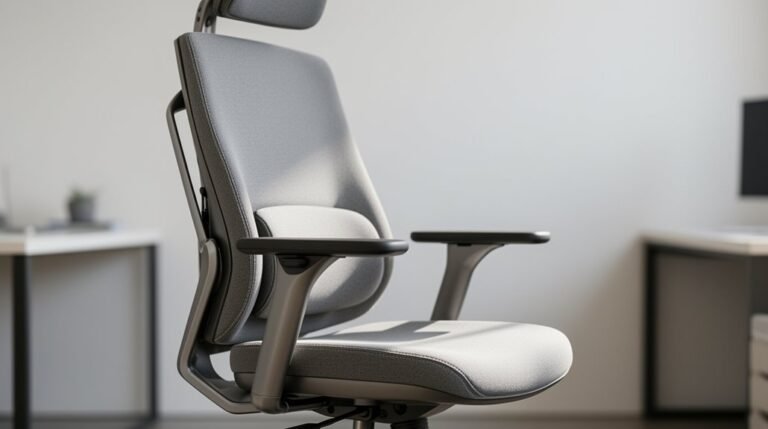
Ergonomic chairs incorporate several key features designed to enhance comfort and support during prolonged sitting.
Adjustable seat height allows your feet to rest flat on the floor while creating 90-110° angles at your knees and hips. The seat depth can also be adjusted, ensuring a 2-4 inch gap between the seat edge and the backs of your knees.
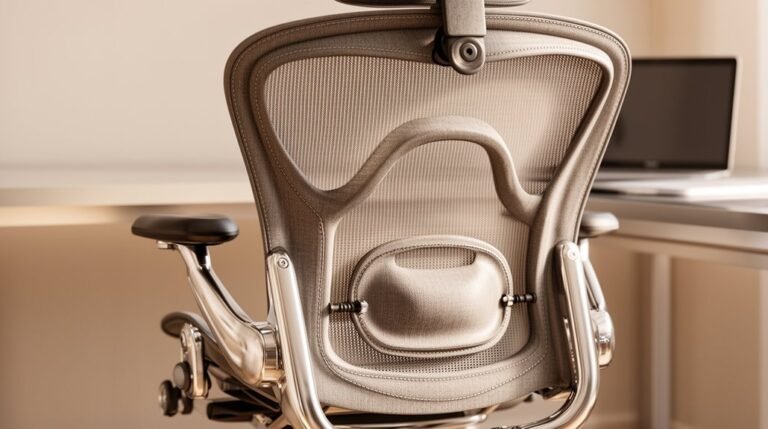
Lumbar support is height-adjustable, conforming to your lower back’s natural curve. Additionally, the backrest height and angle can be modified for ideal spinal alignment. Ergonomic chairs often feature heavy-duty construction which ensures long-lasting durability and support.
Armrests should adjust in height and width to keep your arms relaxed.
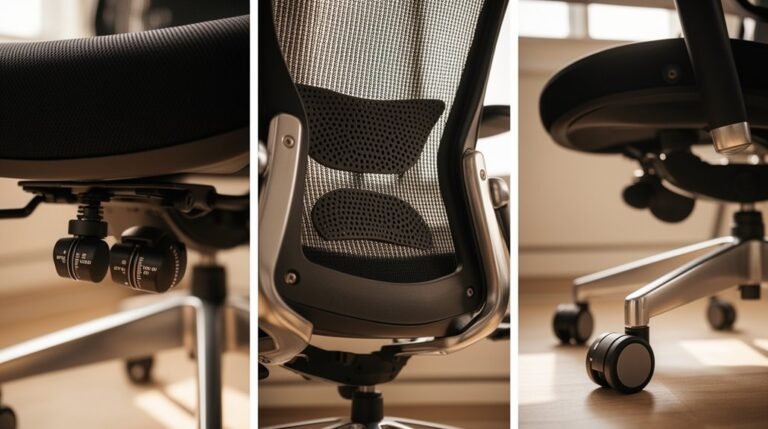
Finally, a five-star base and durable casters provide stability and easy mobility across various floor surfaces.
Health Benefits of Ergonomic Seating
When you choose ergonomic seating, you’re investing in your health and productivity.
Ergonomic chairs greatly reduce musculoskeletal disorders (MSDs) by up to 75% through proper lumbar support, which maintains your spine’s natural curvature. Adjustable features like seat height and armrests help alleviate neck, shoulder, and back pain. Moreover, this design helps prevent disc compression, reducing the risk of herniated discs and nerve-related pains.
Additionally, ergonomic seating promotes better circulation by eliminating pressure points, reducing the risk of numbness and varicose veins. Improved blood flow enhances oxygen delivery to your brain, which can decrease fatigue.
These chairs also encourage correct posture, leading to less chronic pain. By easing muscle tension, ergonomic seating contributes to your overall physical comfort, making your work environment more conducive to well-being and health.
Impact on Productivity and Focus

The impact of ergonomic chairs on productivity and focus is significant, as they provide essential support for your body during long hours of work.
Studies show an increase in productivity by 15% to 20% with ergonomic chairs, due to improved posture and reduced discomfort. This enhanced comfort leads to fewer distractions, allowing for sustained concentration.
Proper arm and back support minimize the need for constant adjustments, fostering uninterrupted focus. Additionally, ergonomic chairs promote better circulation, reducing restlessness and maintaining mental alertness.
With less physical strain, you’ll experience decreased fatigue, which translates to higher job satisfaction and engagement.
Durability and Longevity Comparison
Considering the differences in construction and materials, it’s clear that ergonomic chairs greatly outperform regular chairs regarding durability.
Ergonomic models use high-quality materials like breathable mesh and steel frames, providing superior resistance to wear. In contrast, regular chairs often feature cheaper fabrics that degrade more quickly. High-density foam in ergonomic chairs maintains its shape longer than the lower quality cushioning found in standard options.
Moreover, ergonomic chairs are built with precision engineering, ensuring sturdy joints and reinforced components that withstand daily use.
Their adjustable features are made with durable hardware, unlike the often basic adjustments in regular chairs. These factors contribute to a longer lifespan, making ergonomic chairs a more reliable choice for extended use.
Cost Considerations and Value Assessment
While you might find regular chairs appealing due to their lower upfront costs, the long-term value of ergonomic chairs often outweighs initial savings.
Regular chairs typically range from £50 to £200, but they may last only two years, averaging £75 per year. In contrast, ergonomic chairs start at £200 and can exceed £1,000, yet they often last ten years, costing around £60 annually.
Even budget-friendly ergonomic options provide essential support for £100 to £300. Investing in higher-quality ergonomic models reduces healthcare costs related to musculoskeletal disorders.
For full-time workers or those with back pain, ergonomic chairs offer essential features like adjustable lumbar support, justifying their higher price through improved health and productivity over time.
Choosing the Right Chair for Your Needs
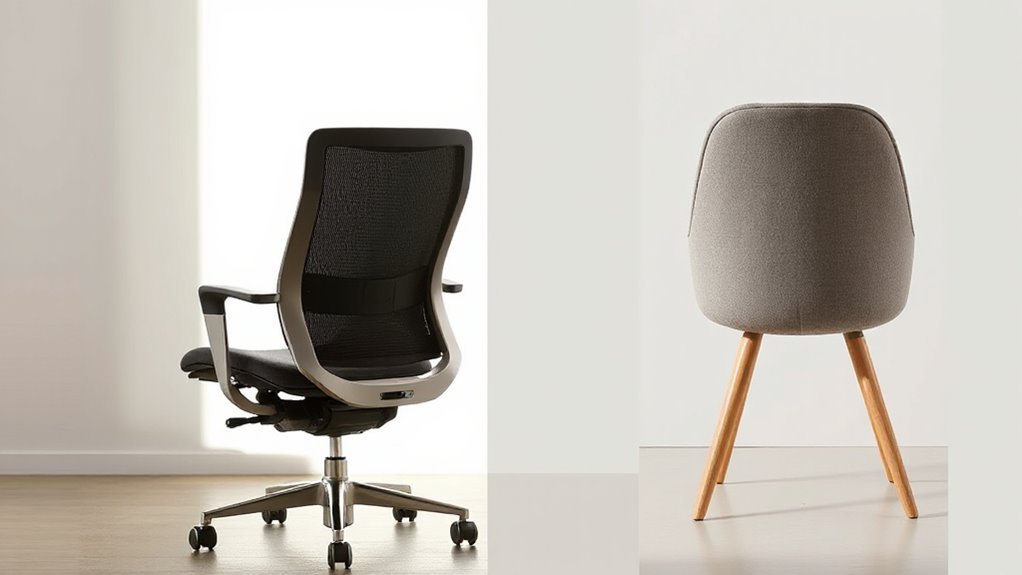
Selecting a chair that meets your specific needs involves evaluating various features and functionalities. Look for ergonomic chairs that offer adjustable lumbar support, seat height, and armrest positioning. These features support proper posture and spinal alignment, reducing strain and discomfort.
Regular chairs often lack these adjustments, leading to poor posture and increased risk of musculoskeletal issues.
Consider material quality as well; ergonomic chairs use durable fabrics and high-density foam, enhancing long-term comfort. Additionally, adjustable elements allow for dynamic sitting, adapting to your body’s requirements throughout the day.
Regular chairs typically offer minimal customization, limiting their effectiveness. Ultimately, prioritize chairs that provide tailored support to enhance productivity and comfort in your workspace.
Frequently Asked Questions
Can Ergonomic Chairs Accommodate Users of All Sizes?
Yes, ergonomic chairs can accommodate users of various sizes, but not all models fit everyone.
Standard ergonomic chairs typically support users between 5’0″ and 6’2″ (152–188 cm) tall. For larger individuals, specialized chairs offer extended backrest heights and wider seat widths.
Adjustable features, such as seat height and lumbar support, enhance customization, allowing better fit for diverse body types. However, custom chairs may be necessary for those outside standard size ranges.
How Do I Clean and Maintain an Ergonomic Chair?
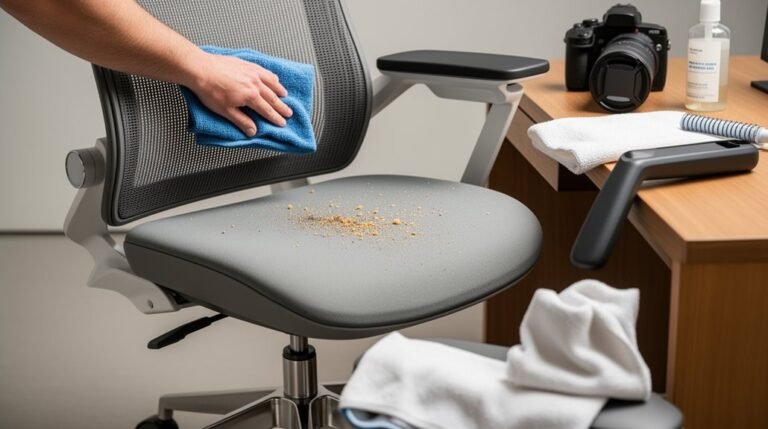
To clean your ergonomic chair, start weekly by vacuuming with a soft brush attachment.
Focus on crevices and seams to prevent dirt buildup.
For spot cleaning, use a damp cloth with mild soap for mesh, or warm water and mild detergent for fabric.
Wipe hard surfaces with a damp cloth and keep high-touch areas sanitized.
Establish a routine for maintenance, inspecting components regularly to guarantee functionality and cleanliness.
Are Ergonomic Chairs Suitable for Short-Term Use?
Ergonomic chairs aren’t ideal for short-term use. They’re engineered for prolonged sitting, so their features become unnecessary if you’re only sitting briefly.
Regular chairs suffice for quick tasks, providing comfort without the extra cost. Studies show no significant health benefits for short-term users; discomfort from regular chairs resolves quickly.
Investing in an ergonomic chair for occasional use doesn’t justify the expense, especially since both options offer similar comfort levels for short durations.
Do Ergonomic Chairs Come in Different Styles or Designs?
Yes, ergonomic chairs come in various styles and designs.
You’ll find executive chairs with high backs for neck support, task chairs designed for flexibility, and mesh-back options for breathability.
Kneeling chairs promote an open hip angle, while drafting chairs suit higher desks with adjustable heights.
Each type features adjustable seat height, lumbar support, and armrests, allowing you to tailor the fit for ideal comfort and posture during extended use.
Can I Use an Ergonomic Chair Without a Desk?
Yes, you can use an ergonomic chair without a desk.
These chairs offer adjustable features, like seat height and lumbar support, ensuring comfort for various activities. Whether you’re reading or watching TV, their design promotes better posture.
The materials used, such as breathable mesh, enhance comfort during extended sitting. Ergonomic chairs adapt to your body, reducing strain and fatigue, making them suitable for a variety of non-desk environments.
Conclusion
In conclusion, choosing between an ergonomic chair and a regular chair involves several considerations. One important aspect to consider is the differences between office and ergonomic chairs, as each type serves distinct purposes. While office chairs might suffice for occasional use, ergonomic chairs are designed for prolonged sitting, offering better lumbar support and adaptability. Ultimately, the investment in an ergonomic chair can lead to improved comfort and productivity in the long run.
Ergonomic chairs often feature adjustable components that promote better posture. Research shows that using ergonomic seating can reduce back pain by up to 40%.
While ergonomic chairs typically cost more, their health benefits can lead to long-term savings on medical expenses.
Ultimately, selecting the right chair hinges on your specific needs, workspace, and budget, ensuring comfort and support for daily tasks.