Can an Ergonomic Chair Help Back Pain?
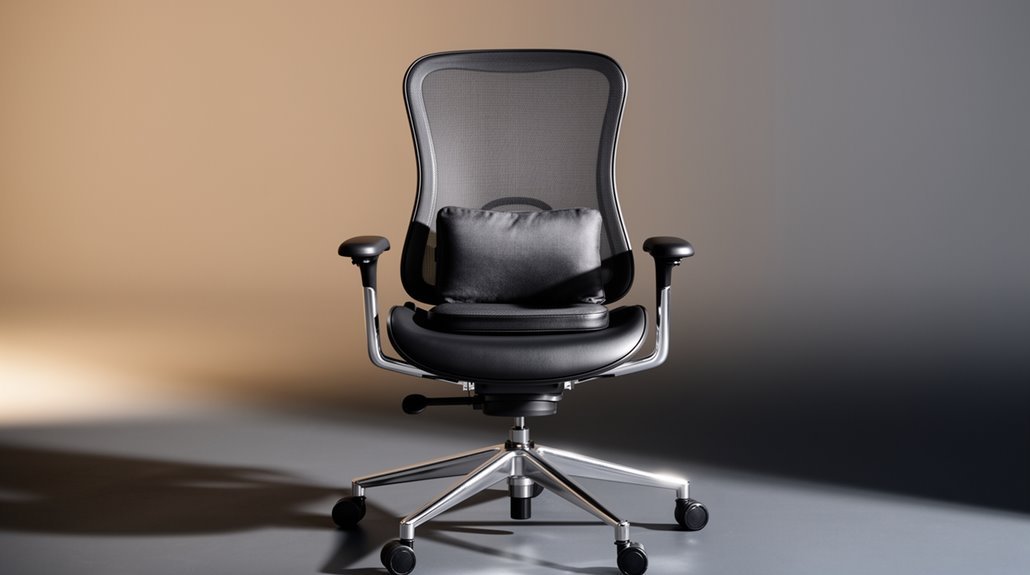
Ergonomic chairs can help reduce back pain through features like adjustable lumbar support, seat height (typically 16 to 21 inches), and customizable backrests. These adjustments encourage better posture and spinal alignment, which can relieve some discomfort.
However, research shows mixed results for long-term pain reduction, particularly in office settings. While many people experience immediate comfort benefits, the effectiveness of an ergonomic chair varies between individuals and depends on proper use and additional factors like movement and overall workstation setup. the ergonomic benefits of specialized office chairs extend beyond immediate comfort, potentially enhancing productivity for users who maintain proper posture. Additionally, choosing a chair that supports individual body types and work habits can lead to long-lasting improvements in well-being. Ultimately, the right office chair can play a crucial role in fostering a healthier work environment.
If you explore further, you’ll find more guidance on chair selection and ergonomic principles to maximize potential benefits.
Understanding Ergonomic Chairs and Their Design Features
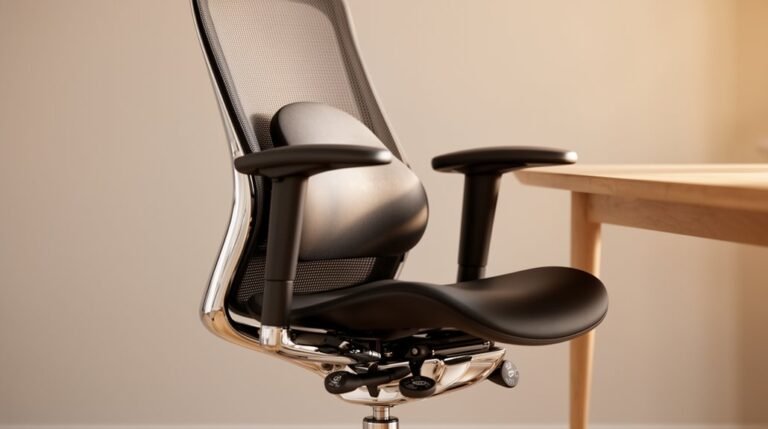
When you consider an ergonomic chair, you’ll notice several essential design features that prioritize comfort and support.
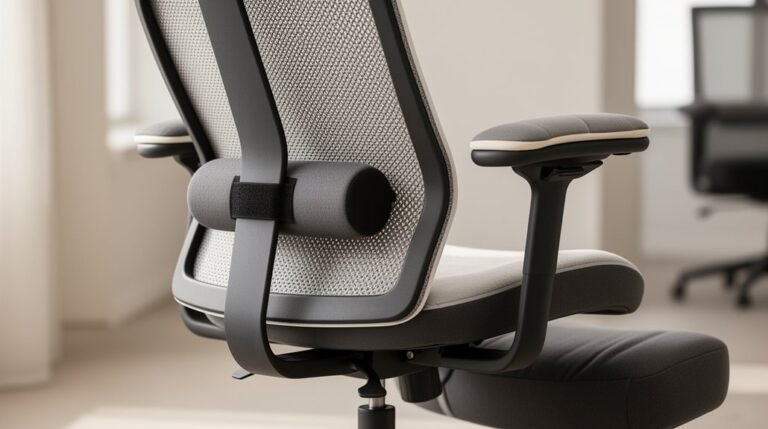
The lumbar support systems often include adjustable height and depth mechanisms, fitting the natural curve of your lower back. Dynamic lumbar support adapts to your posture, preventing static pressure points.
The seat height typically ranges from 16 to 21 inches, guaranteeing your feet rest comfortably on the floor. Additionally, the seat depth accommodates various leg lengths, keeping a proper posture. Extra wide seating area is also a key feature that enhances comfort, especially for larger body types.
Backrests offer vertical and horizontal adjustments, allowing you to customize the angle for your body type. High-density foam cushioning and breathable mesh fabric enhance comfort during extended use, while durable construction guarantees long-lasting support.
These features collectively contribute to an effective ergonomic design.
Evidence of Pain Reduction Through Chair Interventions
Although ergonomic chairs are designed to improve comfort and support, evidence shows their effectiveness in reducing pain isn’t as clear-cut. A 2023 study indicated that lumbar support and seat pan tilt improved posture but didn’t greatly reduce sitting-induced pain. Curiously, 39% of participants developed pain, regardless of chair type.
A systematic review from 2022 revealed very low to low-quality evidence supporting chair interventions for discomfort reduction. While some studies noted conflicting effects on pain and muscle activation, none demonstrated consistent benefits for lower back pain. Additionally, adjustments like armrest positioning didn’t yield considerable pain relief. These findings suggest that simply changing chairs may not effectively address pain, particularly for those already prone to discomfort. Furthermore, traditional ergonomic chairs are often constructed from mesh, which may lead to uneven pressure and discomfort during prolonged sitting.
The Impact of Adjustable Features on Comfort and Pain
Adjustable features in ergonomic chairs play an essential role in enhancing comfort and minimizing pain during prolonged sitting.
Adjustable lumbar support allows you to customize fit, which maintains spinal alignment and reduces disc pressure. Proper seat height guarantees your feet rest flat and thighs remain parallel to the ground, promoting ideal posture. Additionally, poor posture can exacerbate back pain, making adjustable features crucial for maintaining alignment.
Adjustable armrests support your arms, reducing shoulder and neck strain, while tilt and recline mechanisms encourage movement, alleviating static loading.
Backrest angle adjustments help you find a comfortable position, further reducing muscle activity in the neck and upper back.
Short-Term vs. Long-Term Effects of Ergonomic Chairs
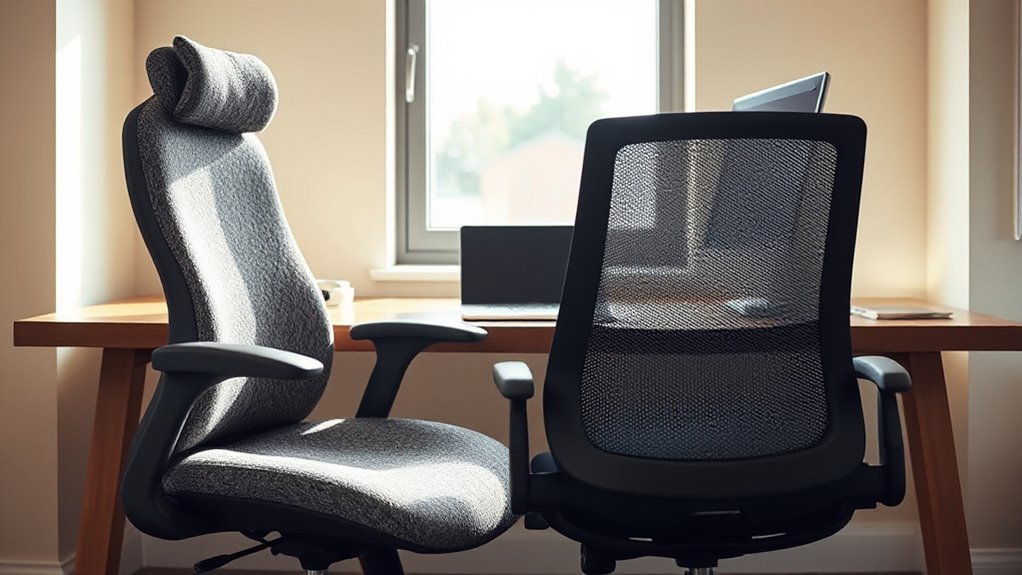
Understanding the differences between short-term and long-term effects of ergonomic chairs is essential for anyone looking to reduce back pain.
In the short term, you may experience:
- Immediate pain reduction in neck, shoulders, and back areas.
- Improved comfort from adjustable features like seat height and backrest.
- Enhanced outcomes with proper training on chair use.
However, the long-term effects are less certain. Evidence suggests ergonomic chairs may not consistently reduce lower back pain over time.
Studies indicate mixed results, highlighting a lack of strong recommendations for long-term benefits. Research gaps exist in symptom recurrence and healthcare costs.
Consequently, while ergonomic chairs might provide short-term relief, their efficacy in preventing chronic pain remains inconclusive, necessitating cautious interpretation of their benefits.
Muscle Activation and Movement: The Role of Ergonomic Chairs
Ergonomic chairs play a significant role in muscle activation and movement patterns during prolonged sitting.
Lumbar support features provide proper spine alignment, resulting in a more neutral posture. This alignment reduces abnormal curvature stress, thereby minimizing lower back pain risk.
The seat pan tilt configuration similarly encourages neutral spine positioning, leading to greater muscle activity and reduced compensatory strain.
Dynamic adjustments engage stabilizing muscles effectively, enhancing core activation.
Research shows that office workers experience differing trunk muscle activation based on chair design, impacting pain susceptibility. Non-pain developers exhibit lower muscle activation levels compared to pain developers, highlighting the importance of ergonomic support.
Proper chair design ultimately promotes healthy movement and muscle engagement, essential for long-term sitting comfort.
Limitations and Quality of Current Research
While the effectiveness of ergonomic chairs is often touted, the evidence supporting their benefits remains moderate at best. Many studies have significant design limitations. For instance, they often lack long follow-up periods, with the longest being just one year.
Additionally, self-reported sitting times can skew results, as most studies don’t use objective measures like accelerometers.
- Research mainly focuses on industrial settings, neglecting office workers.
- There’s a lack of data on children and adolescents, despite rising musculoskeletal issues.
- Conflicting methodologies across studies make direct comparisons challenging.
These gaps highlight the need for further research on ergonomic chairs and their true impact on back pain in various populations.
Recommendations for Choosing an Ergonomic Chair
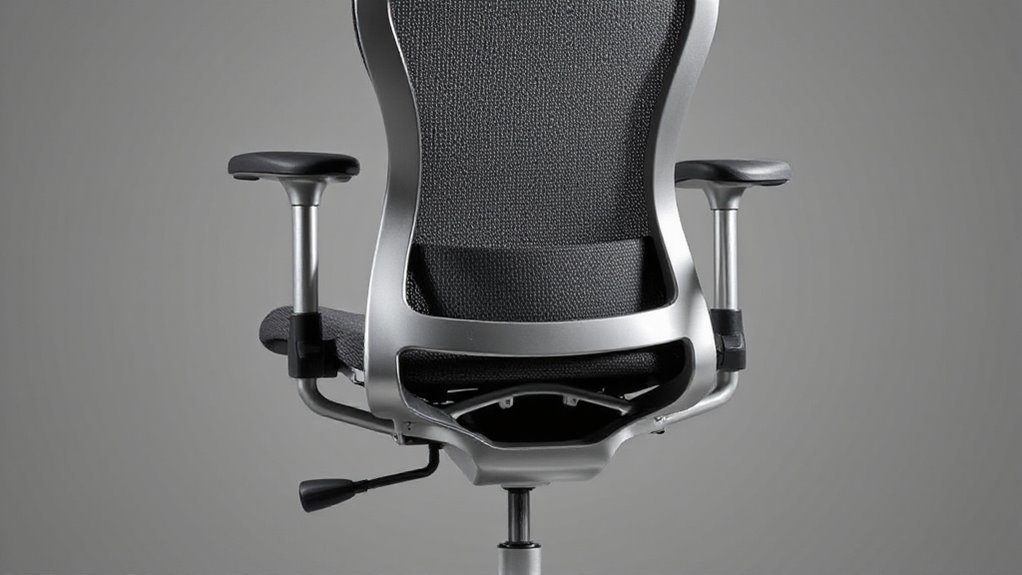
When selecting an ergonomic chair, prioritize key features that support your back and enhance comfort. Look for adjustable lumbar support systems that cradle your lower back, maintaining the natural spine S-curve. This feature can prevent slouching, reducing spinal disc compression.
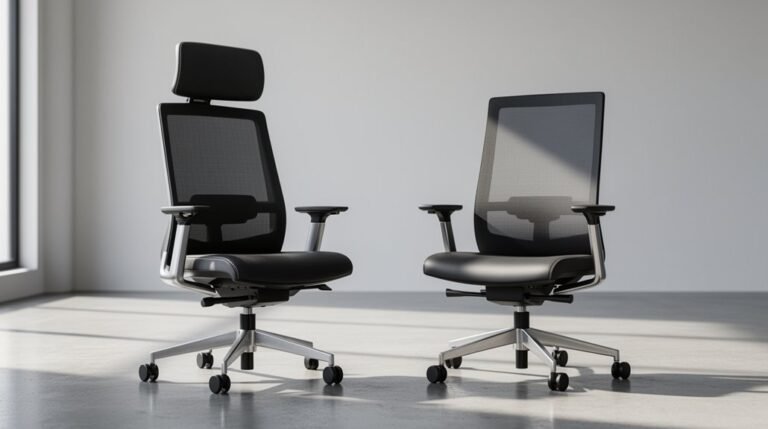
Verify height adjustability keeps your feet flat on the floor, promoting better posture. Seat depth and tilt adjustments accommodate various body sizes, minimizing thigh pressure. Armrests should be adjustable to reduce shoulder strain, enabling micro-movements.
Choose a chair with even weight distribution and breathable materials for prolonged comfort. Finally, a swivel base encourages movement, maintaining circulation and reducing stiffness.
These specifications collectively promote a neutral spine and prevent chronic back issues, enhancing your overall work experience.
Frequently Asked Questions
How Much Does an Ergonomic Chair Typically Cost?
Ergonomic chairs typically cost between $200 and $800+, depending on features.
Entry-level models start around $200, offering basic adjustments. Mid-range options, priced from $250 to $400, provide enhanced lumbar support and adjustability.
Premium chairs range from $450 to over $1,000, featuring advanced materials and dynamic systems.
Specialized chairs cater to specific needs, starting at $200.
Consider factors like brand reputation, materials, and warranty when evaluating your budget and options.
Can Children Use Ergonomic Chairs Effectively?
Yes, children can effectively use ergonomic chairs.
These chairs feature adjustable heights and depths, accommodating growth over time. They provide lumbar support, promoting correct spinal alignment, which is essential for developing bodies.
Contoured backrests reduce discomfort, while dynamic seating options encourage active sitting, enhancing focus and engagement.
What Materials Are Best for Ergonomic Chair Durability?
For durability, choose aluminum or steel bases. They resist cracking and structural fatigue better than plastic, supporting weights over 300 lbs.
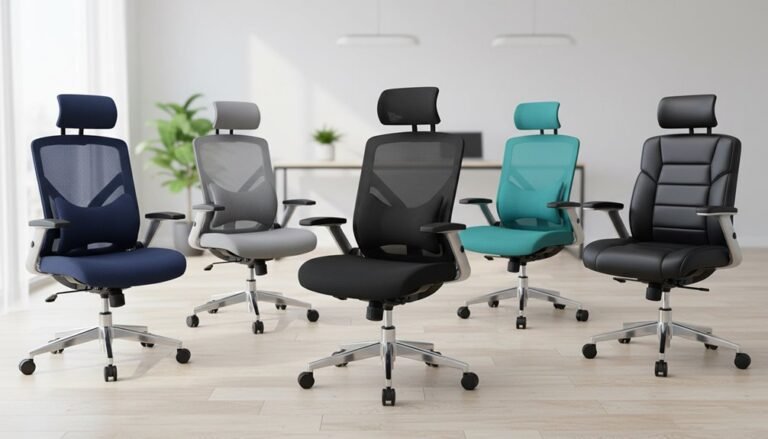
Mesh upholstery is highly durable, breathable, and maintains shape, making it ideal for long-term use. Leather offers durability but requires maintenance. Fabric tends to wear out faster and may trap odors.
To conclude, aluminum or steel combined with mesh guarantees a sturdy, long-lasting ergonomic chair.
Are There Specific Brands Known for Quality Ergonomic Chairs?
Steelcase and Herman Miller lead the ergonomic chair market, recognized for their advanced support systems.
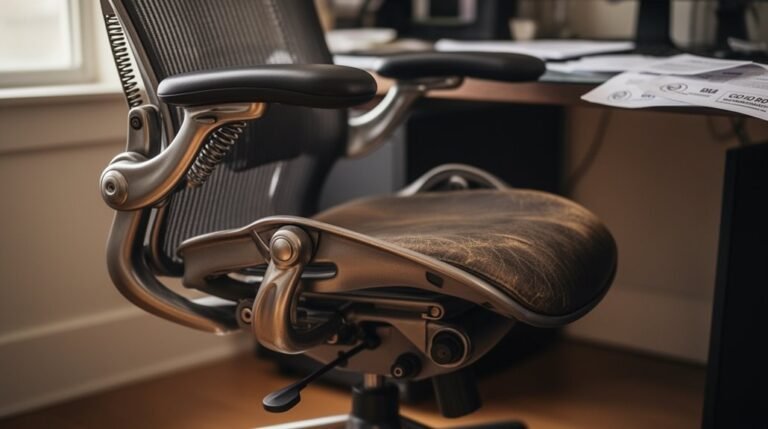
Steelcase Leap features a dynamic ‘LiveBack’ technology, adapting to your movements, while Herman Miller Aeron offers a unique design with medium lumbar support.
Eurotech balances performance and affordability, providing solid back support at mid-range prices.
Ergohuman GEN2 excels with an adjustable lumbar system, ensuring comfort during various seating positions, making these brands well-regarded in ergonomic solutions.
How Often Should I Replace My Ergonomic Chair?
You should replace your ergonomic chair every 7 to 10 years, depending on usage and quality.
High-end chairs can last 10 to 15 years with proper care, while lower-quality models may wear out in 3 to 5 years.
Regular maintenance, like cleaning and tightening bolts, can extend lifespan.
Pay attention to signs of wear, such as sagging cushions, visible damage, or reduced adjustability, indicating it’s time for a replacement.
Conclusion
Ergonomic chairs can have a significant effect on back pain. Their adjustable features—like lumbar support and seat height—help promote better posture and increased comfort. the importance of lumbar support in chairs cannot be overstated, as it plays a vital role in maintaining the natural curve of the spine. By providing adequate support to the lower back, these chairs help reduce the risk of strain and discomfort during prolonged sitting. Investing in a chair with quality lumbar support can lead to improved productivity and overall well-being.
You may notice immediate relief when you start using one, but long-term benefits depend on consistent use and proper adjustment.
Picture a chair that molds to your body and supports each curve. Still, individual results vary, so choose a chair that meets your specific needs for the best relief.