Why Use an Ergonomic Chair?
Why Use an Ergonomic Chair?
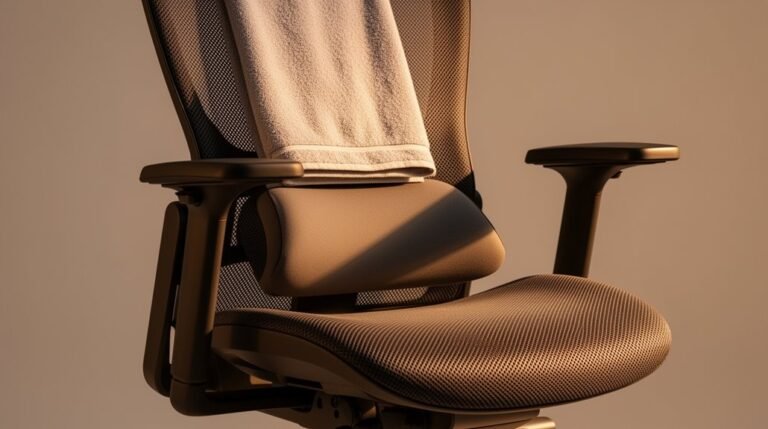
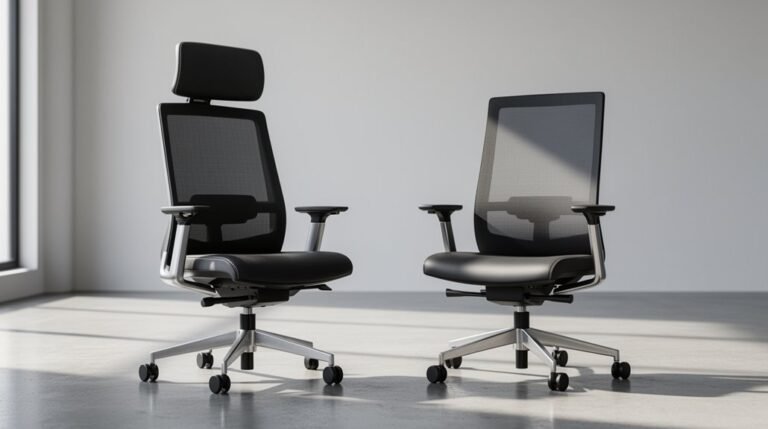
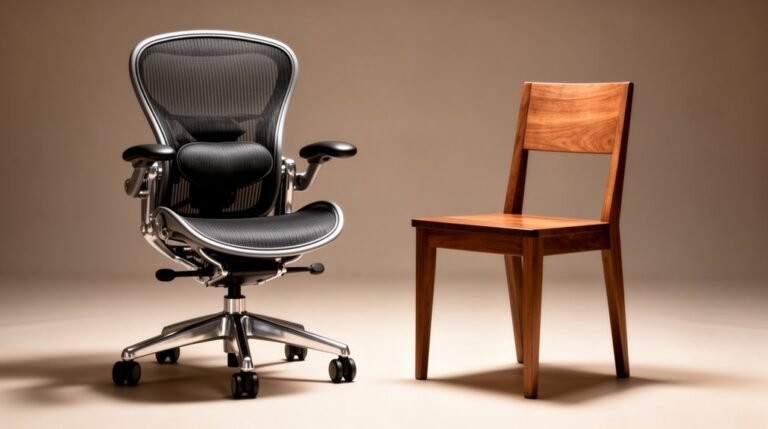
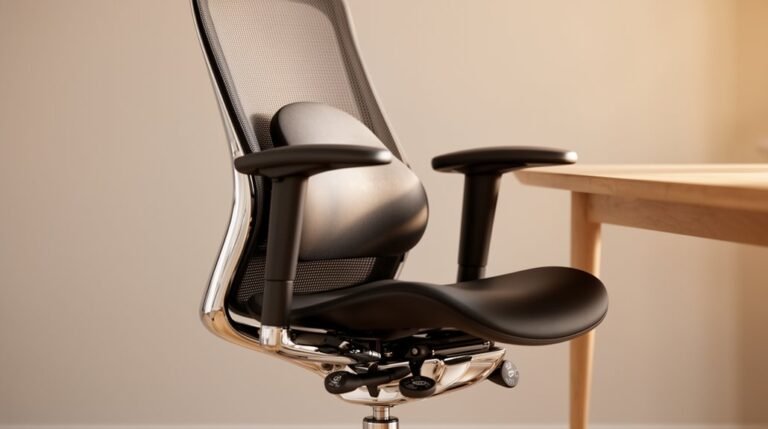
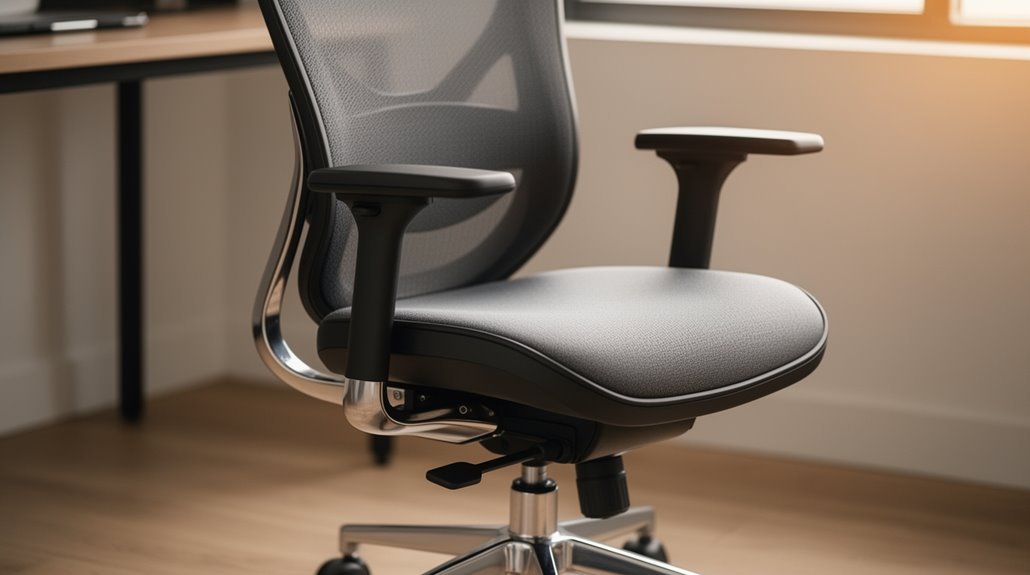
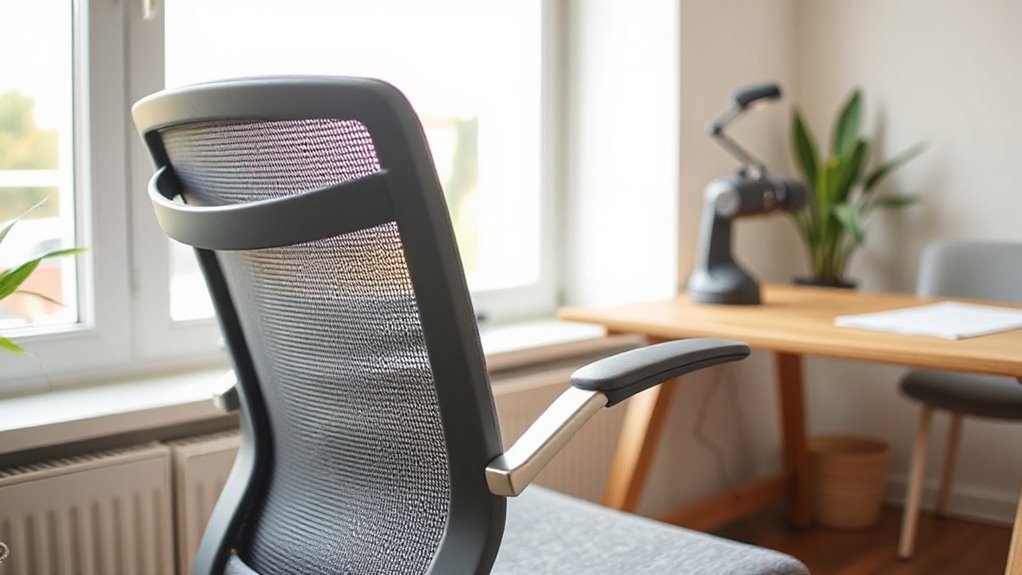
Using an ergonomic chair promotes proper posture, supports your spine, and enhances comfort while working. An ergonomic chair with adjustable seat height and armrests helps reduce muscle strain in the neck and back.
Studies indicate a 15% to 20% productivity boost and a marked decline in reported discomfort after adoption. Ergonomic chairs also lower absenteeism and healthcare costs while improving employee satisfaction.
You might find that these benefits align with your workplace needs, encouraging further exploration into ergonomic solutions.
Health and Pain Prevention
When you sit for long periods, the risk of developing musculoskeletal disorders (MSDs) increases markedly. Ergonomic chairs significantly reduce this risk by providing proper lumbar support, which maintains the spine’s natural curve.
Their adjustable features, including seat height and armrests, allow you to customize the fit to your body. This customization decreases muscle activity in the neck, shoulders, and back, minimizing discomfort. Studies show a consistent decline in self-reported musculoskeletal pain after using ergonomic chairs. Additionally, workplaces that adopt ergonomic interventions report fewer cases of tendonitis and chronic back pain. By investing in ergonomic chairs, you not only enhance comfort but also lower the likelihood of experiencing long-term health issues associated with poor posture and extended sitting. Furthermore, the improved cardiovascular health that comes from using ergonomic solutions can contribute to overall well-being, making them a wise investment for any workplace.
Productivity Improvements
Investing in ergonomic chairs can greatly enhance workplace productivity. Studies show that ergonomic office environments can boost productivity by up to 15%. Multiple surveys indicate that ergonomic chairs can improve productivity by 15% to 20%. According to the Human Factors and Ergonomics Society, ergonomic workspaces contribute to this increase.
When you use an ergonomic chair, you reduce physical discomfort, which minimizes distractions and enhances concentration. Comfortable seating supports sustained focus during long work periods. Additionally, improved posture and support help maintain mental clarity. Employees report that ergonomic chairs facilitate better task completion by promoting regular movement, thereby creating a positive feedback loop that reinforces the importance of comfort.
Reduced Absenteeism and Healthcare Costs
Ergonomic chairs not only enhance productivity but also considerably reduce absenteeism and healthcare costs. Musculoskeletal disorders (MSDs) lead to an average of eight days away from work, affecting overall productivity. In 2021-2022, 473,000 UK workers suffered from these conditions, resulting in 6.6 million lost working days. Companies investing in ergonomic furniture report a 67% decrease in absenteeism due to MSDs. Additionally, ergonomic interventions can lower lost workdays by 88%. Poor ergonomics is identified as a major cause of MSDs, highlighting the importance of ergonomic solutions in the workplace.
Absenteeism incurs direct costs like paid sick leave and indirect costs, such as reduced productivity. Organizations adopting ergonomic practices see a 32% decrease in healthcare costs related to work injuries.
Enhanced Employee Satisfaction and Retention
While many factors influence employee satisfaction, the integration of ergonomic chairs greatly impacts workplace morale and retention. Ergonomic seating boosts job satisfaction, with 87% of employees in these environments reporting higher levels.
Organizations that implement ergonomic workstations see a 24% increase in employee satisfaction. When employers invest in ergonomic furniture, employees feel valued, fostering motivation and morale.
This physical comfort leads to increased loyalty; employees are less likely to leave companies prioritizing their well-being. Ergonomic chairs reduce physical strain, making roles sustainable for long-term employment.
A positive workplace culture emerges, enhancing team engagement and collaboration. Ultimately, investing in ergonomic solutions translates to lower turnover rates, especially in physically demanding jobs, making it a strategic choice for retention.
Return on Investment
Understanding the financial implications of ergonomic chairs provides significant insights into their value. Investing in ergonomic seating leads to a 67% decrease in absenteeism due to musculoskeletal disorders. This reduction results in fewer sick days, translating to direct cost savings for employers.
Additionally, ergonomic environments yield a 15% increase in productivity, as employees experience less discomfort and improved focus. Organizations also see a 32% decrease in healthcare costs related to work injuries, further enhancing ROI.
Most companies achieve full returns on their ergonomic investments within 8–16 months, with typical ROI ranging from 3 to 6 times the initial investment over three years. By measuring absenteeism, productivity, and healthcare claims, you can assess the financial benefits effectively.
Cognitive and Physical Performance Benefits
Numerous studies highlight the cognitive and physical performance benefits of using ergonomic chairs in the workplace.
These chairs not only enhance your comfort but also boost your productivity.
- Improved cognitive flexibility allows quicker task shifts without losing accuracy.
- Enhanced blood flow and oxygen delivery lead to clearer thinking and better decision-making.
- Ergonomic seating minimizes physical distractions, enabling sustained focus for extended periods.
When you’re comfortably supported, you can allocate more mental energy to your tasks instead of discomfort.
Additionally, ergonomic chairs promote proper posture, reducing fatigue and the risk of musculoskeletal disorders.
Frequently Asked Questions
How Do I Choose the Right Ergonomic Chair for My Needs?
To choose the right ergonomic chair for your needs, assess adjustability first.
Look for seat height, depth, and backrest adjustments. Confirm the chair accommodates your body dimensions, ideally fitting the 5th to 95th percentile.
Check armrest flexibility and lumbar support features. Test for comfort in various positions, considering seat width and weight capacity.
Finally, prioritize chairs meeting ANSI/BIFMA standards for durability and performance to confirm a long-lasting investment in your comfort.
Can Ergonomic Chairs Accommodate Different Body Types and Sizes?
Yes, ergonomic chairs can accommodate various body types and sizes. They feature adjustable seat heights, typically between 16 to 21 inches, ensuring a proper fit for most users.
Seat widths range from 17 to 24 inches, and depths adjust from 15 to 22 inches, providing comfort across dimensions. Additionally, customizable armrests and lumbar support cater to diverse postures, enhancing support and reducing strain, making ergonomic chairs versatile for all.
What Features Should I Look for in an Ergonomic Chair?
First, check for adjustable seat height, making certain your feet rest flat on the floor.
Look for a contoured, padded seat with adjustable depth to support your thighs.
Confirm lumbar support maintains your spine’s natural curve.
The backrest should allow for tilt and recline functions.
Finally, find adjustable armrests to relax your shoulders and improve typing posture, while breathable materials enhance comfort and durability for extended use.
How Often Should I Adjust My Ergonomic Chair for Optimal Use?
You should adjust your ergonomic chair every few hours to accommodate body position changes.
Shift the recline and tilt to maintain comfort and circulation. Slightly raise or lower the seat during breaks to refresh posture.
Change positions every 30–60 minutes, alternating between sitting and standing. Regular adjustments promote active sitting, reduce muscle fatigue, and help maintain proper spinal alignment.
Perform quick checks every few weeks to verify continued suitability.
Are Ergonomic Chairs Suitable for Home Office Setups?
Yes, ergonomic chairs are suitable for home office setups. They offer adjustable features, like seat height, lumbar support, and armrests, ensuring maximum comfort.
These chairs help maintain proper posture, reducing the risk of musculoskeletal disorders. Compared to traditional seating, ergonomic chairs can improve productivity by 15% to 20%.
With enhanced support, they minimize distractions caused by discomfort, allowing for better focus and efficiency during work tasks, making them ideal for remote workers.
Conclusion
Using an ergonomic chair can greatly enhance your workspace experience.
Studies show that proper seating can reduce back pain by up to 50%. Ergonomic chairs support the natural curve of your spine and promote good posture.
They also reduce muscle strain, which helps minimize discomfort and improve focus and productivity.
Investing in ergonomic seating is not just about comfort; it fosters a healthier work environment and can lead to better overall performance and satisfaction.