Benefits of an Anti-Fatigue Mat
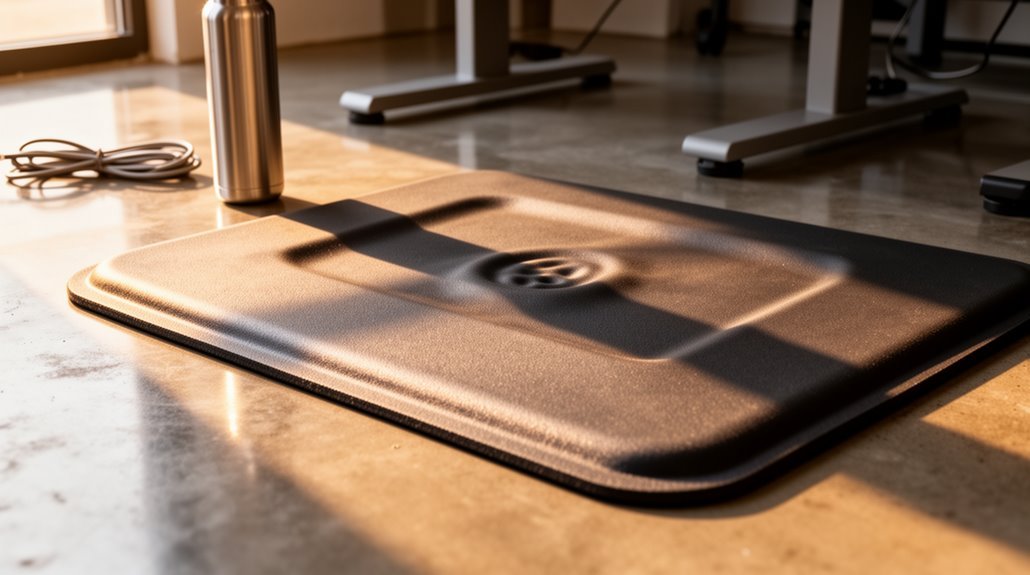
Anti-fatigue mats greatly reduce discomfort for individuals who stand for long periods. They provide cushioning that lowers stress on joints and enhances ergonomic alignment, which minimizes pain and fatigue levels.
Studies show a 50% improvement in circulation, thanks to subtle muscle movements encouraged by the mats. This results in a clinically meaningful reduction in pain intensity across various body parts.
If you’re looking for a more in-depth understanding, there are important aspects to reflect on. Consider factors like mat thickness, material, and placement to get the best benefits for your workplace or home.
Health Impact Reduction
When you stand on hard surfaces for extended periods, it increases stress on your joints, spine, and feet, raising your risk of chronic conditions like plantar fasciitis and lower back pain.
Anti-fatigue mats provide cushioning that greatly reduces stress on your feet and legs. They minimize repetitive strain injuries by supporting ergonomic alignment. Studies indicate that using these mats lowers discomfort and the likelihood of long-term musculoskeletal disorders (MSDs). Additionally, proper mat usage promotes even weight distribution and stability, further mitigating injury risks. Research has shown that using anti-fatigue mats can help prevent serious health concerns associated with prolonged standing.
Pain and Fatigue Levels
Using anti-fatigue mats greatly reduces pain and fatigue levels in individuals who stand for prolonged periods. Studies show significant reductions in subjective pain in the ankles, feet, knees, and shoulders, particularly among surgical staff (p < 0.001). Participants report a shift in pain intensity from moderate to mild after using these mats. Additionally, users experience a clinically meaningful decrease in weekly fatigue levels, especially in the lower extremities (p < 0.001; Cohen's d ≥ 0.8). Anti-fatigue mats also help delay increased fatigue during extended standing tasks. Importantly, they maintain stability and optimize plantar pressure distribution, which contributes to lower discomfort in the back and hips, further enhancing overall comfort and reducing fatigue. This is particularly relevant considering that prolonged standing is a common ergonomic stressor faced by operating room nurses.
Circulation and Blood Flow
Anti-fatigue mats greatly enhance circulation and blood flow by promoting subtle muscle movements in the legs.
These mats encourage gentle swaying, stimulating calf and leg muscles. Continuous micro-movements minimize blood pooling, thanks to the cushioning effect of the matting. This muscle pump effect helps push blood upward toward the heart, keeping circulation steady. Studies show that using anti-fatigue mats can increase circulation by up to 50%. Additionally, they prevent the stagnation of blood in veins, which is a primary cause of fatigue. The unique design evenly distributes weight and encourages ongoing foot movements, combating the adverse effects of standing on hard surfaces. Furthermore, anti-fatigue mats can reduce pain and discomfort by 50%, enhancing overall comfort during prolonged standing.
Ergonomic Benefits
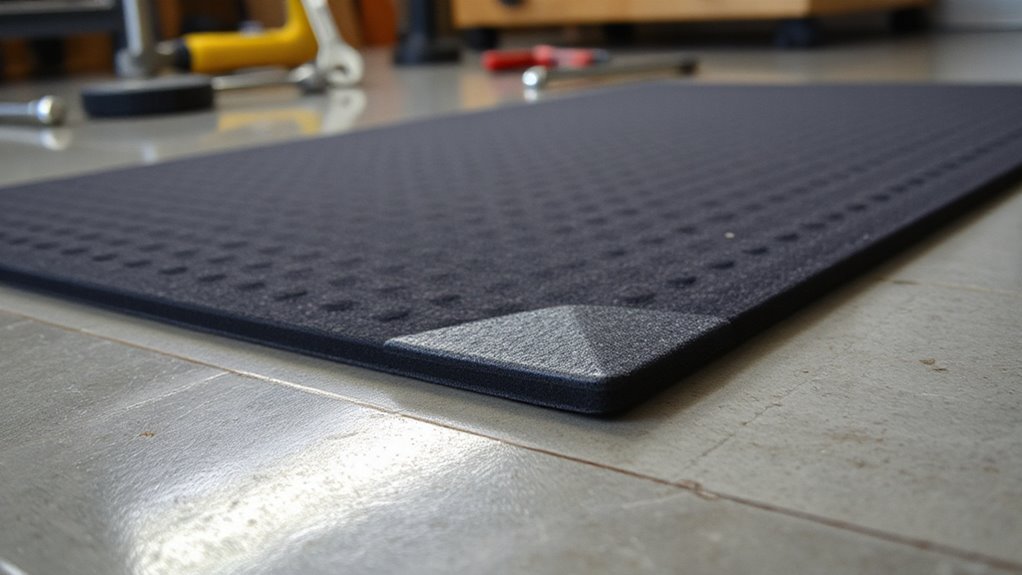
Ergonomic mats provide essential support for posture and alignment, enhancing comfort during prolonged standing.
These mats are designed to promote micro-movements, which counteract stiffness. They help even weight distribution, reducing strain on your lower back and legs.
Here are some key ergonomic benefits:
- Encourage subtle calf and leg muscle movement.
- Promote frequent position changes, preventing static positioning.
- Reduce pressure points on feet, knees, and hips.
- Lower the risk of long-term musculoskeletal disorders.
- Minimize joint strain through effective cushioning technology.
With these features, anti-fatigue mats greatly enhance your overall standing experience, leading to improved comfort and reduced physical discomfort during extended periods on your feet.
Worker Feedback and Comfort
Feedback from workers highlights the significant impact of anti-fatigue mats on comfort during long hours of standing. These mats provide cushioning that softens the impact of standing on hard floors, enhancing comfort for your feet and legs.
Textured surfaces, like massage mounds, encourage active foot movement, reducing discomfort. Users report less fatigue, particularly in the lower back. The firm yet cushioned surface supports foot stretching, alleviating foot problems over time.
Mats designed to promote subtle movements improve blood circulation, reducing stiffness and soreness. Additionally, durable, non-slip mats maintain stability and shape, enhancing safety.
Scientific Evidence and Studies
Scientific studies consistently demonstrate the effectiveness of anti-fatigue mats in reducing physical stress for workers who stand for long periods.
Research highlights several key benefits:
- Anti-fatigue mats reduce lower back pain by up to 50% compared to hard surfaces.
- They decrease impact on joints by as much as 50%.
- Mats encourage micro-movements, reducing stiffness and soreness in muscles.
- They promote blood circulation, preventing pooling in the legs, a common cause of fatigue.
- Studies show significant reductions in pain intensity and fatigue levels for workers using these mats.
These findings indicate that anti-fatigue mats play an essential role in enhancing comfort and reducing discomfort for individuals engaged in prolonged standing tasks.
Long-Term Health Benefits
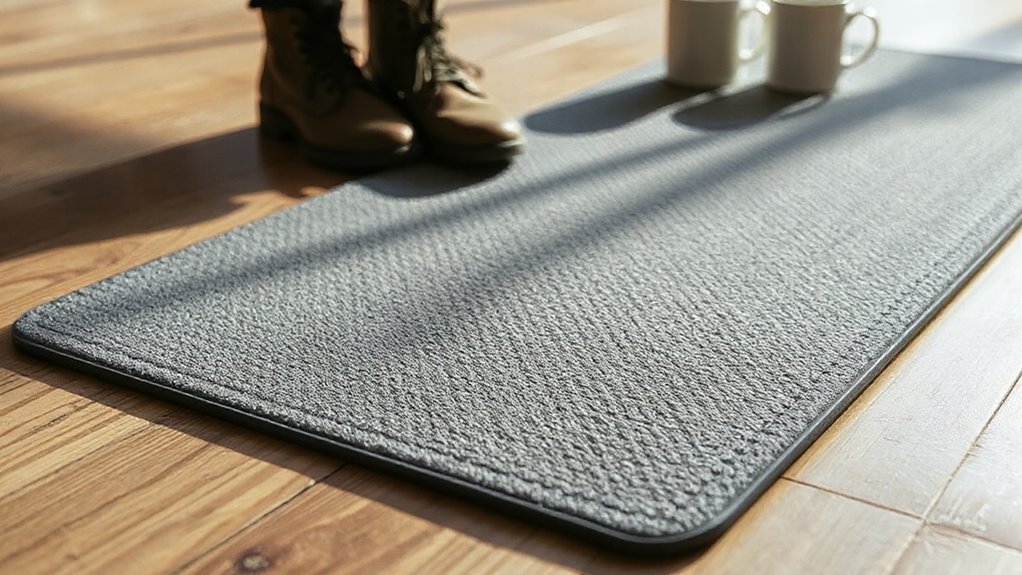
Long-term use of anti-fatigue mats can greatly enhance your overall health and well-being.
These mats markedly reduce the risk of chronic pain, particularly in the feet, knees, and back. By preventing persistent musculoskeletal disorders, they lower the incidence of recurring lower back pain.
Additionally, anti-fatigue mats promote better circulation, facilitating blood flow and decreasing the risk of varicose veins and deep vein thrombosis. They also help maintain lower leg skin temperature, indicating improved circulation.
Moreover, regular use supports better posture and balance, which can prevent falls and reduce wear and tear on your body.
Recommended Use Cases
When considering where to implement anti-fatigue mats, various environments stand out for their significant benefits.
These mats improve comfort and productivity in several settings:
- Industrial and Manufacturing Settings: Reduce strain and increase productivity.
- Retail and Point-of-Sale Environments: Enhance comfort for cashiers and stock clerks.
- Healthcare Facilities: Support medical professionals during long hours on their feet.
- Hospitality Industry Operations: Improve comfort for chefs and servers in high-traffic areas.
- Stationary Work Stations and Standing Desks: Provide cushioning for those shifting between sitting and standing.
Implementing anti-fatigue mats in these areas can lead to lower injury rates, increased focus, and improved overall well-being.
Choosing the Right Anti-Fatigue Mat
How do you select the best anti-fatigue mat for your specific needs? Start by considering material. Rubber mats provide excellent elasticity and shock absorption, ideal for most applications. For kitchen environments, PVC foam offers an affordable, durable option.
Next, evaluate thickness; standard mats typically range from 3/8 to 3/4 inch, balancing cushioning and stability. Firmness matters too; aim for a mid-range firmness to maintain balance and support.
Additionally, examine surface texture; slip-resistant designs are essential for wet areas. Finally, think about size; standard mats suit small spaces, while customized options cater to larger work areas.
Each factor plays an important role in optimizing comfort and safety in your workspace.
Frequently Asked Questions
How Do I Clean and Maintain My Anti-Fatigue Mat?
Cleaning Your Anti-Fatigue Mat
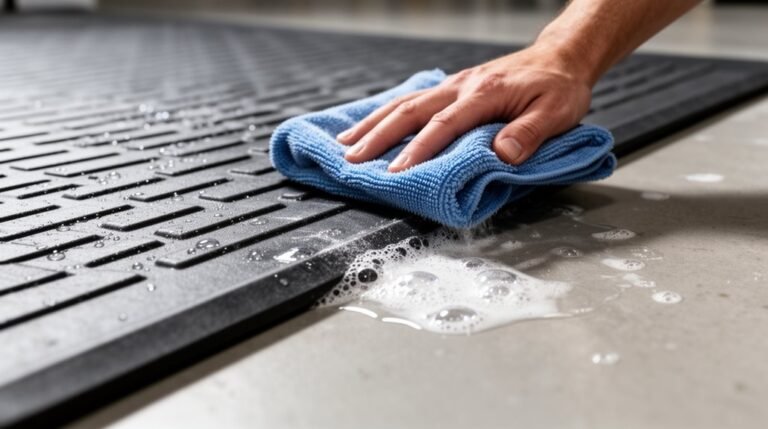
Daily, sweep or dry-mop the surface to remove dirt and debris. Use a soft brush to avoid scratches. For high-traffic areas, vacuum regularly.
Weekly, clean with mild soap and a damp mop, using water between 120°F and 140°F. Rinse thoroughly and let it dry completely.
Address spills immediately with a soft cloth.
Store rolled, not folded, in a cool, dry place away from sunlight to prevent damage.
Are Anti-Fatigue Mats Suitable for All Floor Types?
Anti-fatigue mats aren’t suitable for all floor types. They excel on hard surfaces like concrete, tile, and hardwood, providing essential cushioning.
Rubber mats offer slip resistance on smooth floors, while foam mats work best indoors. On soft flooring, their benefits diminish due to existing cushioning.
Additionally, mats designed for wet environments resist moisture, but foam mats lack water resistance.
Always consider the specific material and environment to guarantee compatibility with your flooring.
Can I Use an Anti-Fatigue Mat in a Kitchen?
Yes, you can use an anti-fatigue mat in a kitchen.
These mats are designed to cushion hard surfaces, reducing strain on your feet and legs during prolonged standing. They also provide traction, minimizing slip risks on wet floors.
Make sure you select mats suitable for kitchen use, as some aren’t resistant to oils or liquids.
Proper placement in high-traffic areas, like in front of sinks or stoves, maximizes their effectiveness and enhances comfort.
What Is the Lifespan of an Anti-Fatigue Mat?
The lifespan of an anti-fatigue mat varies by material. Urethane mats can last over 5 years, while SpongeCote® and PVC mats typically last 3 to 5 years.
Molded rubber mats may last between 1 to 3 years. PVC sponge mats without a wear surface last only 6 to 12 months.
Frequent use, exposure to chemicals, and foot traffic volume greatly impact durability. Proper maintenance can extend the service life of all mat types.
Are There Any Health Conditions That Should Avoid Mat Use?
Certain health conditions should avoid using anti-fatigue mats.
For example, individuals with vestibular disorders may experience increased dizziness on cushioned surfaces.
Similarly, those recovering from ankle injuries often require firmer support, which mats can’t provide.
Patients with severe lymphedema may worsen their fluid retention due to subtle movements encouraged by mats.
Finally, individuals with hyperlordosis may feel added discomfort from excessive pressure on their lower back, necessitating alternative solutions for standing support.
Conclusion
Anti-fatigue mats are an essential support system for those who stand for long periods. They reduce pain and fatigue and enhance circulation. The benefits of antifatigue mats extend beyond mere comfort, as they can significantly improve productivity and focus in work environments. By providing cushioning and support, these mats help reduce the risk of developing chronic pain, allowing individuals to maintain better posture throughout their day. Investing in quality antifatigue mats can lead to long-term health improvements, making them a wise choice for both employees and employers.
These mats also promote ergonomic posture, which helps maintain energy and productivity throughout the day.
By selecting the right mat, you can create a more comfortable workspace that fosters well-being.
Investing in an anti-fatigue mat is like laying a foundation for both immediate comfort and long-term health benefits. following best practices for antifatigue mat use can enhance their effectiveness and lifespan. It’s essential to position the mat correctly in areas where you spend the most time standing, ensuring maximum comfort and support. Additionally, regular cleaning and maintenance will help preserve the mat’s quality and optimize its benefits.