Sitting Vs Standing: Pros and Cons
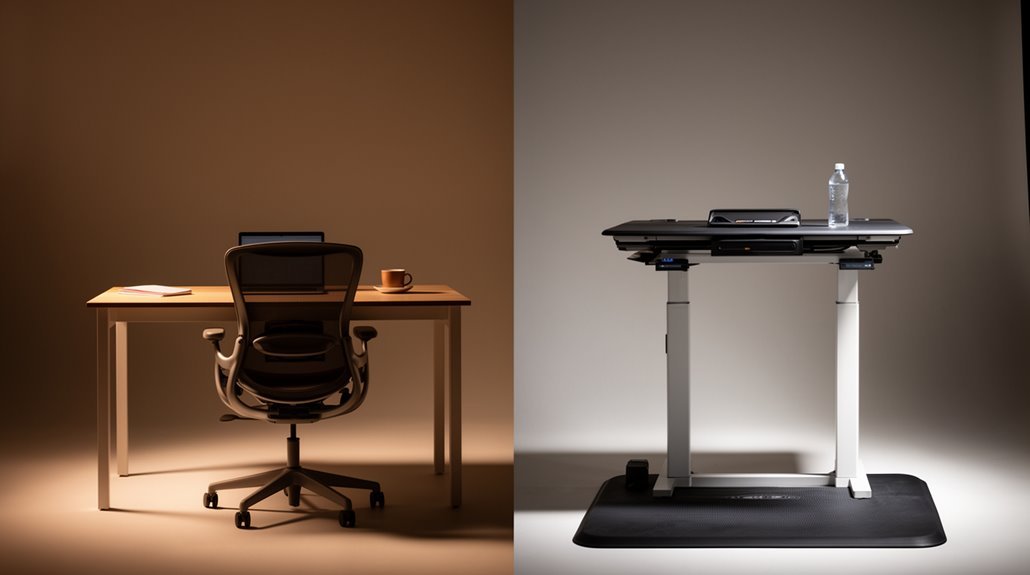
Sitting vs Standing: Pros and Cons
Sitting for prolonged periods increases risks of heart disease and diabetes. Research suggests each additional two hours of sitting can raise the risk of obesity and metabolic problems by about 5%. Because of these risks, limiting long, uninterrupted sitting is important for long-term health.
Standing too long also has downsides. Extended standing can cause blood to pool in the legs, increasing the chance of venous issues, discomfort, and fatigue. Both prolonged sitting and prolonged standing can contribute to musculoskeletal pain and stiffness.
Balancing sitting and standing throughout the day is essential. Incorporate movement with walking meetings, short active breaks, and periodic posture changes to reduce cardiovascular and musculoskeletal strain.
Optimizing your daily routine—alternating positions, adding light activity, and using ergonomic setups—can improve comfort and lower health risks associated with too much sitting or standing.
Health Risks Associated With Prolonged Sitting
When you sit for extended periods, several health risks emerge that can remarkably impact your well-being. Prolonged sitting, defined as over eight hours daily, considerably elevates your risk of heart disease and diabetes. Research shows that each additional two hours of sitting raises obesity risk by 5% and diabetes risk by 7%. Sitting reduces blood circulation, slows metabolism, and impairs sugar and fat processing, leading to conditions like hypertension and insulin resistance. Moreover, chronic sitting correlates with metabolic syndrome components such as high blood pressure and unhealthy cholesterol levels. Additionally, individuals who sit extensively face heightened risks of musculoskeletal disorders, including neck and lower back pain, which can decrease overall job satisfaction and productivity. Notably, those predominantly sitting at work have a 16% higher risk of all-cause mortality and a 34% higher risk of cardiovascular disease mortality.
Cardiovascular Implications of Extended Standing
Although standing may seem like a healthier alternative to sitting, prolonged standing can lead to significant cardiovascular concerns. Extended periods of standing cause blood pooling in your lower limbs, increasing hydrostatic venous pressure. This pressure leads to venous distension, wall stress, and may promote venous insufficiency.
- Standing for over 2 hours daily raises the risk of orthostatic circulatory disease by 11% for every additional 30 minutes.
- It’s linked to conditions like varicose veins and chronic venous insufficiency.
- Muscle sympathetic nerve activity increases, potentially elevating your blood pressure. Mixing physical activity with standing is necessary to improve cardiovascular health.
Balancing standing with movement is essential to mitigate these cardiovascular risks and promote better vascular health.
Metabolic Effects of Sedentary Behavior
Sedentary behavior greatly impacts metabolic health, contributing to the risk of metabolic syndrome. Total sedentary time correlates strongly with metabolic risk, independent of how much you exercise.
Prolonged bouts without breaks further increase this risk, leading to larger waist circumference, higher triglycerides, and elevated glucose levels. Your lipoprotein lipase (LPL) activity decreases with inactivity, impairing lipid metabolism and raising cardiometabolic disease risk. Additionally, a lack of breaks during sedentary periods signals reduced metabolic flexibility, making it harder for your body to switch between fat and carbohydrate metabolism.
Simply reducing sitting time by 30 minutes daily can enhance metabolic flexibility, which is essential for lowering risks for type 2 diabetes and cardiovascular diseases. Reducing sedentary time can lead to improved energy utilization, further supporting metabolic health.
Musculoskeletal Concerns From Sitting and Standing
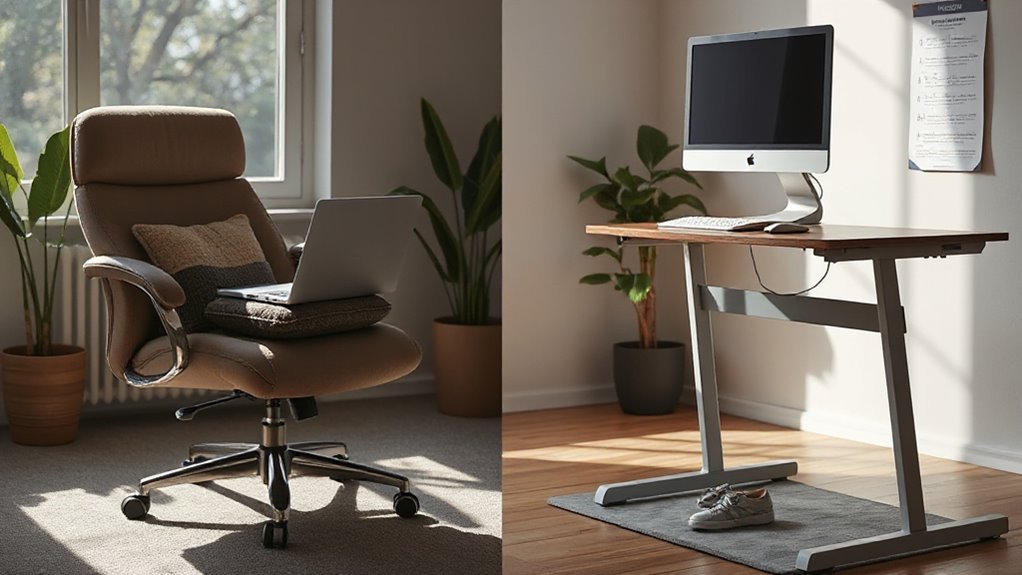
Prolonged sitting and standing each pose distinct musculoskeletal risks that can affect your overall health.
- Sitting increases intervertebral disc pressure, reaching 140% of standing pressure in unsupported positions.
- Standing for long periods affects about 50% of individuals, leading to low back pain and muscle fatigue.
- Both positions can cause joint stiffness and discomfort, especially when static.
Sitting can tighten hip flexors and weaken gluteal muscles, raising stress on your lower back.
Conversely, prolonged standing can lead to leg swelling and tiredness, impeding postural stability.
Both behaviors contribute to musculoskeletal disorders, making it vital to balance your time between sitting, standing, and moving to mitigate these risks and maintain spinal health.
The Role of Movement in Health
Regular movement plays an essential role in maintaining overall health and well-being. Engaging in at least 150 minutes of moderate exercise weekly can greatly reduce your risk of cardiovascular disease by improving blood flow and lowering blood pressure.
When you increase your activity to 300-599 minutes, you can lower your all-cause mortality risk by 26%-31%. Additionally, physical activity is vital in cancer prevention, reducing risks for cancers like breast and bowel. Even short bursts of vigorous activity can help.
Regular movement also aids in managing chronic diseases, improves metabolic health, and enhances longevity. Incorporating just 10 minutes of exercise daily can yield substantial health benefits, contributing to a longer, healthier life.
Mental Health Impact of Sedentary and Active Lifestyles
A lack of physical activity considerably affects mental health. Research shows that prolonged sedentary behavior increases the risk of depression and anxiety.
- Sedentary adults face a 39.8% higher chance of developing depressive symptoms when sitting over 600 minutes daily.
- High sedentary time correlates with poor mood and elevated stress levels, affecting sleep quality.
- Reduced social interactions due to excessive sitting contribute to feelings of isolation and lower life satisfaction.
Engaging in regular physical activity can counteract these risks, improving mood and reducing anxiety.
Even reducing sedentary time by just one hour daily can enhance mental well-being, leading to better emotional regulation and overall quality of life.
Ergonomics and Workplace Considerations
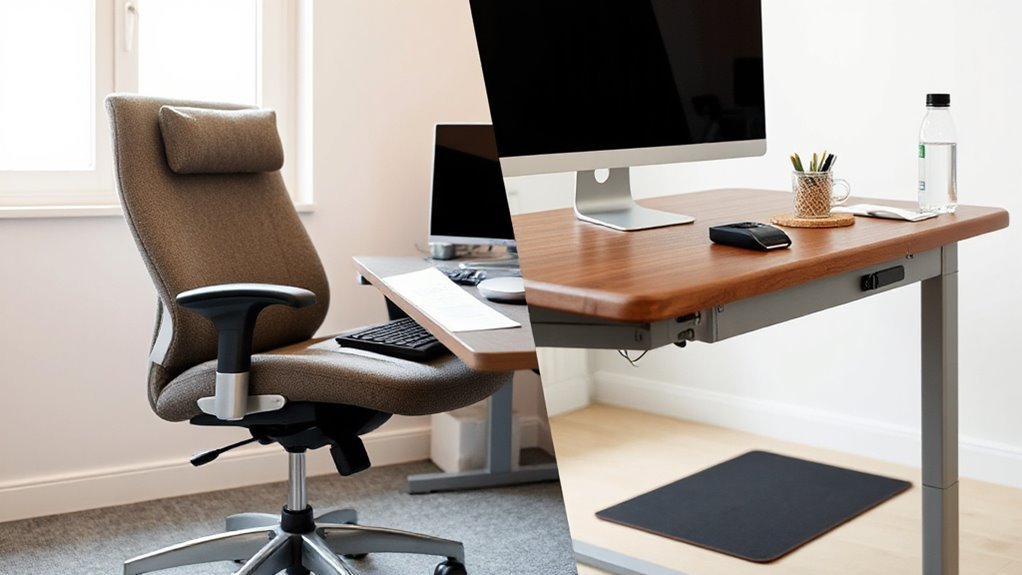
While many people spend their workdays sitting at desks, this setup can lead to significant health issues if not managed properly. Prolonged sitting, which accounts for about 82% of office work, increases risks of musculoskeletal disorders.
Conversely, standing workstations reduce sedentary time but can cause discomfort in areas like the lower back and feet within just 30 minutes. Workers using sit-stand desks report less lower back pain—about 50%—compared to traditional desk users.
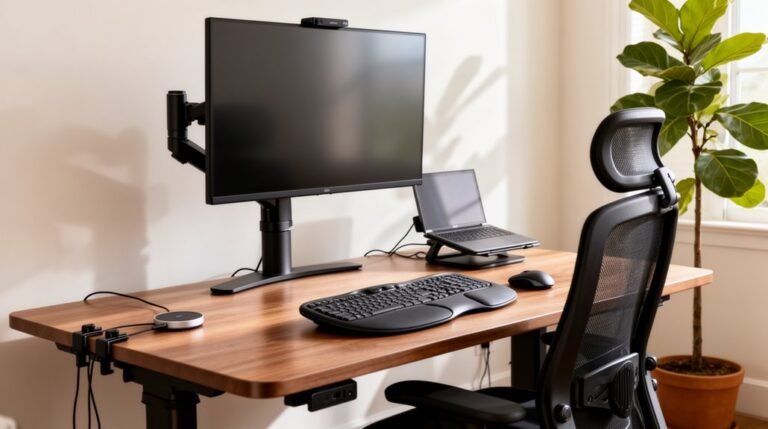
To mitigate fatigue, experts recommend changing positions every 30 minutes. Additionally, ergonomic adjustments, such as monitor height and chair settings, are critical in preventing strain.
Implementing these strategies can enhance comfort, reduce health risks, and improve overall productivity in the workplace.
Balancing Sitting and Standing for Optimal Health
To achieve ideal health in the workplace, balancing sitting and standing is essential. Prolonged sitting can lead to cardiovascular issues, impaired circulation, and reduced muscle activity, while extended standing may cause musculoskeletal discomfort and increased arterial stiffness.
Frequent changes between sitting and standing can improve circulation.
Incorporating movement breaks enhances overall physical function.
Balance training in various positions promotes stability and mobility.
Recommendations for Incorporating Movement Throughout the Day
Incorporating movement throughout the day can greatly enhance workplace health and productivity. Break your 8-hour workday into smaller segments, scheduling regular movement breaks to establish consistency. Aim for about 2 hours of activity, as suggested by recent UK guidelines.
Design your office to encourage movement; create walking routes and provide point-of-decision prompts to stimulate physical activity. Support active commuting by offering subsidized transportation options, like bus passes or bike facilities.
Establish social networks through walking clubs or group challenges to enhance employee motivation. Utilize a multi-faceted approach, sharing information about the benefits of movement through various media.
Encourage walking meetings and lunchtime activities to integrate movement without disrupting daily tasks.
Frequently Asked Questions
How Can I Improve My Posture While Sitting or Standing?
To enhance your posture, maintain a neutral spine by aligning your back’s natural curve.
Sit with lumbar support and keep your feet flat on the floor. When standing, distribute your weight evenly and avoid locking your knees.
Regularly stretch tight muscles and strengthen your core with exercises like planks.
Adjust your workstation to eye level to prevent leaning. Change positions every 30-60 minutes to reduce muscle fatigue and improve overall posture.
What Are the Best Types of Exercises to Counteract Sitting?
To counteract sitting, incorporate mobility exercises like hip flexor stretches, which enhance trunk rotation.
Perform glute-activating hip thrusts to counter prolonged hip flexion.
Engage in resistance band walks to strengthen hip abductors, improving stability.
Include leg swings for increased blood flow and mobility.
Integrate core exercises like planks and spinal twists to stabilize and enhance trunk flexibility.
Finally, add stretching routines to relieve tension in shoulders and neck, promoting overall well-being.
Are There Specific Chairs or Desks That Promote Better Health?
Chairs for Better Health
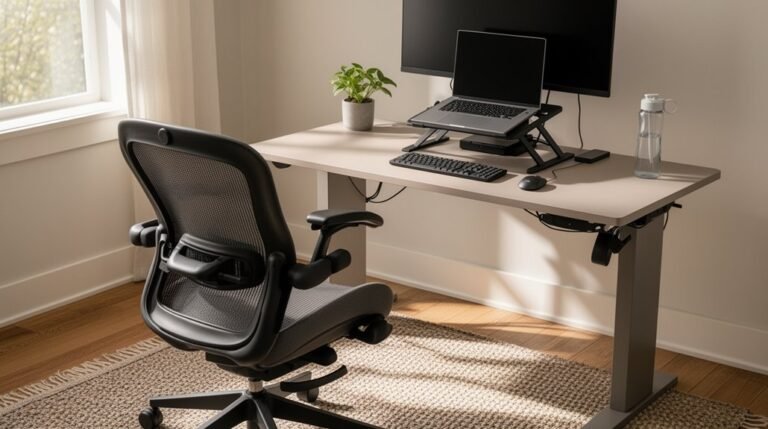
Ergonomic chairs feature adjustable lumbar support, promoting natural spine alignment and reducing back pain. They often include adjustable seat height and armrests, enhancing blood circulation.
Desks for Enhanced Comfort****
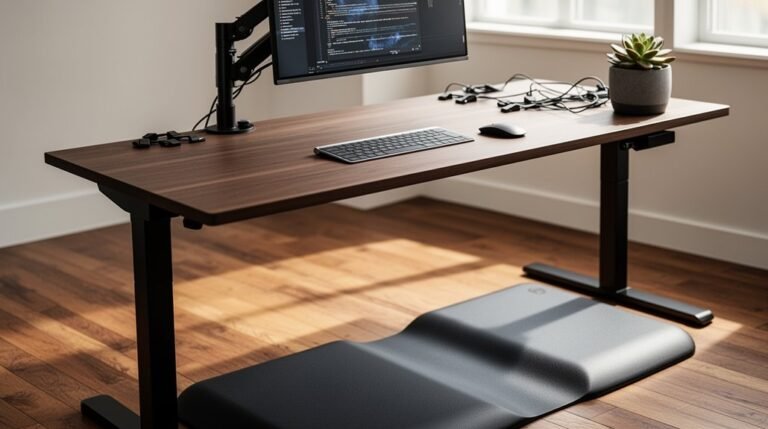
Height-adjustable desks allow you to customize your workspace, preventing neck and shoulder strain. Incorporating dynamic features, like tilt and recline, promotes movement, reducing muscle fatigue.
Using both ergonomic chairs and desks can greatly improve comfort and productivity at work.
How Often Should I Take Breaks From Sitting or Standing?
To optimize your comfort and health, you should take breaks every 20–30 minutes.
Alternating between sitting and standing reduces discomfort and fatigue effectively. For every 30 minutes you spend in one position, change to the other.
Additionally, incorporating short walking breaks enhances your well-being and further mitigates the negative effects of prolonged postures.
Regular movement not only improves concentration but also helps prevent musculoskeletal disorders associated with sedentary behavior.
What Signs Indicate I May Need to Change My Work Posture?
You might need to change your work posture if you experience persistent pain in your neck, back, or wrists.
Frequent adjustments to your position suggest discomfort. If you feel muscle fatigue or stiffness after working, your setup may be inadequate.
Difficulty reaching for items indicates restricted motion. Headaches or cognitive fatigue can arise from poor ergonomics.
Notice these signs early to prevent long-term musculoskeletal issues. Adjust your workstation accordingly.
Conclusion
In balancing sitting and standing, you can reduce health risks while enhancing productivity.
Prolonged sitting increases cardiovascular disease risks, yet extended standing can lead to musculoskeletal issues.
Incorporating regular movement optimizes metabolic function, positively impacts mental health, and improves overall well-being.
By understanding the implications of both positions, you can make informed choices.
Adapting your routine to include varied postures helps mitigate risks and promote longevity.
Ultimately, a dynamic approach fosters a healthier lifestyle.