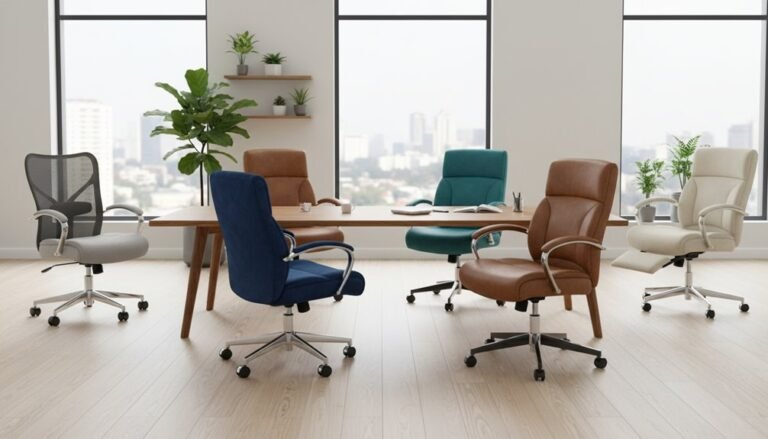
Office Chair Vs Ergonomic Chair Differences
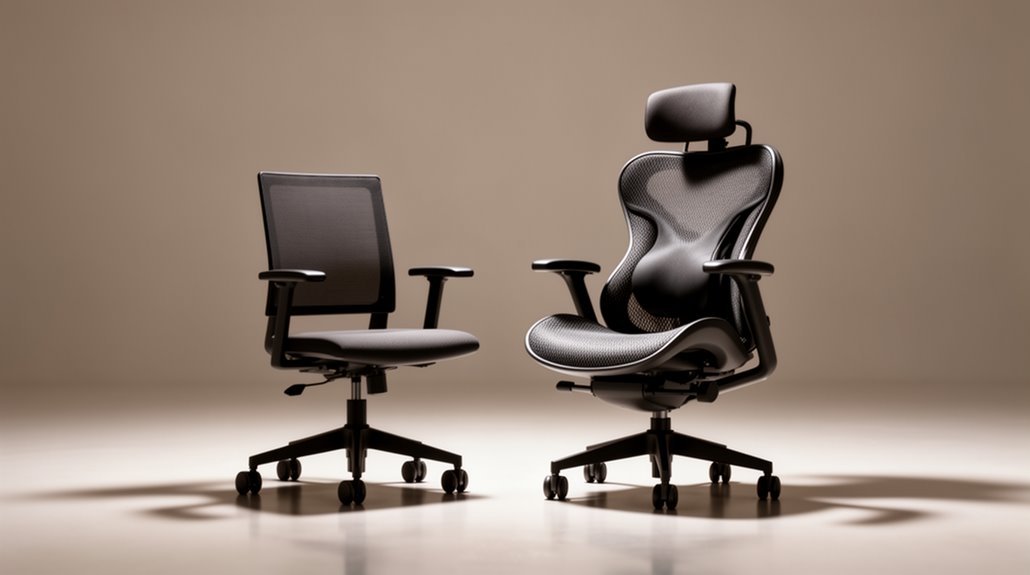
Office chair and ergonomic chair differences show up mainly in design and function. Ergonomic chairs are built to support the body, with features like lumbar support, adjustable height, and multi-directional armrests that encourage better posture.
These features help improve spinal alignment and blood circulation, which can reduce discomfort and lower the risk of pain during long periods of sitting. Ergonomic models are designed to be adjustable to fit different users and tasks.
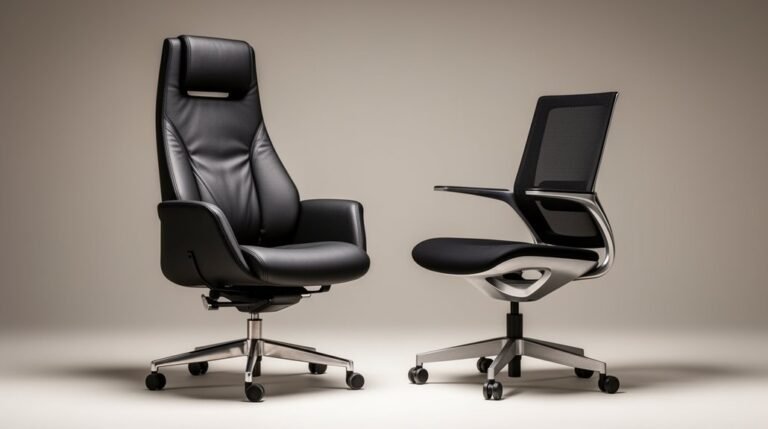
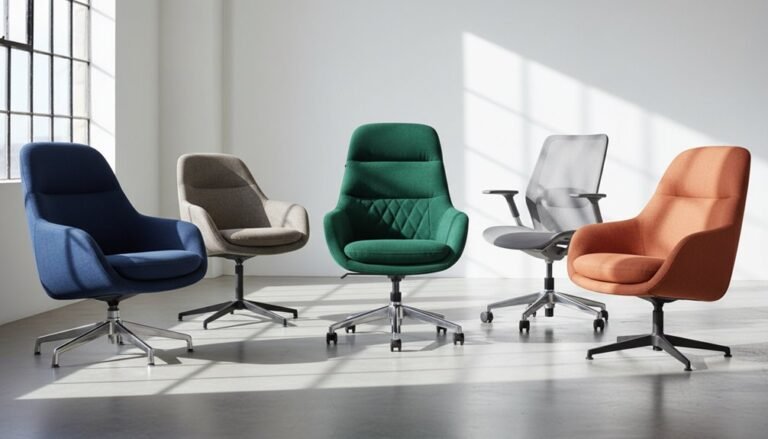
By contrast, basic office chairs usually have fixed features and limited adjustability. They often cost less up front but may not offer the same long-term health and comfort benefits.
Although ergonomic chairs generally come with a higher price, their adjustments and support can provide lasting advantages for comfort and well-being. Explore further to learn more about specific models and features.
Primary Purpose
The primary purpose of ergonomic chairs is to support health and comfort during extended periods of sitting. These chairs promote proper posture, reducing the risk of pain or injury. The benefits of ergonomic chair design extend beyond just immediate comfort. By aligning the spine and encouraging a healthy sitting posture, these chairs can enhance productivity and overall well-being. Choosing the right ergonomic chair can lead to long-term health improvements, making them an essential investment for anyone spending long hours at a desk.
Unlike standard office chairs, ergonomic designs include lumbar support that protects the lower spine from pressure. This support prevents aches and physical strain, while traditional chairs focus only on basic comfort.
Ergonomic chairs also feature adjustable components, allowing you to customize the seat height, depth, armrests, and tilt to fit your body type and workspace. By maintaining natural body alignment, ergonomic chairs enhance focus and productivity, minimizing discomfort that can lead to distractions. Moreover, ergonomic design lowers chances of injuries related to prolonged sitting.
In contrast, office chairs lack these specialized features, limiting their effectiveness for long-term use.
Key Features
When considering an office chair vs. an ergonomic chair, you’ll notice several distinct features that greatly impact comfort and support.
Lumbar Support
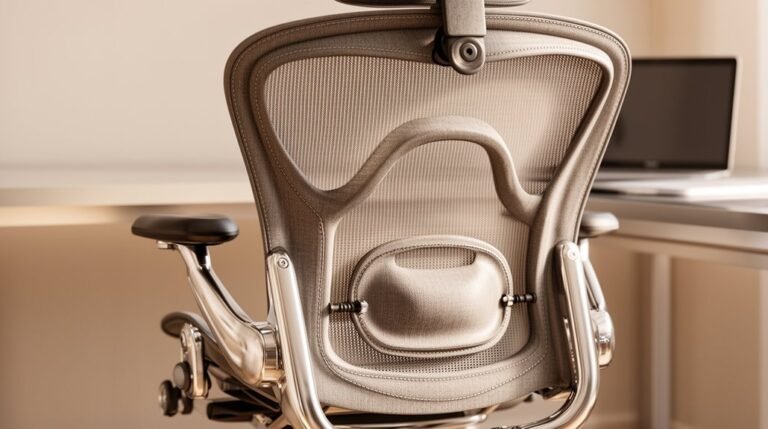
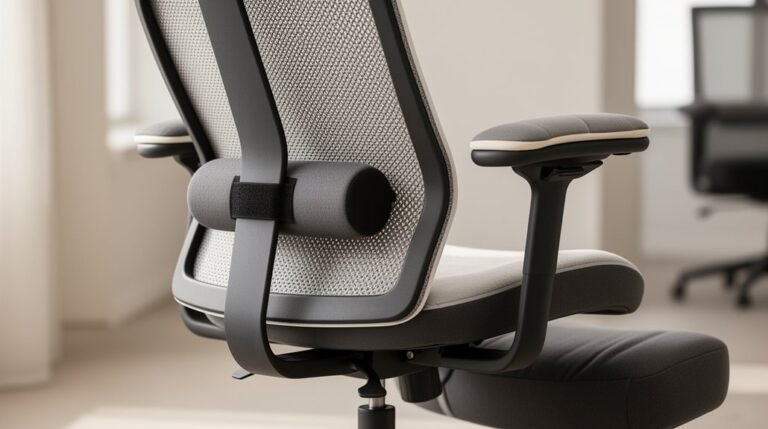
Ergonomic chairs typically include built-in lumbar support that maintains the natural curve of your lower spine. This reduces pressure on your lower back during extended sitting.
In contrast, standard office chairs often lack dedicated lumbar features.
Posture Support
Ergonomic chairs promote proper spinal alignment with contoured backrests and headrests. This helps prevent slouching, minimizing strain on your neck and shoulders.
Armrests and Upper Body Support****
Adjustable armrests in ergonomic chairs align your elbows at 90 degrees, reducing strain. Many also offer headrests for neck support, unlike fixed armrests found in ordinary chairs.
Seat Design and Comfort
Contoured seats in ergonomic models provide cushioning and adjustable depth, promoting even weight distribution and preventing discomfort.
Adjustability
Adjustability plays an essential role in the comfort and functionality of office chairs and ergonomic chairs.
Ergonomic chairs often feature pneumatic seat height adjustments, enabling precise positioning for different leg lengths, while standard office chairs may offer limited or no adjustments.
You can adjust the backrest height and angle in ergonomic chairs to support proper spinal alignment, unlike most standard chairs with fixed backrests.
Additionally, adjustable lumbar support in ergonomic models fits the natural curve of your lower back.
Armrests on ergonomic chairs are typically multi-dimensional, allowing height, width, depth, and angle adjustments, which help reduce neck strain.
Finally, ergonomic chairs frequently provide adjustable seat depth and tilt mechanisms, promoting comfortable posture changes throughout your workday. This adjustability feature is crucial for maintaining health in the workplace during prolonged sitting. When selecting the right ergonomic chair height considerations, it’s essential to ensure that your feet rest flat on the floor, promoting circulation and reducing strain. Additionally, the height of your desk should complement your chair to maintain an optimal working position. This alignment not only enhances comfort but also plays a significant role in overall productivity.
Health Benefits
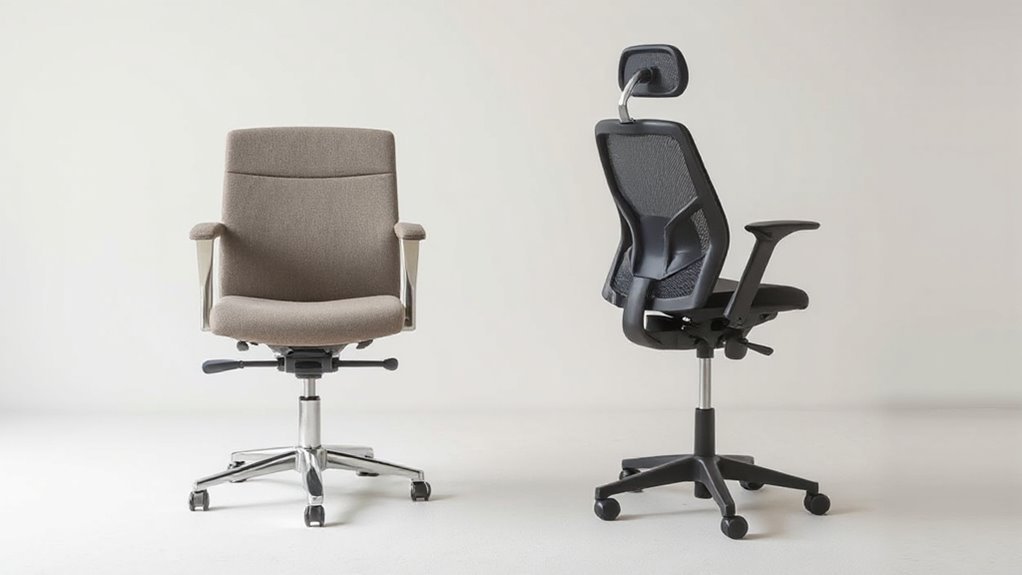
Choosing an ergonomic chair can greatly enhance your overall well-being while working. Ergonomic chairs provide built-in lumbar support, ensuring proper spinal alignment and reducing strain on your vertebral discs.
Unlike standard chairs, they feature adjustable height and backrests, which alleviate pressure on inter-vertebral discs. Improved posture from ergonomic designs minimizes slouching, leading to deeper, relaxed breathing.
Additionally, these chairs considerably reduce back pain, with studies showing a 54% decrease compared to traditional seating. They promote ideal blood circulation through adjustable seat height and angles, preventing numbness and discomfort during extended use.
Target Users
Understanding the target users for office and ergonomic chairs is essential for selecting the right seating solution.
General office workers, typically working 8-10 hours daily, need comfort and productivity. Ergonomic chairs benefit individuals with back pain or chronic conditions, often recommended by healthcare professionals.
Petite users require adjustable seat depth and height for proper fit, ensuring lumbar support aligns with their lower spine.
Big and tall individuals need wider seats and reinforced frames for additional support, accommodating heights over 6’0″.
Short-term users often sit for 1-3 hours and prefer budget-friendly options, commonly found in shared office spaces.
Each user group has distinct requirements, guiding you to make an informed chair choice.
Cost and Design
When comparing office chairs and ergonomic chairs, cost and design play essential roles in your decision-making process.
Ergonomic chairs typically range from $200 to over $800, with premium models exceeding $1,000. In contrast, traditional office chairs can cost between $50 and $150.
Ergonomic designs feature adjustable seat depth, dynamic lumbar support, and customizable armrests, enhancing comfort and airflow with breathable materials. Traditional chairs often have fixed adjustments, focusing solely on basic height and tilt.
Invest in an ergonomic chair for long-term durability; they can last over ten years with proper maintenance. Traditional chairs may require replacement every 2 to 5 years.
Importance of Posture
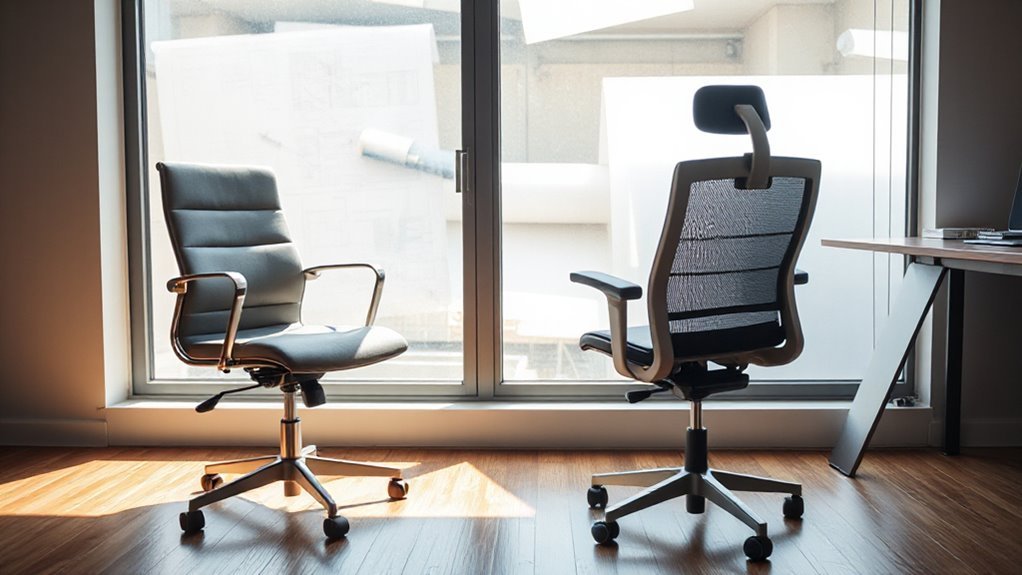
Maintaining proper posture is essential for overall health and productivity in the workplace. Ergonomic chairs support the natural S-curve of your spine, promoting ideal alignment from your neck to lower back. This design reduces pressure on spinal discs, minimizing the risk of musculoskeletal disorders.
When your chair matches your body’s dimensions, it encourages correct sitting posture, helping prevent back, neck, and shoulder pain. Poor posture from non-ergonomic chairs can lead to increased trunk and neck flexion, raising the likelihood of chronic pain.
Long-Term Investment
Investing in ergonomic chairs provides significant long-term benefits that extend beyond initial costs. These chairs reduce musculoskeletal pain and fatigue, promoting better employee health. Proper lumbar support and adjustability prevent chronic back pain and repetitive strain injuries.
Ergonomic features enhance circulation, minimizing risks associated with prolonged sitting. Healthier employees lead to fewer work-related injuries and lower worker’s compensation claims, ultimately reducing organizational costs.
Additionally, ergonomic chairs improve productivity, with studies showing nearly 18% increases in performance. They reduce distractions, helping maintain focus during work periods.
Although the upfront cost is higher, the durability of ergonomic chairs leads to fewer replacements, ensuring long-term savings. Overall, these factors contribute to a favorable return on investment, making ergonomic seating a practical choice.
Frequently Asked Questions
Can Ergonomic Chairs Improve Productivity in the Workplace?
Yes, ergonomic chairs can greatly improve productivity in the workplace. They offer adjustable features like seat height, lumbar support, and back angle, allowing you to customize your seating for ideal comfort.
This reduces discomfort, minimizes distractions, and enhances focus. Studies show that using ergonomic chairs can lead to a 15-20% productivity increase.
In addition, proper posture support decreases the risk of musculoskeletal disorders, contributing to overall work performance and job satisfaction.
How Do I Choose the Right Ergonomic Chair for My Needs?
To choose the right ergonomic chair for your needs, assess adjustability features, like seat height ranging from 16″-21″, backrest tilt options, and lumbar support adjustments.
Guarantee the seat width accommodates your body, ideally 20 inches or more.
Check for a five-spoke base for stability, appropriate casters for your floor type, and seat pan depth that avoids knee contact.
Finally, prioritize comfortable, high-density foam cushioning to enhance pressure distribution during extended use.
Are There Specific Brands Known for Quality Ergonomic Chairs?
Yes, several brands are known for quality ergonomic chairs.
Herman Miller offers models like the Aeron, featuring advanced lumbar support and breathable mesh.
Steelcase’s Leap chair incorporates LiveBack technology for dynamic support.
Haworth’s Soji includes adjustable 4D armrests.
Humanscale is recognized for self-adjusting designs that enhance comfort.
Secretlab targets gamers with ergonomic gaming chairs, providing adjustable lumbar support.
Each brand balances features, comfort, and durability to meet diverse user needs.
What Is the Lifespan of an Ergonomic Chair?
Lifespan of an Ergonomic Chair
Ergonomic chairs typically last 7 to 12 years with regular use. Premium models can exceed 12 years, especially with proper care.
Their build quality—using steel or reinforced plastic—ensures durability. Frequent and intense use may shorten lifespan, while user weight and movement patterns affect wear.
Regular maintenance, like cleaning and lubrication, can extend functional life, making these chairs a long-term investment in comfort and support.
Can I Use an Ergonomic Chair for Gaming?
Yes, you can use an ergonomic chair for gaming.
Ergonomic chairs offer adjustable features like seat height, armrests, and backrest angles, allowing you to customize your setup for comfort. They prioritize lumbar support, which helps maintain proper posture during long gaming sessions.
Many ergonomic models also include breathable materials to reduce heat buildup, and a smoother recline mechanism, enhancing your overall gaming experience.
These features make ergonomic chairs suitable for extended periods of gameplay.
Conclusion
In summary, while standard office chairs may seem adequate, they often lack vital ergonomic features.
Ergonomic chairs provide essential support, promoting better posture and reducing discomfort.
You might think the price difference isn’t justifiable, but consider the long-term health benefits. Investing in an ergonomic chair can lead to fewer health issues and increased productivity, ultimately saving you money on medical costs.
Prioritize your comfort and well-being—an ergonomic chair is a smart choice for a healthier workspace.