Do You Need an Anti-Fatigue Mat on Carpet?
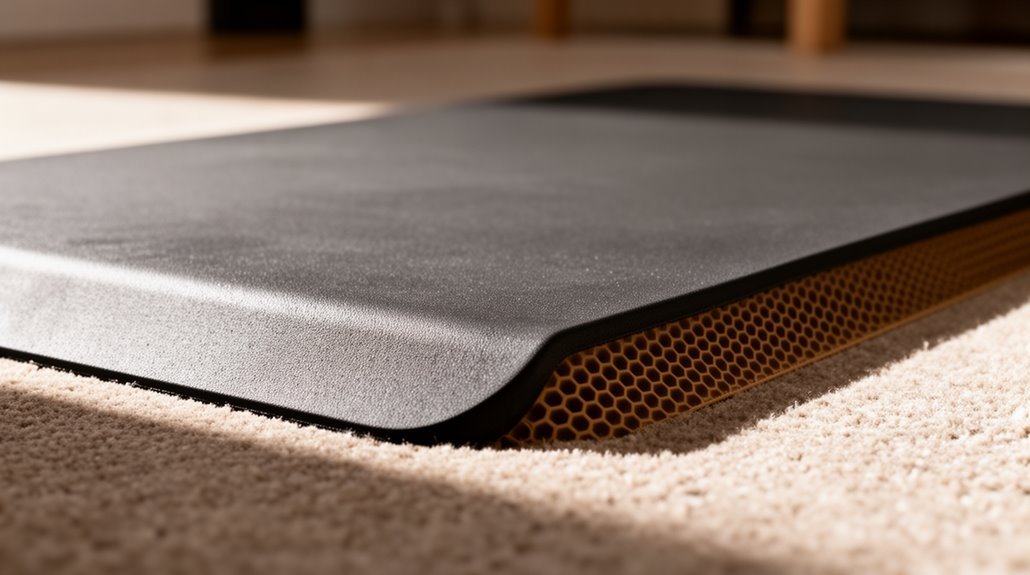
Do you need an anti-fatigue mat on carpet? Yes — if you stand for long periods, an anti-fatigue mat on carpet can help. These mats promote micro-movements in your legs, increasing blood flow and reducing foot fatigue for greater comfort. Considering best practices for antifatigue mats, it’s essential to choose the right thickness and material to maximize their benefits. Look for mats with cushioning and support that suit your specific needs, whether you’re in a kitchen, workshop, or office environment. Proper placement and maintenance of these mats can further enhance their effectiveness in alleviating discomfort during long-standing periods.
Keep in mind that very thick carpets may reduce a mat’s effectiveness. Low-pile carpets work best, allowing the mat to provide better support and cushioning.
Also practice proper maintenance to avoid slipping hazards and ensure the mat stays in place. Optimizing your workplace setup with the right mat and carpet combination can improve comfort and productivity.
Understanding Anti-Fatigue Mats and Their Benefits
Anti-fatigue mats serve as an essential tool for anyone who spends extended periods standing on hard surfaces. These mats reduce physical discomfort by providing cushioning that promotes subtle muscle movements. Such movements enhance blood circulation, decreasing muscle strain. Research shows that anti-fatigue mats greatly alleviate musculoskeletal pain, particularly in the feet, legs, and lower back. Workers using these mats report higher comfort levels and reduced joint pain compared to standing directly on hard flooring. Industries like manufacturing, healthcare, retail, and food service widely implement anti-fatigue mats to enhance employee well-being. Additionally, cushioned flooring materials help decrease musculoskeletal strain and fatigue, leading to improved overall comfort for employees.
The Science Behind Anti-Fatigue Mats
When you stand on a well-designed mat, your body experiences a series of biomechanical advantages that can greatly reduce fatigue. These mats promote subtle body sway, encouraging micro-movements in your calf and leg muscles. This continuous movement stimulates blood flow, preventing pooling in your legs. The ergonomic patterns and cushioning underlays distribute your weight evenly, minimizing pressure points. Consequently, the shock absorption reduces foot fatigue and muscle strain. Research indicates that anti-fatigue mats optimize plantar pressure distribution, which helps maintain better foot posture during prolonged standing. Additionally, studies have shown that using anti-fatigue mats can help prevent serious discomfort and health concerns associated with prolonged standing.
Impact of Carpet Surfaces on Mat Effectiveness
The effectiveness of anti-fatigue mats can be greatly influenced by the type of carpet surface beneath them. Thick, plush carpets provide more cushioning, potentially reducing fatigue on their own. Conversely, low-pile carpets offer minimal support, making anti-fatigue mats more beneficial. Mats may perform less effectively on thick carpets since the existing cushioning diminishes their impact. On thin carpets, you might notice greater comfort from the mat. Textured mats struggle for grip on carpet, leading to less effective performance. Additionally, mats can shift or bunch, creating tripping hazards. Ultimately, while carpets can reduce fatigue, anti-fatigue mats primarily enhance slip resistance and stability on these surfaces rather than notably improving comfort. Anti-fatigue mats help promote better posture and reduce fatigue, making them a valuable addition in many settings. Regular maintenance of both mats and carpets is essential.
Ergonomic Advantages of Using Anti-Fatigue Mats
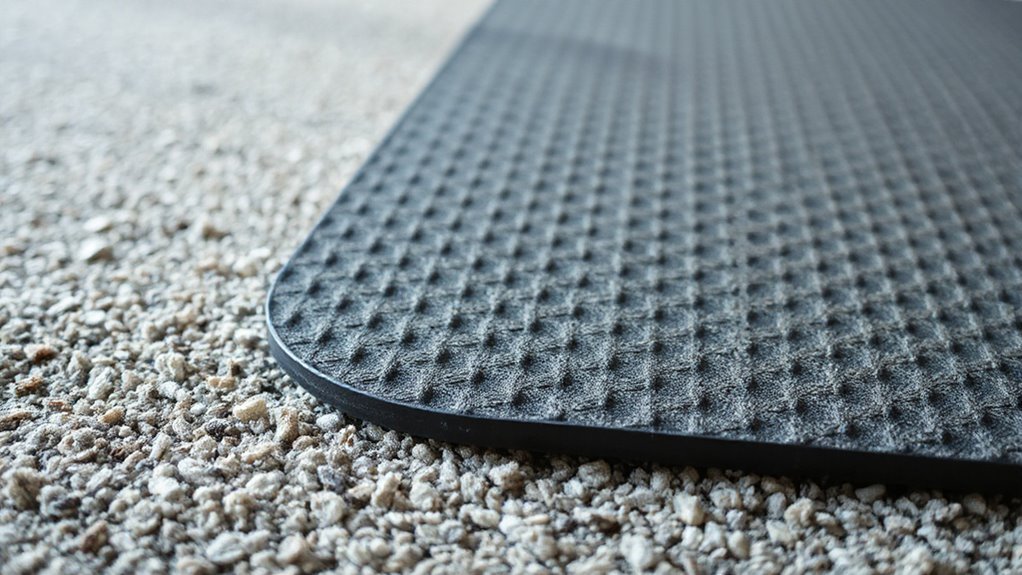
Ergonomic advantages arise considerably from using anti-fatigue mats in various work environments.
These mats enhance comfort and support, contributing to overall well-being during long hours of standing.
- Improved posture support: Mats encourage weight shifts, promoting better spinal alignment and reducing slouching.
- Enhanced blood circulation: Textured surfaces stimulate muscle activity, aiding blood flow to prevent pooling.
- Reduced joint and muscle strain: Cushioned surfaces absorb impact, lowering stress on knees and hips, minimizing fatigue.
Research Findings on Pain and Fatigue Reduction
Research findings highlight the notable impact of anti-fatigue mats on pain and fatigue reduction in various work settings, particularly in healthcare environments.
Studies from Loughborough University and the University of Michigan show that these mats notably decrease lower back and leg pain during prolonged standing.
For example, operating room nurses reported reduced pain intensity in their feet, shifting from moderate to mild. Additionally, surgical teams experienced less pain after procedures when using anti-fatigue mats compared to standard flooring.
The mats promote micro-movements in leg muscles, enhancing circulation, which leads to decreased fatigue.
Statistically significant results indicate that using anti-fatigue mats provides clinically meaningful reductions in pain and fatigue scores among healthcare workers, demonstrating their effectiveness in high-demand roles.
Workplace Productivity Gains With Anti-Fatigue Mats
When you integrate anti-fatigue mats into your workplace, you can expect notable gains in productivity. Independent studies show a 22% productivity increase after mat installation, translating to 45 additional productive days per employee.
Ergonomic improvements can boost productivity by up to 25%, while baseline increases of 2–5% are common across various teams.
Benefits include:
- Reduced absenteeism; one case study showed a 23% drop in absentee rates.
- Enhanced employee circulation, with one study reporting a 50% increase from mat usage.
- Lower discomfort levels, resulting in fewer distractions and improved focus on tasks.
These factors contribute greatly to a more efficient and effective work environment.
Health Benefits and Injury Prevention Strategies
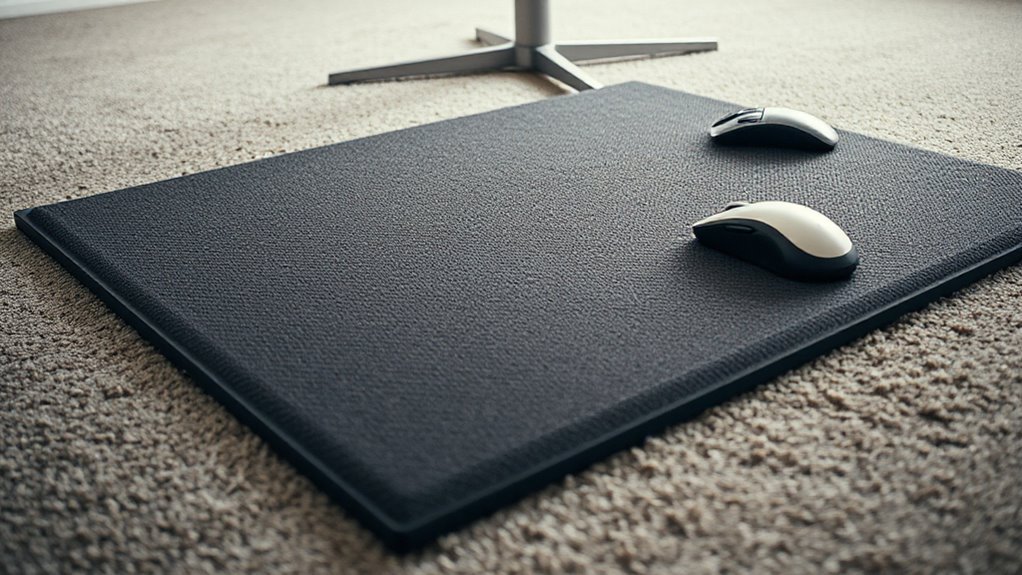
How can anti-fatigue mats improve your health and prevent injuries?
Anti-fatigue mats considerably reduce reported fatigue and discomfort by up to 50%, enhancing overall well-being. They promote subtle muscle movements, improving blood circulation and lowering the risk of blood pooling in your legs.
Regular use of these mats helps prevent musculoskeletal disorders, such as plantar fasciitis and chronic lower back pain, by optimizing pressure distribution and reducing strain on your muscles and joints.
Additionally, mats decrease the likelihood of slips and falls due to their non-slip surfaces. By maintaining healthy circulation, they help prevent swelling and discomfort in the lower limbs, ultimately contributing to long-term health protection and a safer working environment.
Comparing Anti-Fatigue Mats to Hard Flooring
While hard flooring might seem durable and easy to maintain, it lacks the cushioning necessary for comfort during extended standing. Hard surfaces, like concrete or tile, increase pressure on joints and muscles, leading to discomfort and fatigue.
In contrast, anti-fatigue mats provide essential support.
- Anti-fatigue mats absorb shock, promoting comfort on hard floors.
- They encourage micro-movements that stimulate blood flow, reducing fatigue.
- Users experience less pain in feet and legs when utilizing these mats.
Furthermore, anti-fatigue mats help maintain energy and focus, which is vital in environments requiring prolonged standing. The cushioning effect greatly enhances comfort, making them a preferred choice over bare hard floors.
Setting Realistic Expectations for Mat Implementation
Implementing anti-fatigue mats in a workplace requires careful consideration of various factors to maximize their benefits. when exploring safe antifatigue mat usage tips, it is essential to assess the specific needs of employees and the type of work being performed. Proper placement and maintenance of the mats can significantly enhance comfort and productivity. Additionally, educating staff on the benefits of these mats can help ensure they are utilized effectively.
First, select mats that suit the specific work environment, including carpet type and the tasks employees perform. Not all mats function effectively on carpet; some may lack stability or cushioning, reducing their benefits.
Additionally, gather employee feedback and conduct ergonomic assessments post-installation to evaluate effectiveness. Regular maintenance is essential; most mats last two to three years, depending on material and usage.
Clean mats regularly to avoid slip hazards and replace worn mats promptly. By setting realistic expectations and monitoring outcomes, you can enhance worker comfort, reduce absenteeism, and improve overall productivity in your workplace.
Frequently Asked Questions
Can Anti-Fatigue Mats Be Used on Any Type of Carpet?
Yes, anti-fatigue mats can be used on various carpet types. They work well on low-pile carpets, providing stability without additional accessories.
For high-pile or plush carpets, using non-skid backing or a rug pad enhances grip and safety. Thick or shag carpets may compress the mat’s cushioning, reducing effectiveness.
Regular checks for movement and maintaining cleanliness beneath the mat are essential for ideal performance and longevity on carpeted surfaces.
How Do I Clean and Maintain My Anti-Fatigue Mat on Carpet?
To clean your anti-fatigue mat, vacuum or sweep it daily to remove debris.
Deep clean weekly with a mild detergent, scrubbing gently with a soft brush. Rinse thoroughly to avoid residue.
Inspect monthly for wear; rotate the mat every three months.
For moisture management, let it dry flat and avoid steam cleaners.
Regularly check the carpet underneath to prevent dirt buildup and guarantee both surfaces remain in good condition.
Are There Specific Carpet Types That Enhance Mat Effectiveness?
Low-pile carpets provide stability, reducing mat compression.
Tightly woven, closed-loop carpets enhance durability, better supporting mats over time.
High-density fibers increase resilience, improving mat stability and cushioning.
Carpets with firm, dense padding support mat performance, preventing excessive compression.
Avoid plush pile carpets, as they absorb moisture and compress too easily.
Finally, commercial-grade carpets maintain integrity, ensuring mats function effectively in high-traffic areas, promoting long-term ergonomic benefits.
What Thickness Is Recommended for Mats Used on Carpet Surfaces?
For carpet surfaces, a thickness of ¾ inch is often recommended. Mats between ½ inch and 1 inch provide adequate support and comfort.
Thinner mats (under ½ inch) lack cushioning, while overly thick mats (over 1 inch) may feel unstable. Ideally, choose a mat that balances comfort and stability, ensuring that it doesn’t compromise safety.
Materials like rubber or foam enhance elasticity and shock absorption for superior performance on carpeted floors.
Will an Anti-Fatigue Mat Damage My Carpet Over Time?
Yes, an anti-fatigue mat can damage your carpet over time if not chosen or maintained properly.
Low-quality mats may trap moisture, leading to mold. Mats with rough undersides can scratch fibers. Heavy mats may compress carpet unevenly, causing indentations.
To prevent damage, select mats designed for carpets, clean them regularly, and lift them periodically. Always inspect for wear to guarantee your carpet remains in good condition while using an anti-fatigue mat.
Conclusion
While anti-fatigue mats are most effective on hard surfaces, their benefits on carpet can vary. Carpets may absorb some of the mat’s cushioning, which can reduce the intended support.
Even so, using an anti-fatigue mat on carpet can still improve comfort and encourage better posture. Studies indicate these mats may lower fatigue and pain, which can boost workplace productivity.
Ultimately, the right choice depends on the specific carpet, the mat’s design, and individual needs. It’s worth testing different mat-and-carpet combinations to find the best result.