Under-Desk Treadmill Benefits and Tips
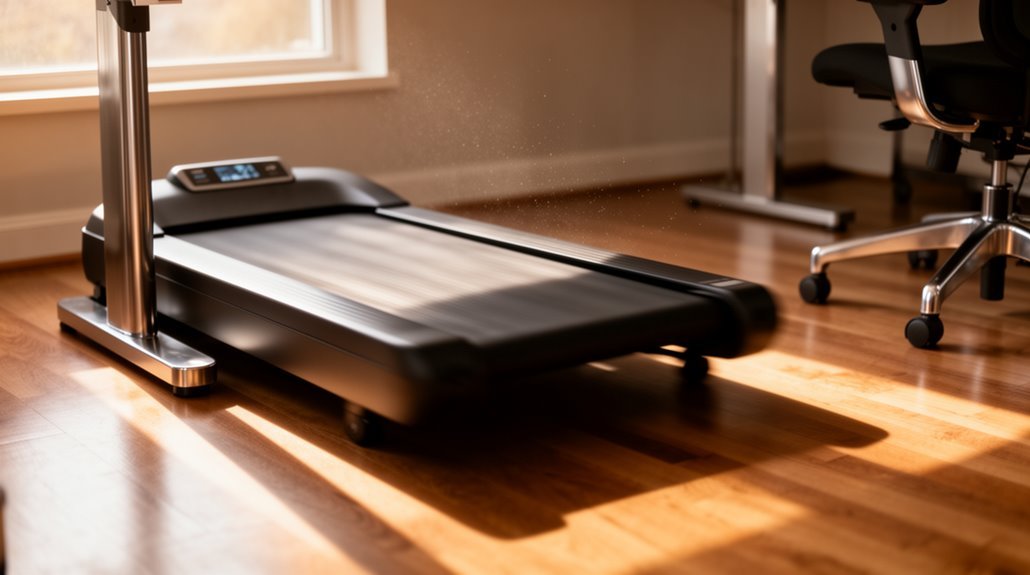
Under-desk treadmills boost your daily steps by about 2,000 and can burn roughly an extra 100 calories each day. They raise overall energy expenditure by approximately 18–20% compared with sitting, which supports better metabolic health.
Using an under-desk treadmill also helps cognitive function: walking can maintain concentration and reduce stress, making it easier to stay focused during work sessions.
For best results, begin with a comfortable walking pace of 2.0 mph for 10–15 minutes per session. Position your screen at eye level to minimize neck and eye strain.
Experiment with short, frequent walking intervals and adjust speed and session length gradually to integrate these devices effectively into your workspace.
Health Benefits of Under-Desk Treadmills
When you use an under-desk treadmill, you can greatly enhance your cardiovascular and physical health. Regular use promotes heart health by improving circulation. Studies show participants using treadmill desks walked an average of 2,000 more steps daily, equating to about two extra miles. This activity increases energy expenditure, burning around 100 additional calories per day. Compared to standing desks, treadmill desks yield greater physiological benefits, including weight loss and reduced body fat. Furthermore, integrating daily movement helps control weight gain and may prevent obesity, a major risk factor for chronic diseases linked to sedentary behavior. Using an under-desk treadmill can therefore considerably contribute to overall health improvements. Additionally, active workstations support a harmonious coexistence of fitness and productivity, making it easier to stay engaged in work tasks while staying active.
Cognitive and Work Performance Effects
Utilizing an under-desk treadmill can greatly influence cognitive function and overall work performance. Research shows that active workstations enhance reasoning scores compared to sitting. Active workstations aim to reduce sedentary time during work hours, potentially improving overall health and cognitive performance.
Cognitive control functions, like response inhibition, remain stable during slow treadmill walking. Neurocognitive tests indicate improvements in reasoning, short-term memory, and concentration while using these desks.
While typing speed may decrease during treadmill use, accuracy generally remains stable. Light walking can reduce anxiety and improve focus, particularly benefiting individuals with ADHD.
Treadmill desks can increase task satisfaction and lessen perceived stress. Importantly, combining cognitive tasks with treadmill walking leads to better cognitive scores and faster reaction times.
Physical Activity and Energy Expenditure
Using an under-desk treadmill considerably increases energy expenditure compared to traditional sitting. When you walk at approximately 1.1 mph, you burn around 191 kcal/h, which is about 119 kcal/h more than when sitting. This represents an 18–20% increase in energy expenditure, elevating your metabolic rate during work.
Additionally, using a treadmill desk can add around 2,000 steps to your daily activity, translating to an extra 100 kcal burned. Compared to other active workstations, treadmill desks yield greater energy expenditure, supporting beneficial changes in physical activity. Replacing 2–3 hours of sitting with walking could lead to significant long-term health benefits, including weight loss.
Even with modest increases in heart rate, the overall caloric burn contributes positively to your metabolic health, promoting a more active lifestyle while working.
Mental and Emotional Benefits
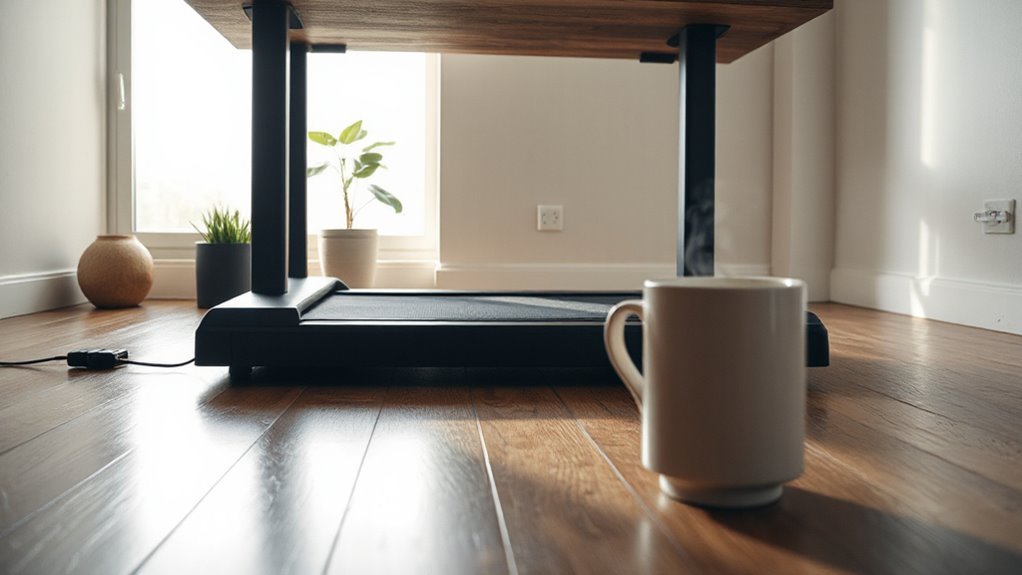
Incorporating an under-desk treadmill into your workspace can lead to significant mental and emotional benefits. Enhanced cognitive function occurs as increased blood flow and oxygen reach the brain, improving your focus and concentration. Users demonstrate better reasoning and short-term memory, leading to improved decision-making.
Stress reduction is another advantage; walking helps lower blood pressure and releases endorphins, which elevate mood. You may feel less anxious and more emotionally balanced while using a treadmill desk.
Additionally, improved mood and motivation are noticeable. Users report higher energy levels and a greater sense of accomplishment.
This combination fosters creativity and productivity, as movement stimulates mental alertness, enhancing task satisfaction and engagement throughout the workday.
Practical Usage Tips
To guarantee a successful experience with your under-desk treadmill, proper setup and workspace configuration are essential.
Make certain you have at least 40 inches of space behind the treadmill for safety clearance and a minimum of 20 inches on each side for comfortable operation.
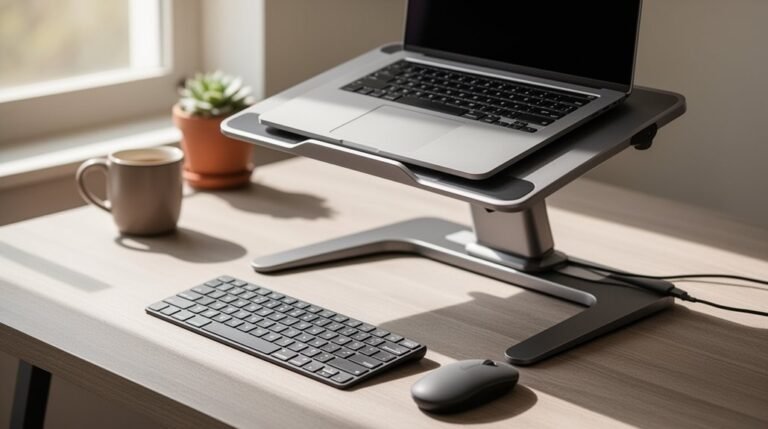
Position your computer screen at eye level to prevent neck strain. A standing desk or desk topper is necessary to elevate your work surface.
Start with walking at 2.0 mph for 10-15 minutes, gradually increasing duration over one to two weeks.
Focus on tasks like answering emails or attending webinars while walking. Avoid complex typing tasks, as they can lead to errors.
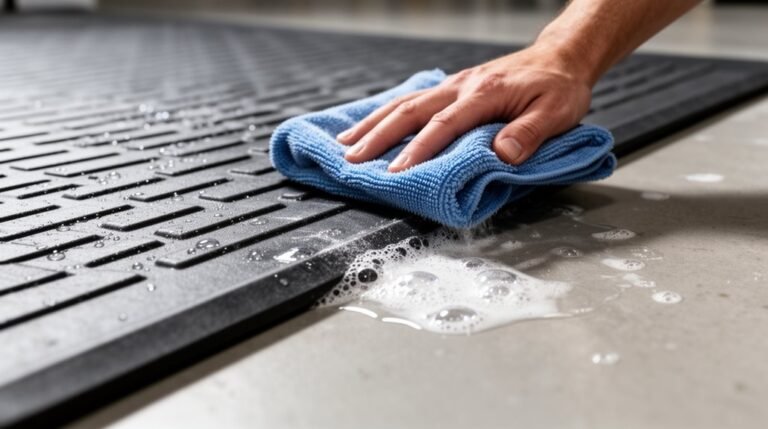
Finally, consider placing a mat underneath the unit to minimize noise in shared spaces.
Barriers and Considerations for Adoption
While many individuals may find the idea of an under-desk treadmill appealing, several barriers can complicate its adoption in both personal and workplace settings.
First, the type of work you do can limit suitability, especially for tasks that require precision or frequent typing. Physical limitations, such as back pain, may also discourage regular use.
Additionally, cost and space constraints can hinder implementation in some workplaces. Social concerns, like negative comments from coworkers, may deter you, as might mental barriers related to change or fears about productivity.
Ultimately, noise from the treadmill can disrupt communication in shared spaces, while interruptions throughout the day make maintaining a walking routine challenging.
These factors collectively impact the feasibility of adopting an under-desk treadmill.
Enhancing Workplace Ergonomics
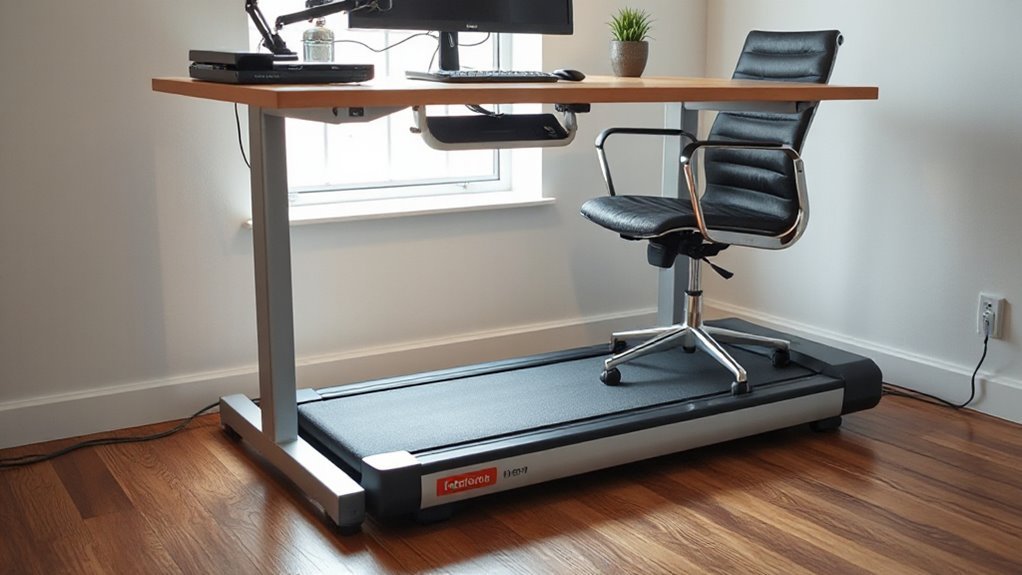
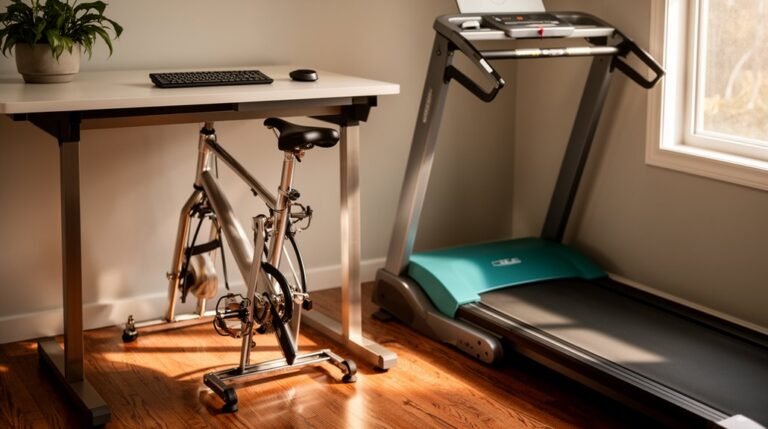
When you integrate an under-desk treadmill into your workspace, you greatly enhance your ergonomic setup. These treadmills fit beneath standard desks, allowing for seamless use.
Adjustable speed settings let you choose a comfortable walking pace, promoting better posture. Position the treadmill so your feet rest flat, reducing strain on your lower back. Confirm your desk height keeps your arms at a 90-degree angle when typing, minimizing wrist discomfort.
Incorporating height-adjustable desks allows easy shifts between sitting, standing, and walking. Utilize monitor arms and ergonomic keyboards to maintain comfort during movement.
Start with short walking sessions and gradually increase duration, aiming for 1–2 mph to stay focused. Regularly check your posture and adjust settings to enhance comfort and productivity.
Success Stories From Treadmill Desk Users
How have users benefited from integrating under-desk treadmills into their work routines? Many have reported considerable improvements in various aspects of their lives.
Here are four key success stories:
- Weight Management: Users lost an average of 12 pounds over months without major diet changes, aided by consistent low-impact walking.
- Energy and Mental Well-Being: Increased energy levels and improved moods were common, especially during afternoon slumps, enhancing overall motivation.
- Productivity and Focus: After an initial slight dip, productivity often improved due to increased alertness, allowing for better focus on tasks.
- Physical Health: Many experienced reduced backaches and improved cardiovascular health, walking up to five miles daily, which considerably increased their step count.
These benefits illustrate how treadmill desks can transform work routines effectively.
Frequently Asked Questions
Can I Use an Under-Desk Treadmill With a Traditional Office Chair?
You can’t use a traditional office chair directly on an under-desk treadmill. These chairs often have wheels that create instability on the moving belt, increasing the risk of falls.
Instead, position your office chair beside the treadmill if space allows. It’s best to use specialized treadmill chairs or stools with stable bases, as they prevent damage to the treadmill and guarantee your safety while working.
Aim for a desk width of at least 72 inches.
What Is the Average Cost of an Under-Desk Treadmill?
The average cost of an under-desk treadmill varies greatly. Entry-level models start around $170 to $200, while mid-range options typically fall between $300 to $500.
Premium models can range from $800 to $2,199, featuring advanced technology and superior build quality. For instance, the WalkingPad P1 Classic costs about $499, illustrating the investment needed for better performance.
Consider your budget and desired features when choosing the right model for your needs.
How Much Space Is Needed for an Under-Desk Treadmill?
To accommodate an under-desk treadmill, you’ll need a minimum footprint of around 377 square inches, but compact models can fit in about 257 square inches.
Confirm at least 1.5-2 feet of clearance on the sides and front, with 6 feet at the rear.
For combined setups, a desk should be at least 72 inches wide.
Most under-desk treadmills range from 3 to 20 inches in height, fitting under standard desks effectively.
Are There Specific Brands Recommended for Under-Desk Treadmills?
You should consider brands like WalkingPad, known for its foldable designs and affordability.
LifeSpan offers quiet operation and durability, featuring Intelli-Step and Intelli-Guard technology.
For budget options, DeerRun provides compact models.
GoPlus includes versatile treadmills with incline settings, while Sunny Health and Fitness specializes in slim, flat designs ideal for small spaces.
Each brand has unique features, ensuring you find a suitable treadmill for your needs.
How Do I Maintain and Care for My Under-Desk Treadmill?
Wipe the belt and surrounding surfaces after each use to remove debris.
Check belt tension daily; it should lift a few inches without slack.
Lubricate the belt every 3-6 months with treadmill-specific lubricant.
Inspect electrical components weekly for damage.
Vacuum the motor monthly to prevent dust buildup.
Store the treadmill covered in a dry area to avoid rust.
Follow manufacturer guidelines for ideal performance and longevity.
Conclusion
Incorporating an under-desk treadmill might seem like a paradox; after all, you’re trying to work while walking. Yet the benefits are clear. By adding an underdesk bike benefits for productivity into your routine, you can stimulate both your mind and body. This can lead to enhanced focus and increased energy levels throughout the day. As a result, not only does your physical health improve, but your work performance can also see significant boosts.
Increased physical activity enhances energy expenditure, boosts cognitive function, and improves emotional well-being.
By adopting this innovative approach, you can seamlessly integrate exercise into your workday. So, if you thought sitting was the only way to be productive, think again.
Embrace the treadmill desk and discover how movement can elevate your performance.