How Ergonomics Affects Productivity
The Impact of Ergonomics on Productivity
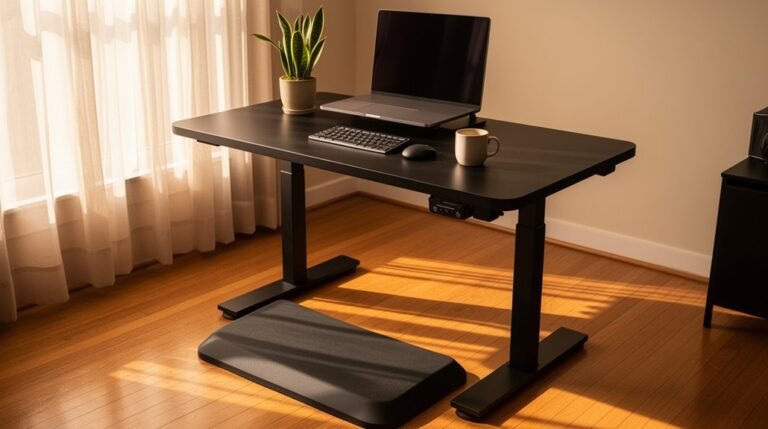
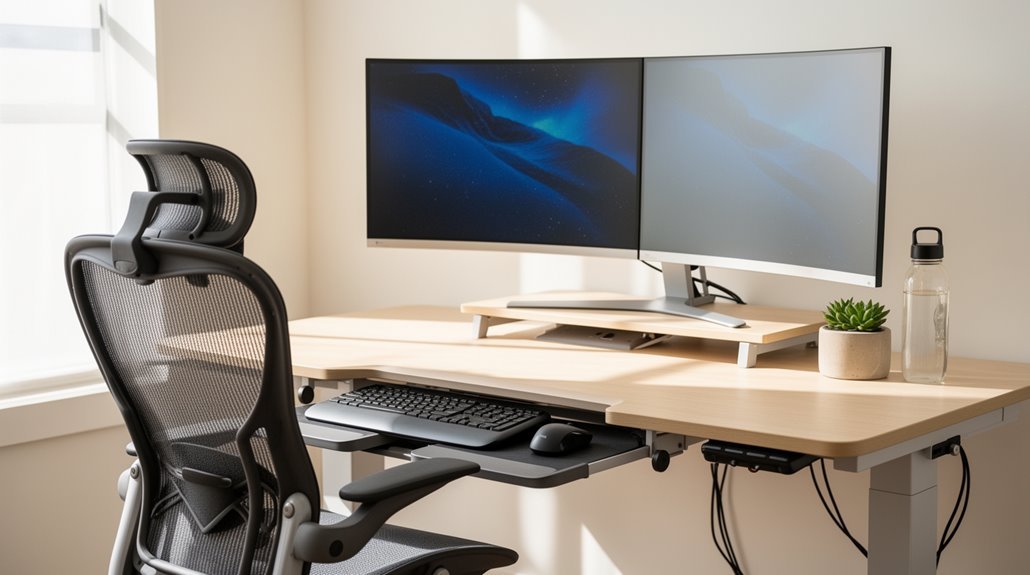
Ergonomics greatly boosts productivity by 25–32% in workplaces. Adjustable workstations and specialized chairs reduce physical strain, allowing you to work more efficiently and comfortably.
Training paired with ergonomic solutions further enhances performance and helps maintain proper posture. Ergonomic setups also cut interruptions, improving focus and workflow consistency.
Proper lighting and noise management sharpen concentration and minimize distractions. Implementing these practices enhances well-being and can prevent repetitive strain injuries, supporting long-term success.
Tailor ergonomic solutions to meet diverse needs for maximum benefit and sustained productivity gains.
The Impact of Ergonomic Interventions on Productivity
When organizations implement ergonomic interventions, they often see significant improvements in productivity. Research shows that adjustable workstations and ergonomic chairs can boost productivity by 25–32% in office environments. These improvements reduce physical strain, enabling employees to work more efficiently and for longer durations. A longitudinal study highlighted that a chair-with-training intervention significantly increased productivity, while training alone had minimal impact. Additionally, training alone showed no significant effect on health or productivity, underlining the importance of combining ergonomic tools with proper guidance. Meta-analyses confirm that sit-stand desks and workstation adjustments lead to measurable gains in efficiency. Older workers particularly benefit from customized workstations, experiencing enhanced productivity.
Enhancing Employee Focus and Concentration
Effective focus and concentration are critical for achieving high productivity in the workplace. Cognitive ergonomics enhances human-system interaction, reducing mental strain and improving focus. Logical layouts in tools and systems, such as medical records, minimize cognitive overload.
Proper workstation placement, away from traffic, decreases interruptions, while noise-canceling features reduce background distractions. Ergonomic design, including aligned chairs and monitors, minimizes unnecessary adjustments, allowing you to concentrate better.
Clean desk policies and personal storage reduce visual clutter, supporting improved attention spans. Quiet zones in open offices facilitate deep work, boosting cognitive performance. Furthermore, cognitive ergonomics aims to align workplace systems with natural mental processes, which fosters an environment conducive to sustained focus.
Finally, proper lighting and ventilation enhance mental clarity, leading to sustained focus. Implementing these ergonomic principles creates an environment conducive to ideal concentration and productivity.
Reducing Physical Strain and Injury Risks
Physical strain and injury risks greatly impact workplace productivity and employee health.
Ergonomic interventions effectively reduce musculoskeletal disorders (MSDs) by minimizing repetitive motions and physical strain. Organizations that implement these interventions report an average 59% decrease in MSD occurrences. Proactive health and safety programs can further enhance this impact by reducing injuries by 15 to 35%.
Since MSDs account for nearly one-third of serious workplace injuries, focusing on ergonomics is essential for injury prevention.
The Role of Ergonomics in Employee Absenteeism
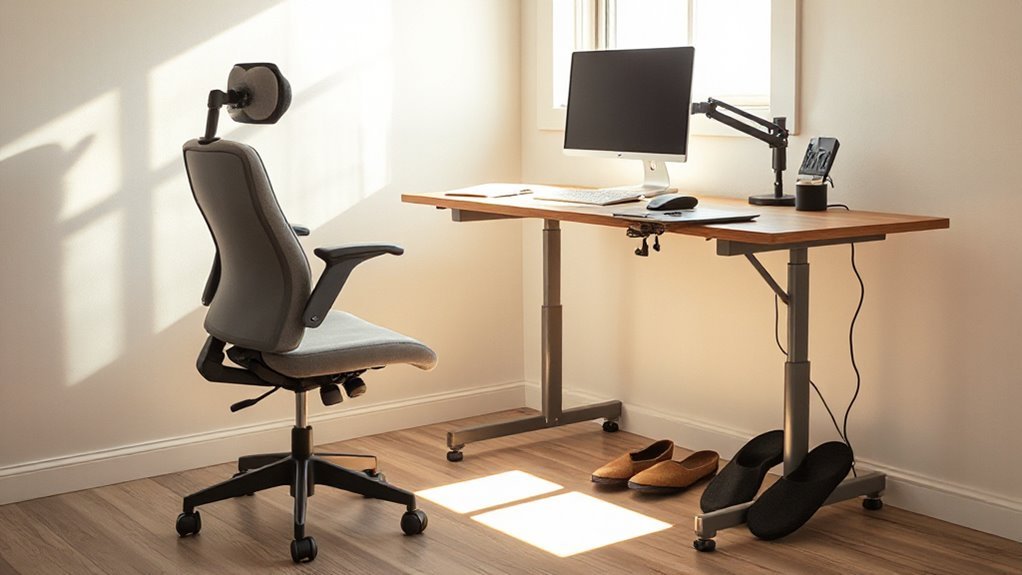
Ergonomics plays an essential role in reducing employee absenteeism by creating work environments that prioritize comfort and health. Ergonomic interventions, like adjustable chairs and proper workstation design, prevent injuries and alleviate discomfort.
Companies with extensive ergonomics programs see a 58% reduction in absenteeism. For instance, a manufacturing firm noted a 30% decrease in absenteeism after implementing ergonomic solutions.
Regular training on posture and ergonomic practices supports these improvements, leading to ongoing benefits. Health assessments and feedback surveys track effectiveness, ensuring the interventions remain relevant.
Boosting Employee Engagement and Morale
A well-designed workspace substantially impacts employee engagement and morale. Ergonomic workplaces prioritize employee health, fostering trust and appreciation among staff.
When you work in an ergonomically optimized environment, you’re likely to experience higher job satisfaction and morale. Physical comfort reduces discomfort and fatigue, allowing you to focus effectively on your tasks.
Companies that emphasize ergonomics often see increased employee loyalty and reduced turnover rates. Furthermore, inclusive ergonomic designs cater to diverse needs, enhancing workplace fairness.
Periodic ergonomic assessments and personalized workstations show a commitment to well-being, making you feel more secure and supported.
Ultimately, a focus on ergonomics contributes to improved mental health and reduces burnout, creating a more positive workplace atmosphere.
Improving Usability and Task Efficiency
An optimized workspace directly enhances usability and boosts task efficiency. Properly designed workstations reduce unnecessary movements by up to 30%, leading to increased task efficiency.
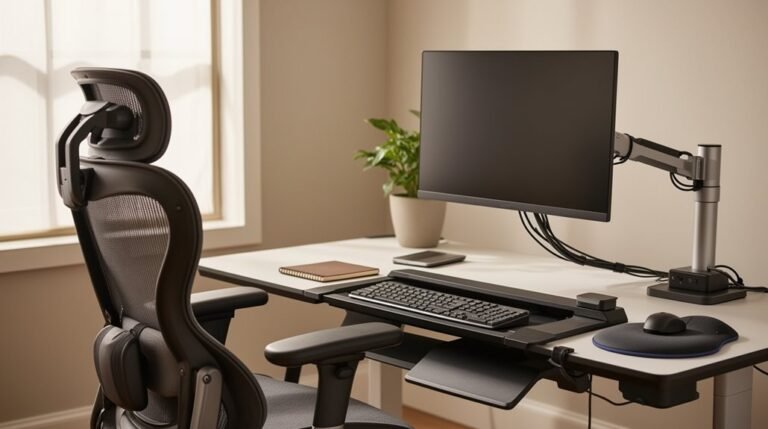
Adjustable desks and chairs allow you to customize your setup, minimizing awkward postures and reducing repetitive strain. Ergonomic layouts can decrease physical exertion, resulting in an 11% productivity boost.
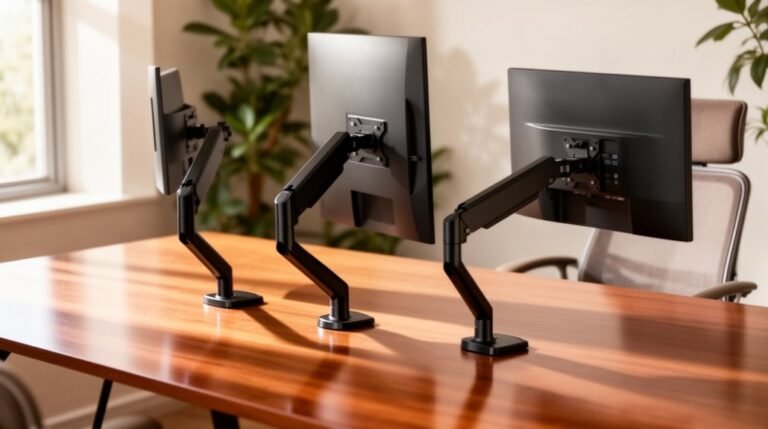
Well-organized spaces cut down on time spent searching for tools by up to 25%. Implementing ergonomic accessories, like keyboard trays and monitor arms, reduces repetitive motions and improves posture.
Specialized tools, such as sit-stand desks, can enhance productivity by up to 25%. Efficient layouts minimize unnecessary walking, saving up to 20% in task completion time and helping you focus better on your work.
Long-Term Benefits of Ergonomic Practices

Long-term benefits of ergonomic practices extend well beyond immediate comfort and efficiency.
By implementing ergonomic interventions, you can greatly reduce musculoskeletal disorders (MSDs) and enhance overall workplace well-being.
- Reduced MSDs: Ergonomic adjustments can decrease the risk of injuries like tendonitis and chronic back pain.
- Lower Absenteeism: Healthy, pain-free employees are less likely to take sick leave, ensuring consistent workforce attendance.
- Increased Productivity: Proper ergonomics can boost productivity by up to 25%, allowing you to focus more effectively on tasks.
These improvements not only address the root causes of discomfort but also foster a healthier, more engaged workforce, leading to lasting positive impacts on both personal and organizational levels.
Creating a Positive Workplace Culture
When organizations prioritize ergonomic design, they not only enhance employee comfort but also cultivate a more positive workplace culture.
Ergonomic environments reduce physical discomfort, which boosts engagement and focus. Employees in these spaces feel valued, supporting a sense of belonging. Comfortable workspaces promote longer attention spans and higher task completion rates.
As physical strain decreases, employees become more willing to participate in team activities. Furthermore, visible and maintained ergonomic improvements further enhance engagement.
Investing in ergonomic initiatives greatly improves overall morale, as employees perceive these upgrades as genuine care for their well-being. This increased morale fosters collaboration, reduces workplace conflict, and ultimately contributes to a resilient culture, reinforcing the importance of ergonomic practices in modern work environments.
Customizing Ergonomic Solutions for Diverse Needs
Customizing ergonomic solutions for diverse needs is essential for creating an inclusive work environment. By utilizing anthropometric data, you can design workspaces that accommodate a wider range of body sizes. This guarantees comfort and accessibility for all employees.
- Adjustable furniture allows customization for different heights and reaches.
- Inclusive layouts consider both static and dynamic needs to reduce exclusion risks.
- Personalized assessments help identify individual discomfort areas for targeted solutions.
These strategies not only enhance comfort but also boost productivity.
Regular feedback and assessments can further refine ergonomic solutions, guaranteeing that your workplace remains adaptive.
Ensuring Organizational Resilience Through Employee Well-Being
Ensuring organizational resilience starts with prioritizing employee well-being, as it directly influences overall performance. Research indicates that 94% of respondents believe well-being drives organizational success.
Implementing workplace resilience and mental health programs can yield a 20-25% return on investment, reinforcing a healthier culture. Companies with higher employee well-being scores report greater valuations and profits, with a single happiness point linked to annual gains of up to $2.29 billion.
A positive culture equips you and your colleagues with essential tools to navigate adversity collectively. Prioritizing wellness reduces voluntary attrition and HR costs while enhancing productivity.
Fostering open communication about mental health further supports these outcomes, creating a resilient and engaged workforce.
Frequently Asked Questions
What Are the Costs Associated With Implementing Ergonomic Interventions?
Implementing ergonomic interventions involves several costs.
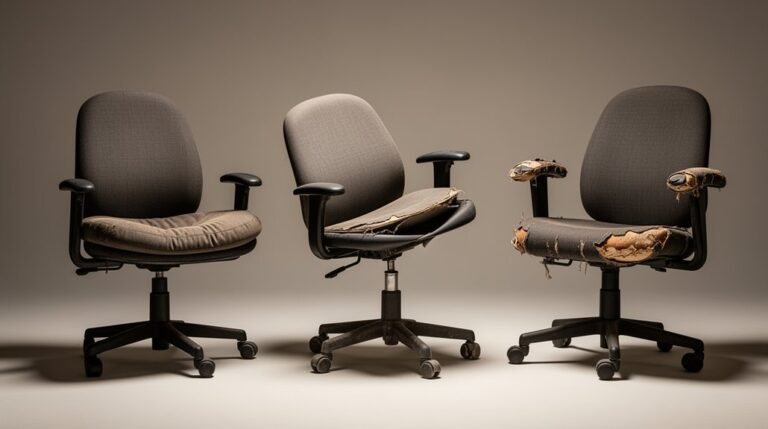
Direct costs include training, equipment, and consultancy fees. For instance, the average office chair costs around $500.
Indirect costs can be significant, covering absenteeism and reduced productivity, often 2-5 times greater than direct costs. For example, indirect injury costs can reach up to 79% of total injury expenses.
Consequently, evaluating both direct and indirect costs is essential for decision-making in ergonomic investments.
How Can Employees Advocate for Ergonomic Improvements in Their Workplace?
Start by collecting data, like the 68% reduction in workers’ compensation costs from ergonomic changes.
Document symptoms and injuries, and share this information with leadership.
Create a proposal that highlights productivity gains, such as the 25% increase post-interventions.
Engage coworkers by forming ergonomic champion networks.
Participate actively in safety committees, and suggest professional assessments from certified ergonomists.
Regularly gather feedback from employees to strengthen your case for ergonomic enhancements.
What Role Does Training Play in Successful Ergonomic Implementation?
Training plays an essential role in ergonomic implementation. It enhances employee awareness about workstation adjustments, resulting in significant decreases in RULA assessment scores.
Effective training programs teach proper monitor height, keyboard positioning, and chair adjustments. Post-training assessments show improved body posture and workstation habits.
Additionally, employee feedback indicates increased comfort. Ultimately, thorough training leads to reduced injury rates and increased productivity, demonstrating its critical impact on workplace ergonomics.
Are There Specific Industries That Benefit More From Ergonomic Practices?
You’ll find that healthcare, manufacturing, and office sectors gain the most from ergonomic practices.
In healthcare, ergonomic solutions reduce musculoskeletal disorders considerably.
Manufacturing benefits through workstation redesign, improving worker safety and reducing injuries.
Office environments see a drop in claims and lost workdays with ergonomic interventions.
Each sector experiences enhanced productivity and operational efficiency, demonstrating that implementing ergonomic strategies effectively addresses the unique challenges they face.
How Do Cultural Attitudes Towards Ergonomics Vary Globally?
Cultural attitudes towards ergonomics vary globally due to differing comfort expectations and workspace designs.
For instance, countries like Japan emphasize minimalism, favoring compact, efficient setups. In contrast, Western cultures often prioritize openness and adjustable furniture.
Local anthropometric standards influence desk heights and chair designs. Additionally, workplace regulations reflect cultural norms, affecting how ergonomics is implemented.
Understanding these variations helps global companies tailor ergonomic solutions to meet the specific needs and preferences of local employees effectively.
Conclusion
Incorporating ergonomic practices isn’t just an added expense; it’s an investment in productivity. Research shows that proper workstation design can reduce injury rates by up to 40%, leading to fewer absentee days.
Enhanced focus, reduced strain, and improved morale contribute to a more engaged workforce. Custom solutions cater to individual needs, ensuring everyone benefits.
In the long run, these ergonomic interventions foster a resilient organization, ultimately driving higher efficiency and success across all departments.